The Mayan end-of-the-earth thing didn’t happen, but the end of the
year is still coming, and now, thanks to an odd discovery, we have a new
way to watch the world change before our eyes. It’s called “Abstract
Season Changes,” and a it’s Tumblr, and it’s amazing.
The Tumblr was created by Elena Radice
— an Italian artist who works in film, sculpture, and print. Sometimes,
in order to unwind, she would visit Google Earth, and look at aerial
photos of places she has never visited.
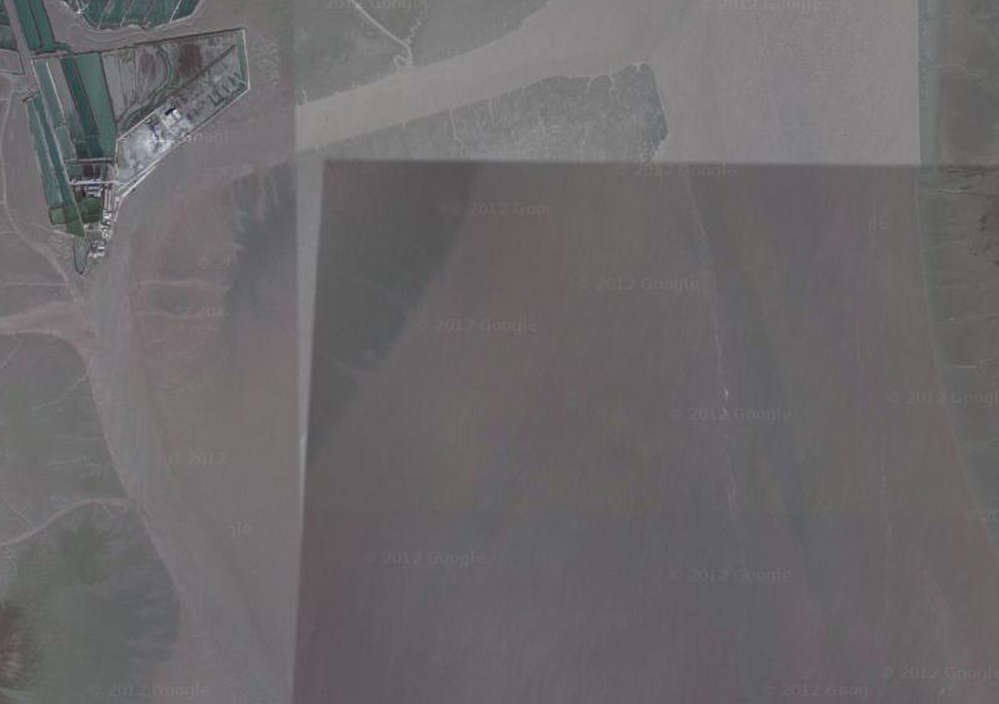
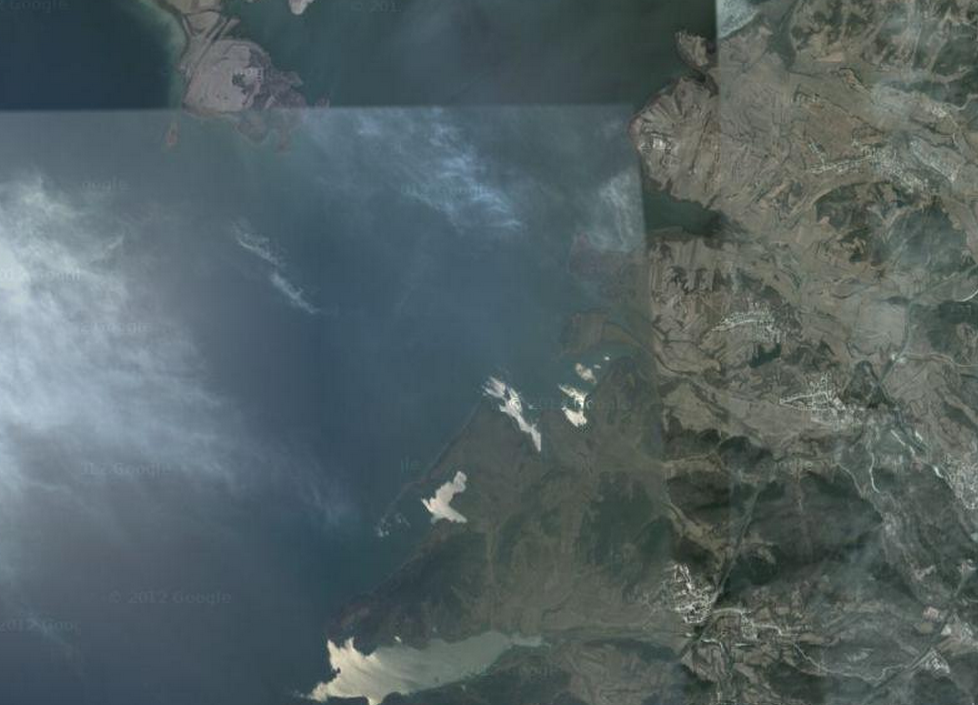
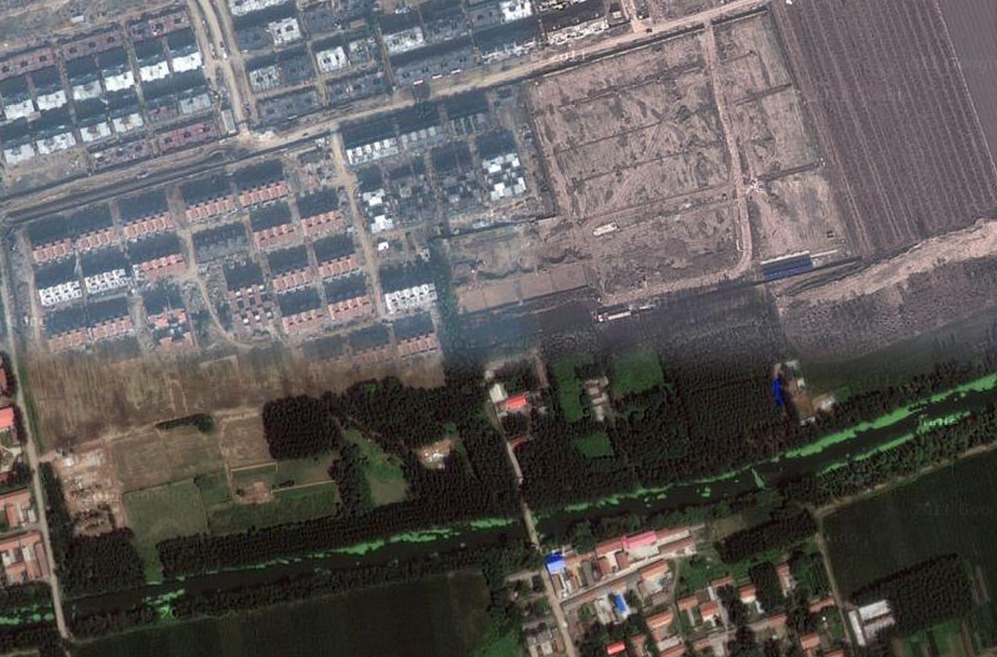
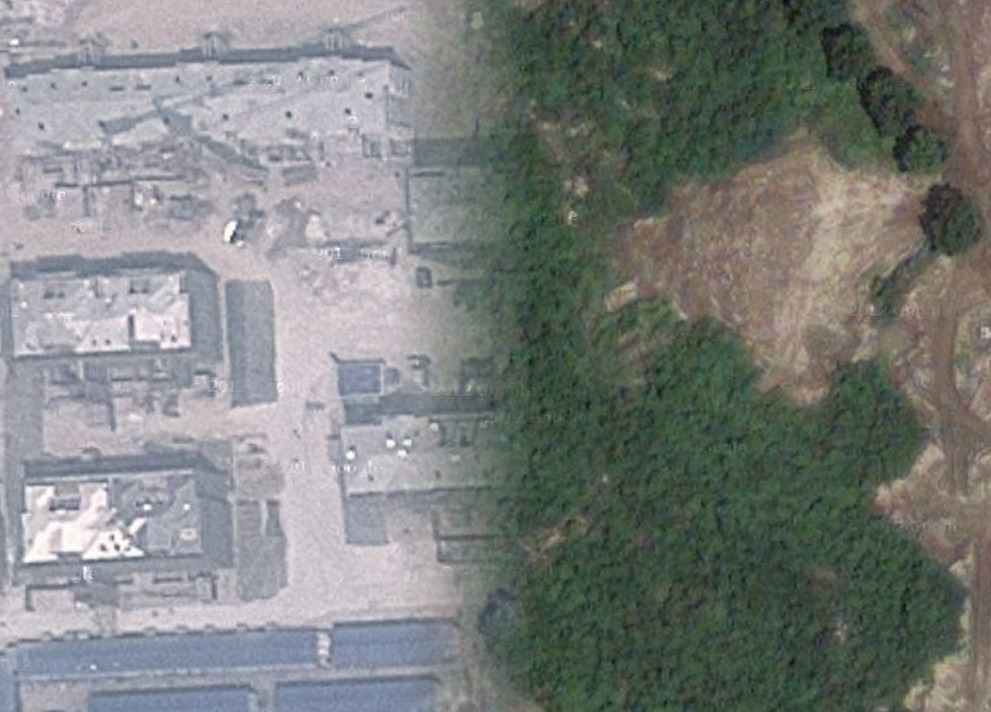
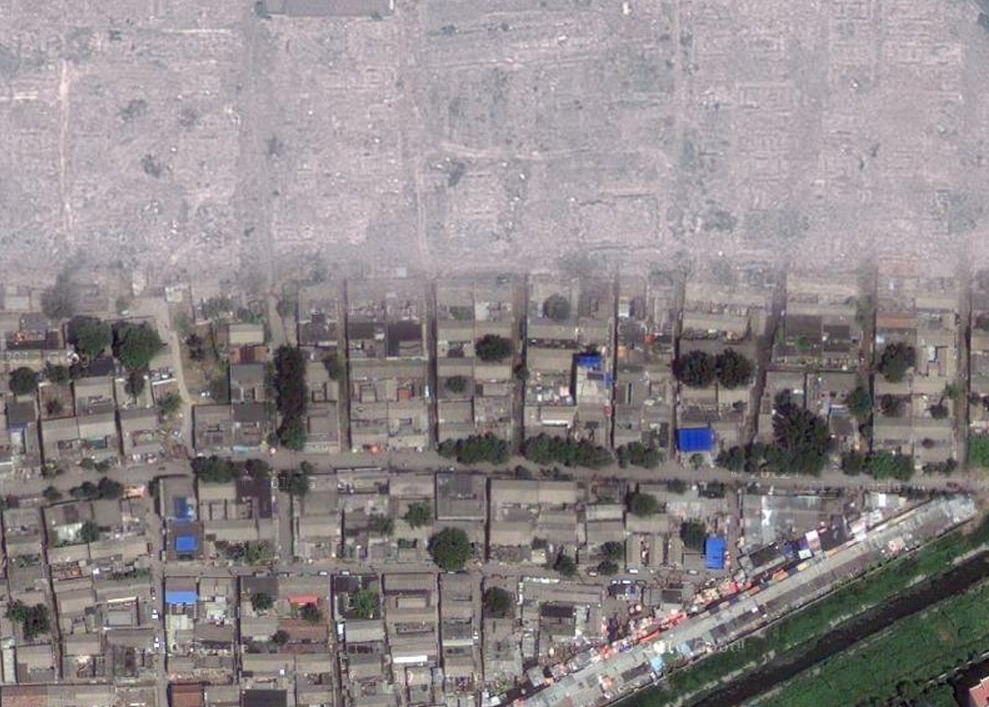
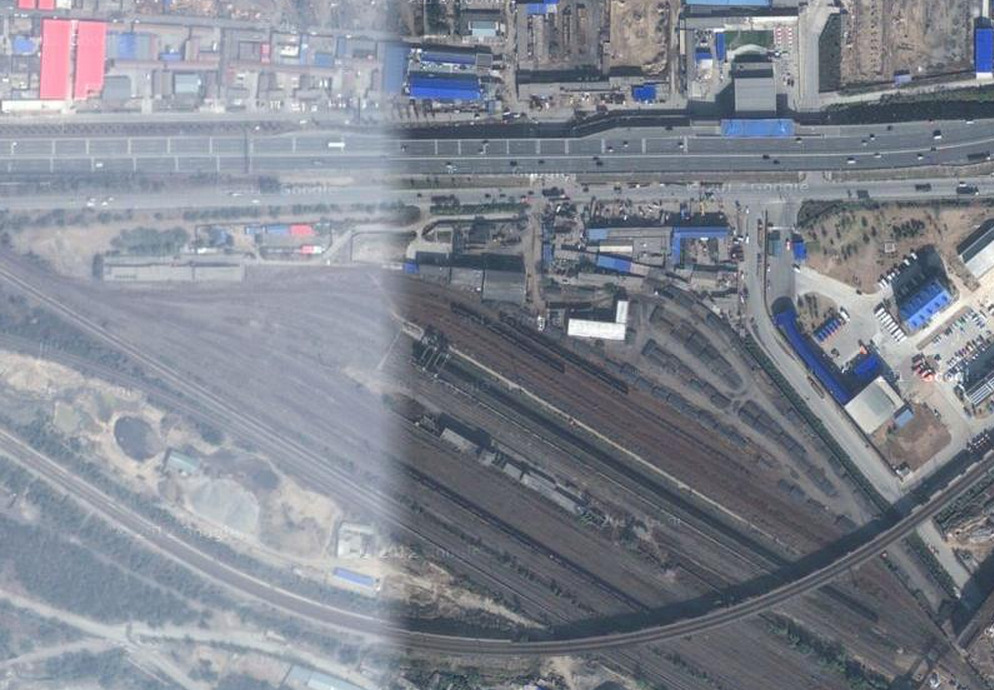
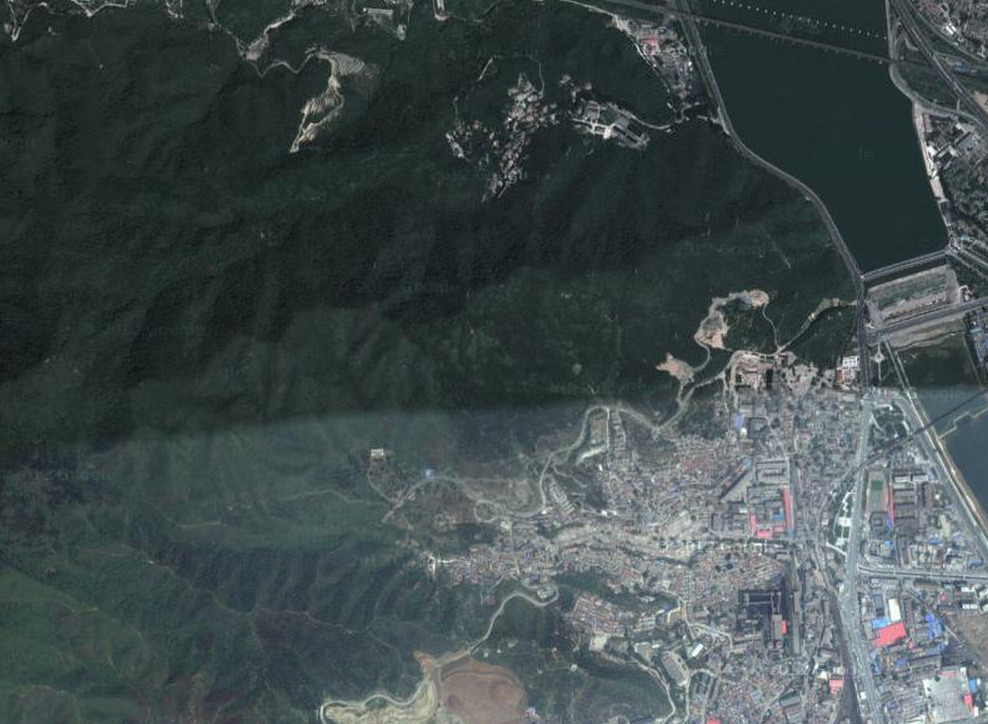
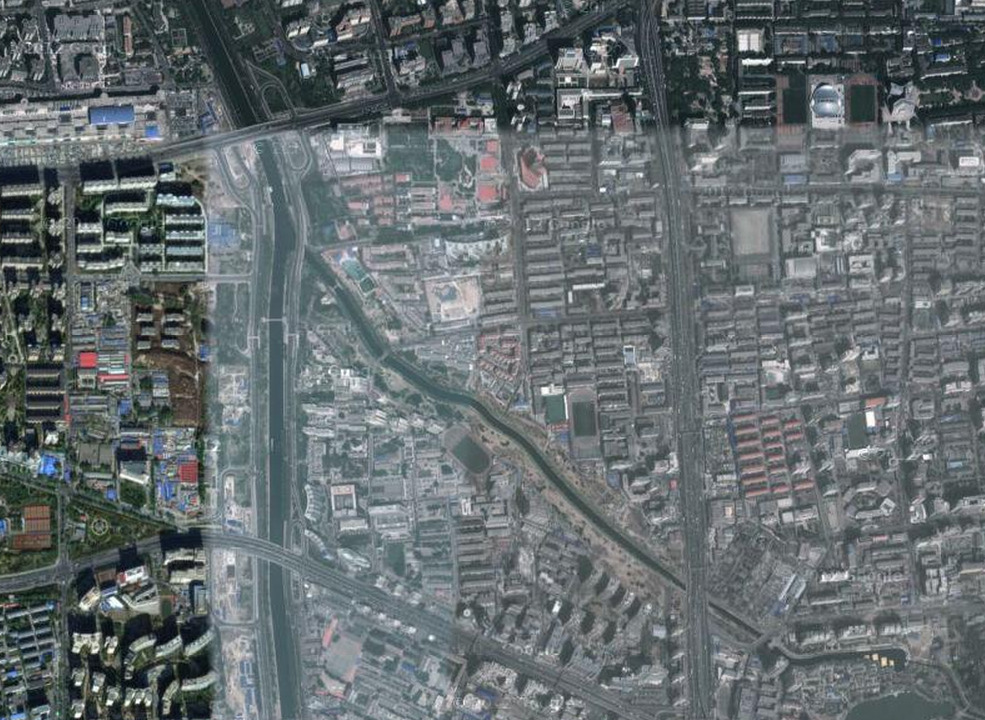
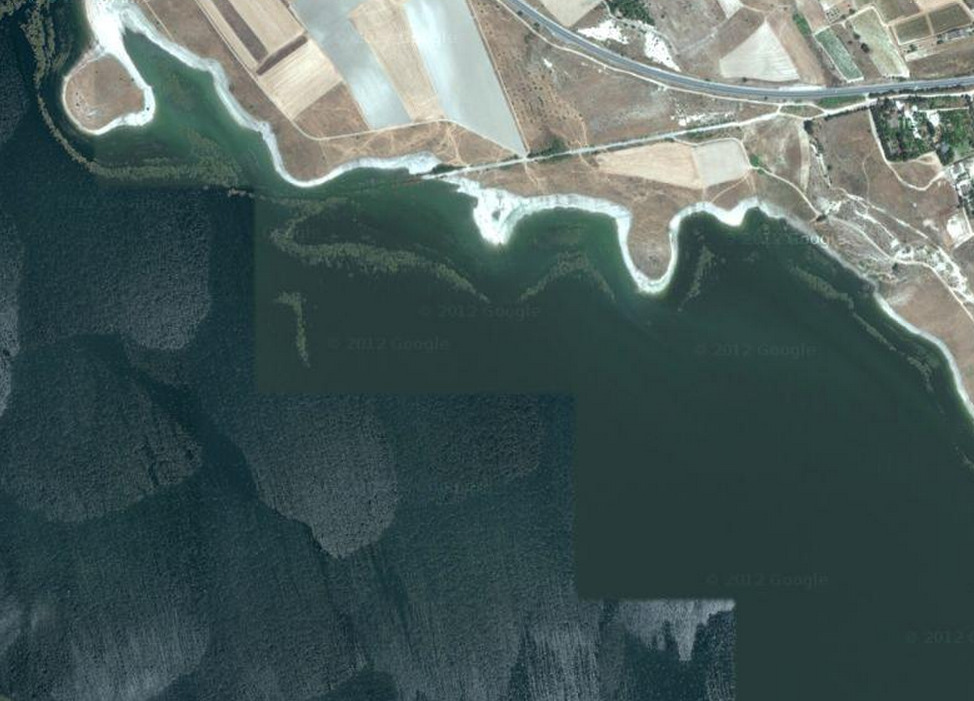
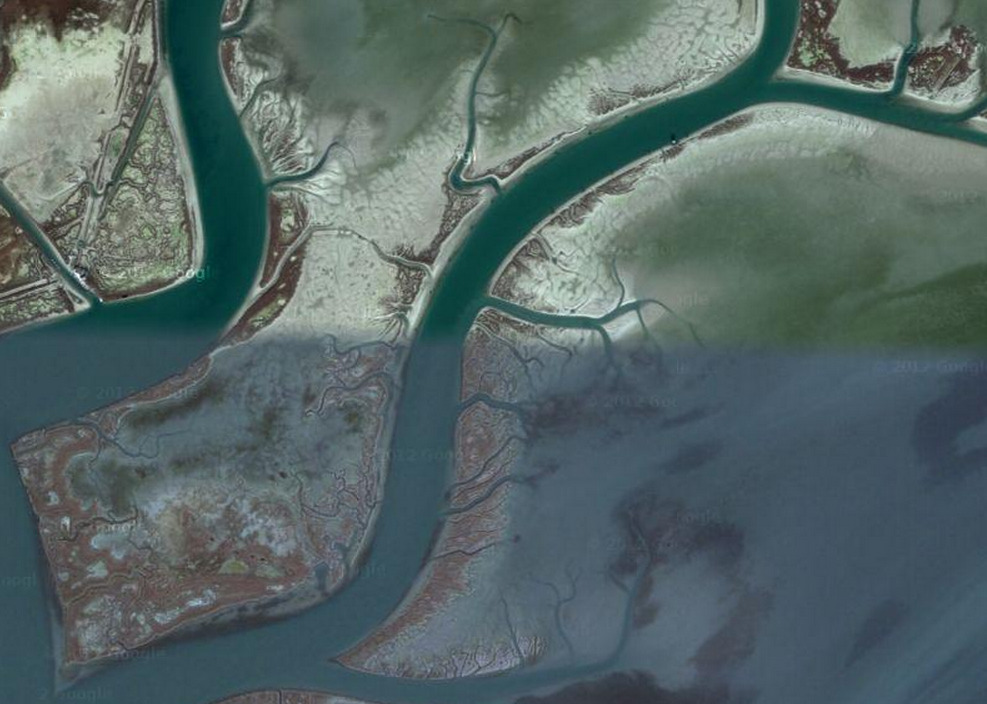
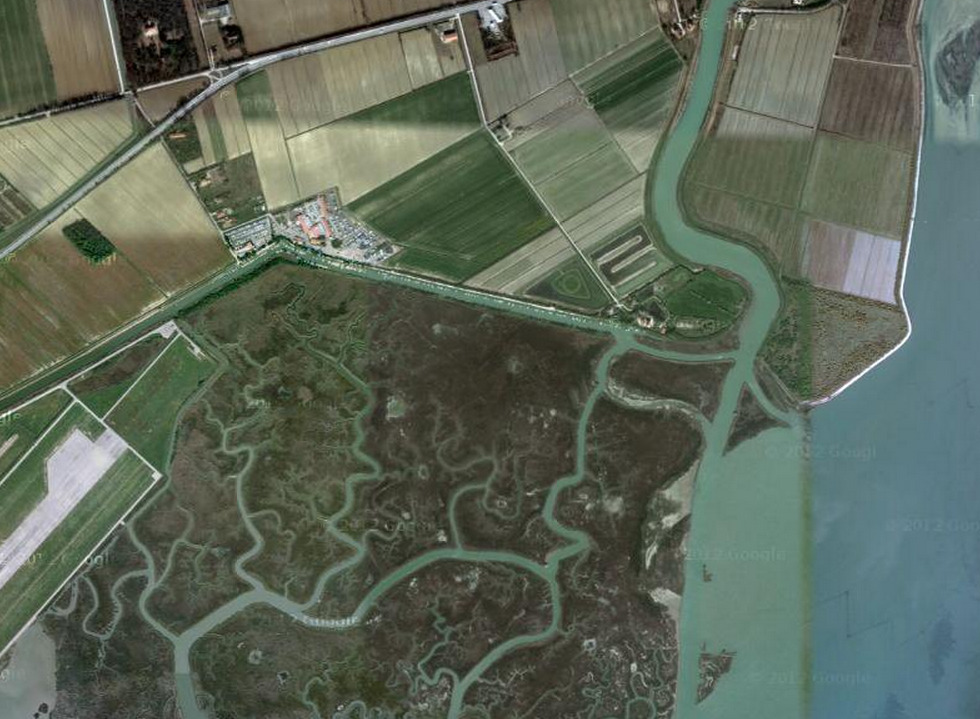
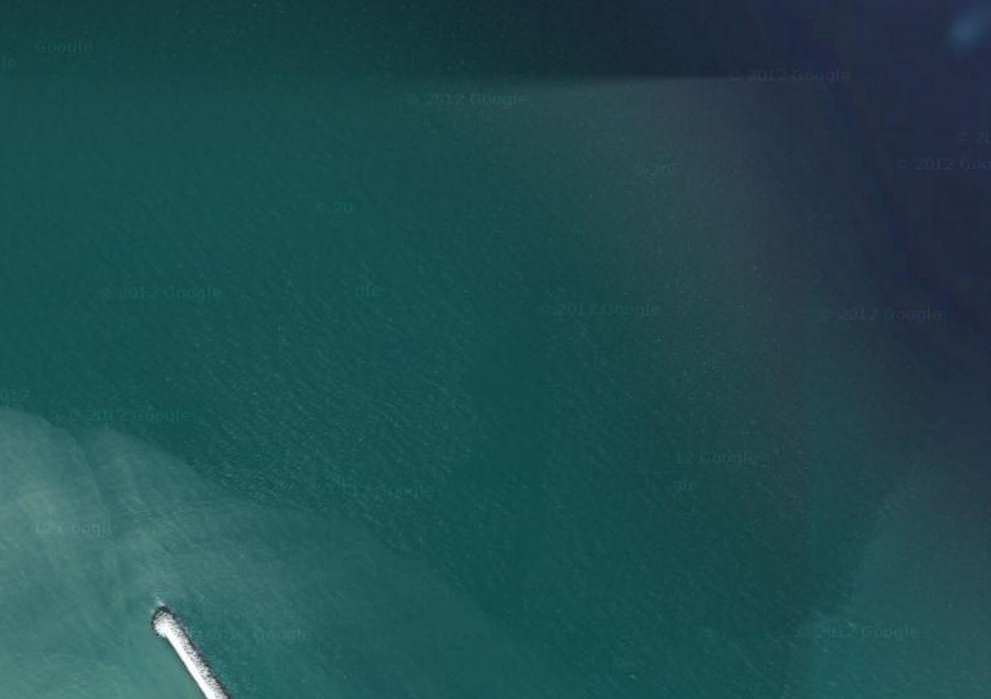
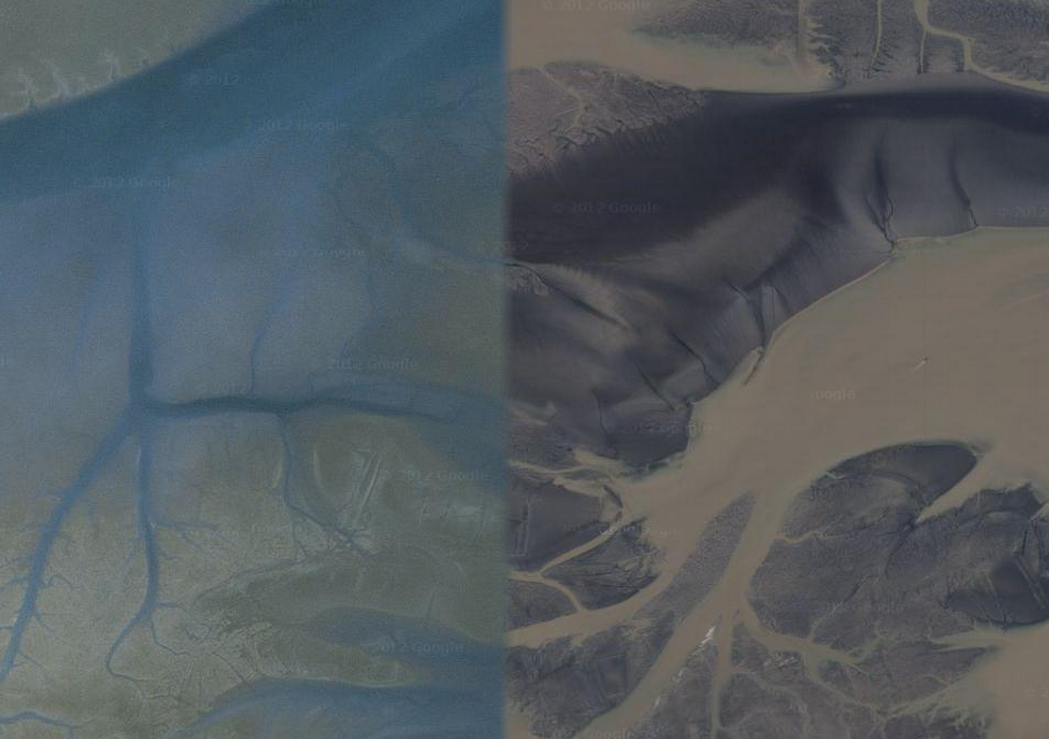
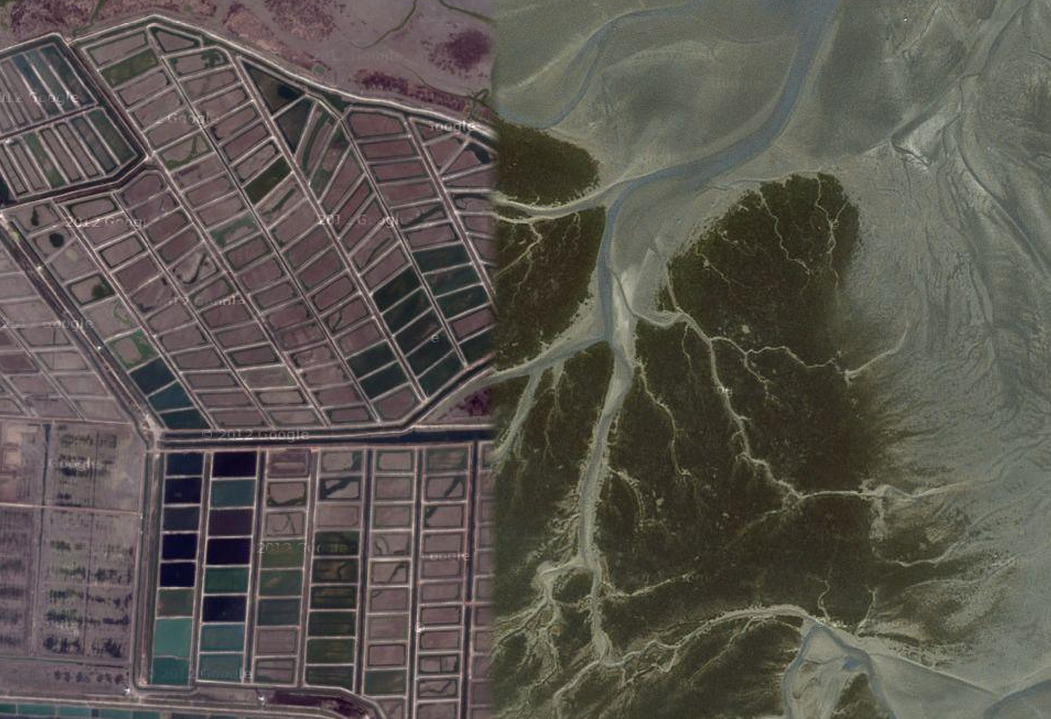
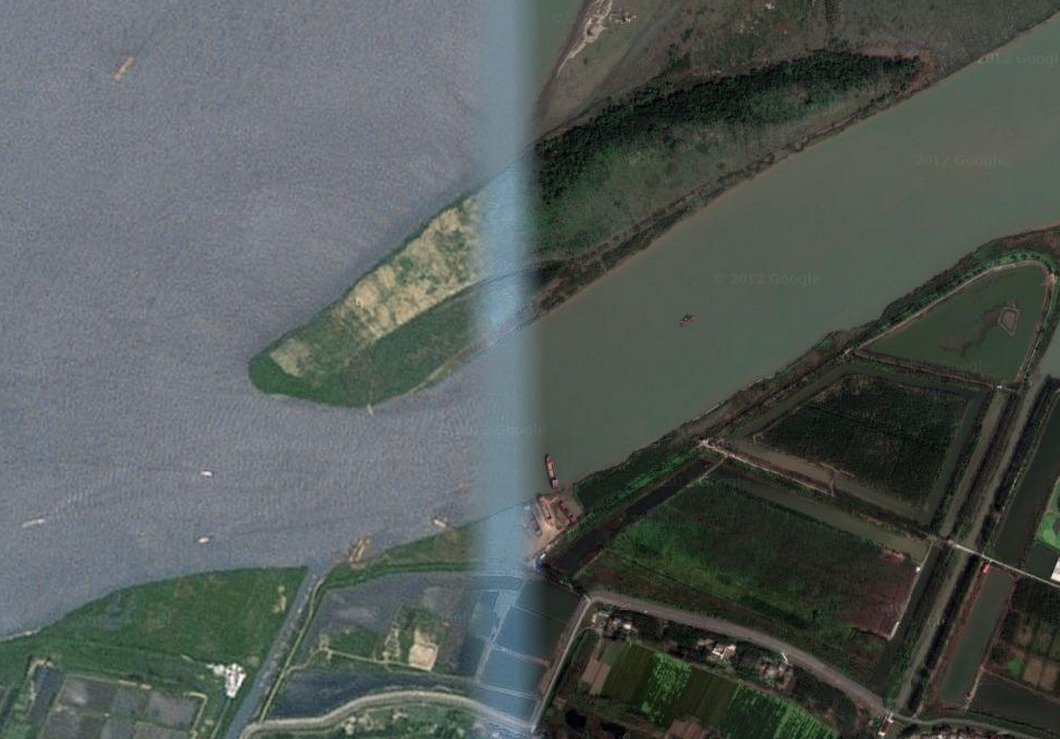
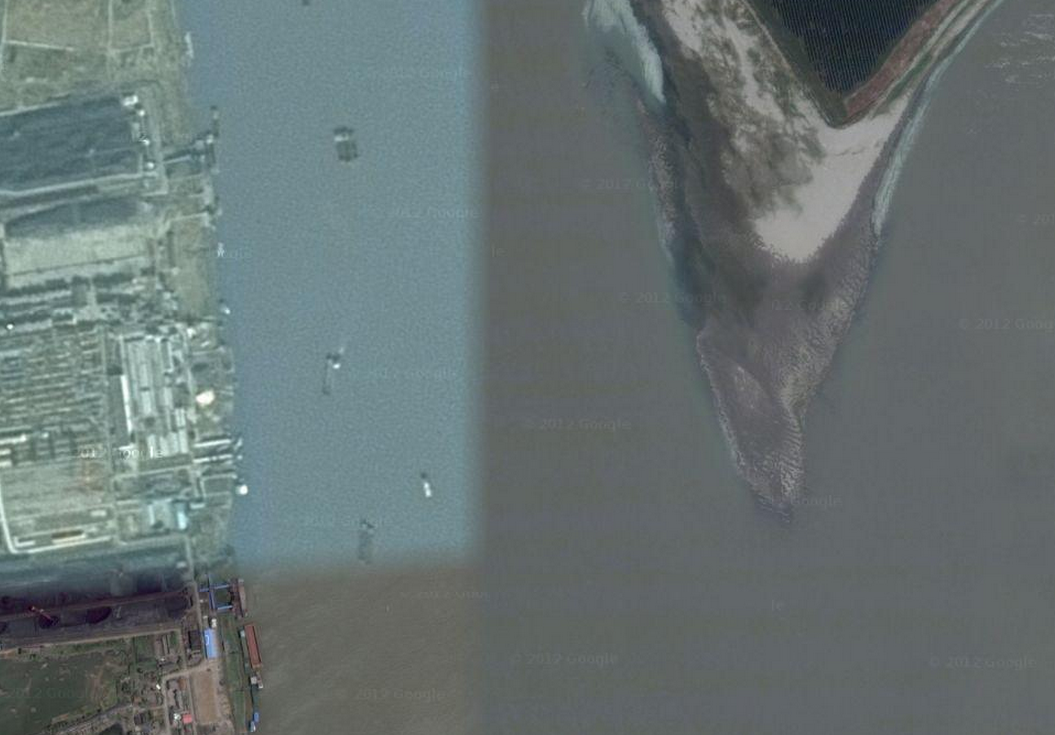
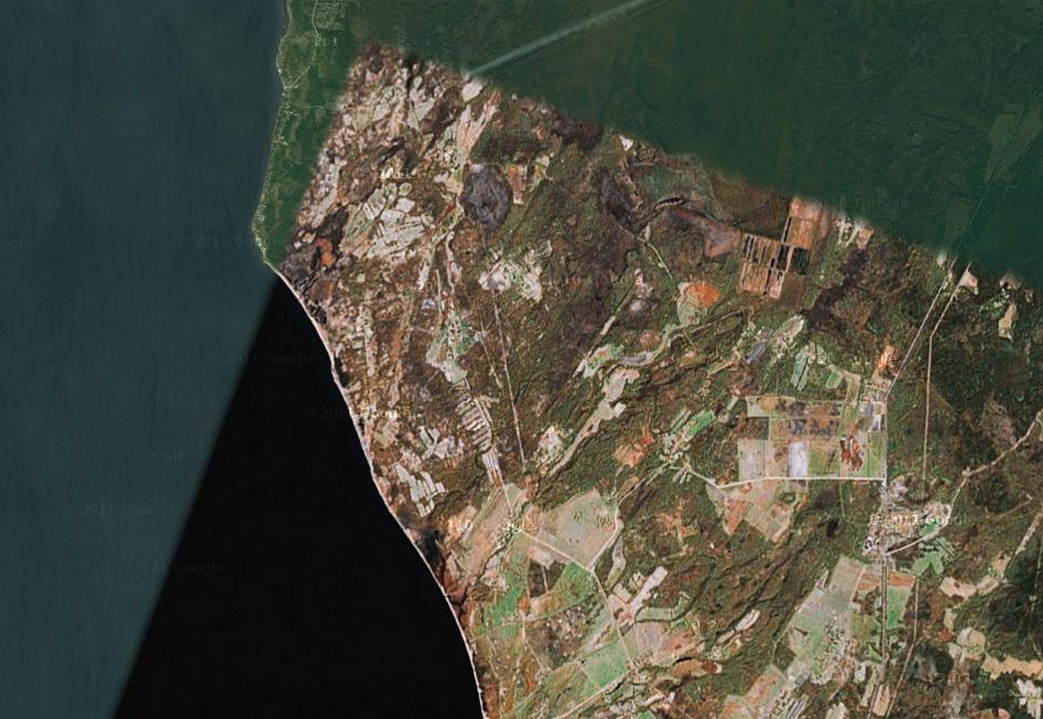
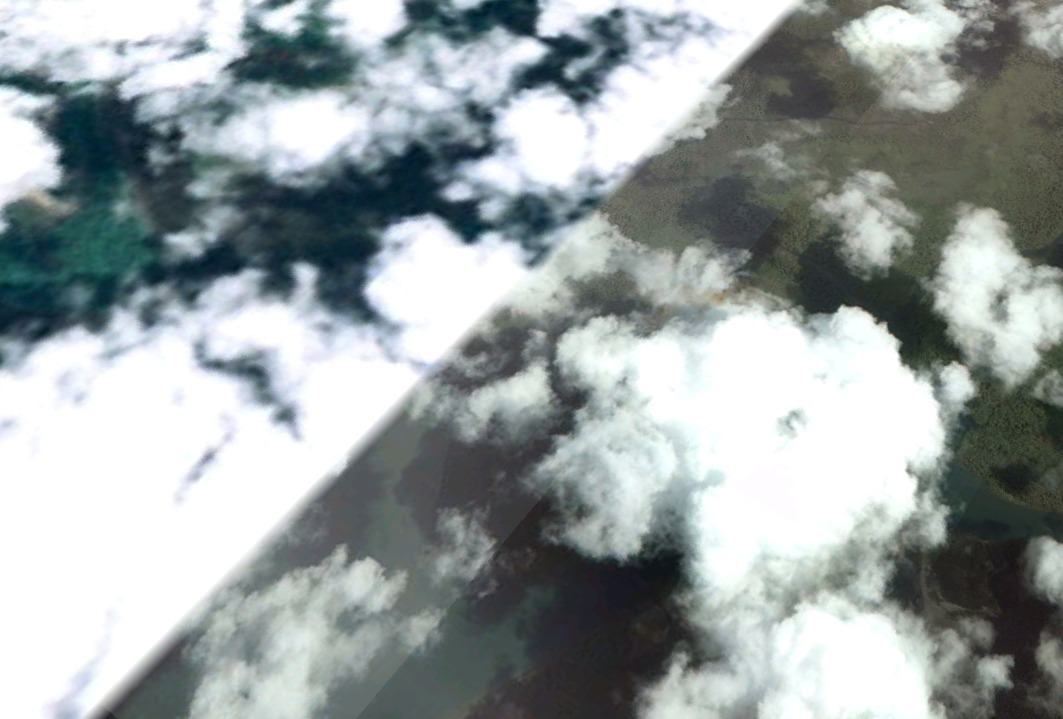
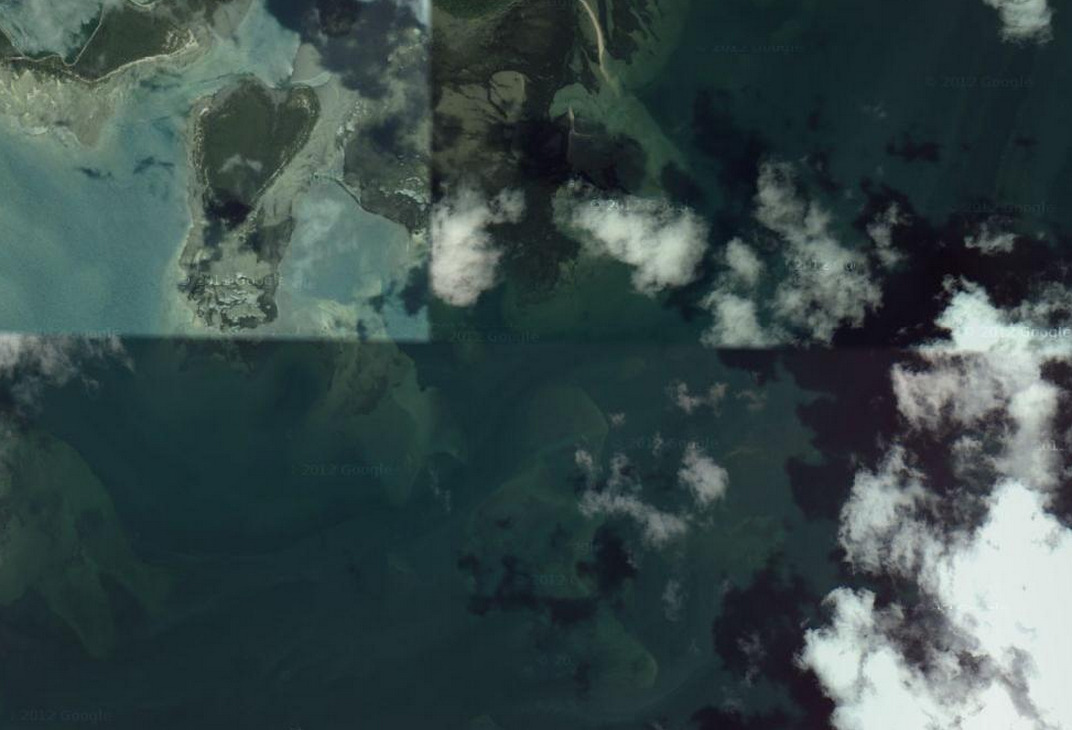
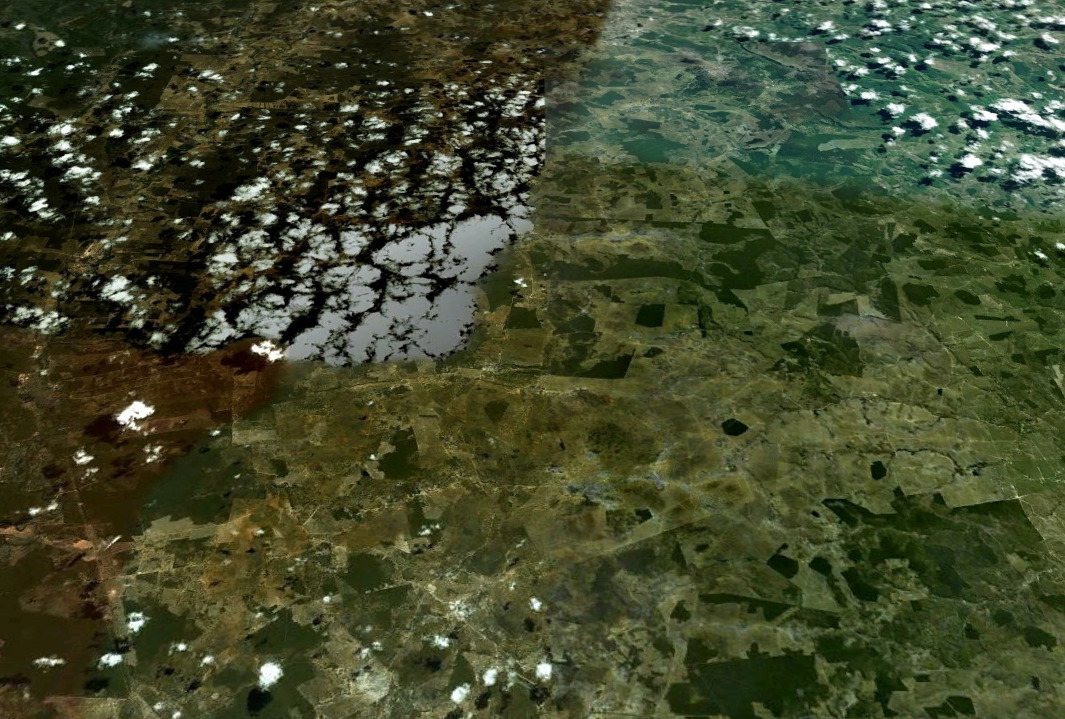
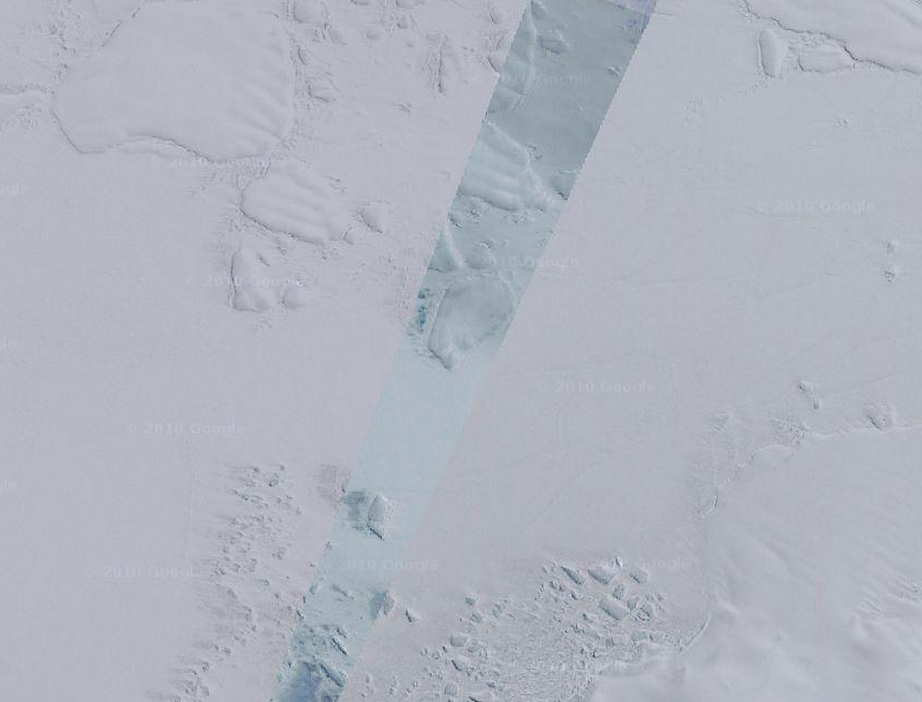
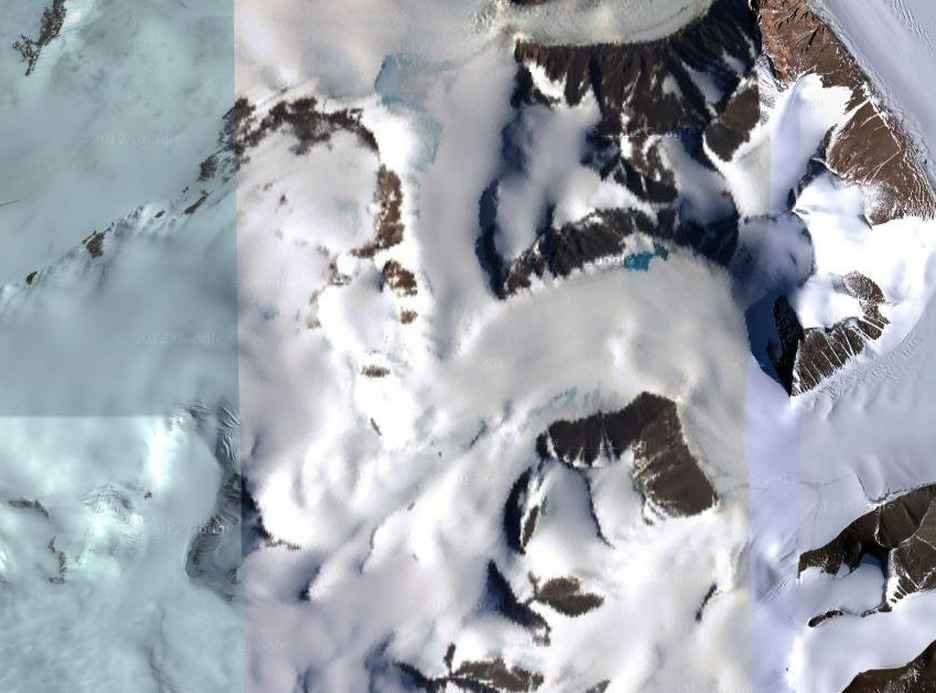
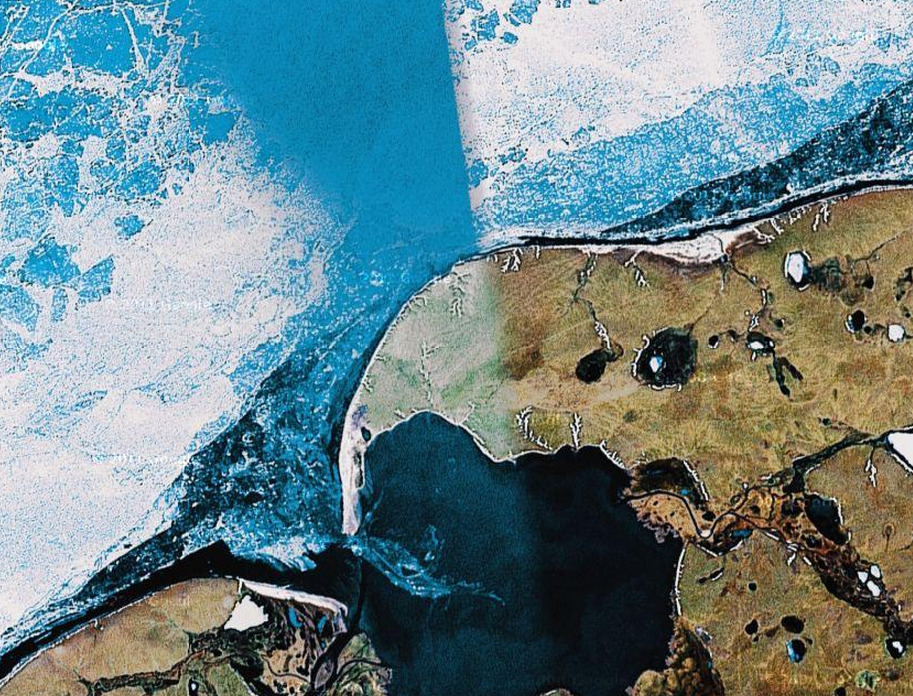
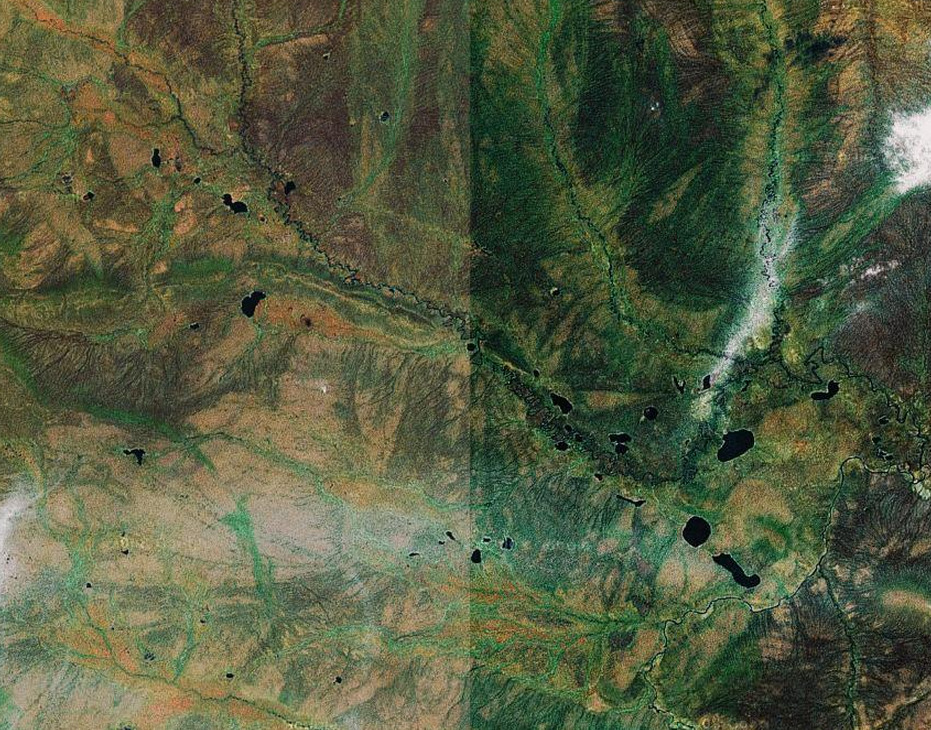
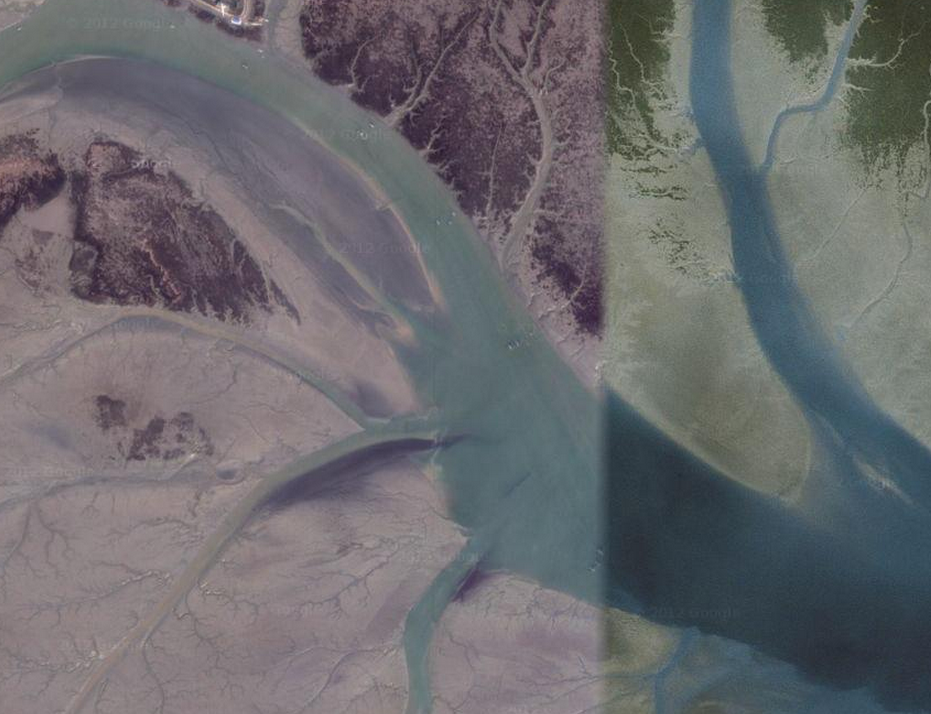
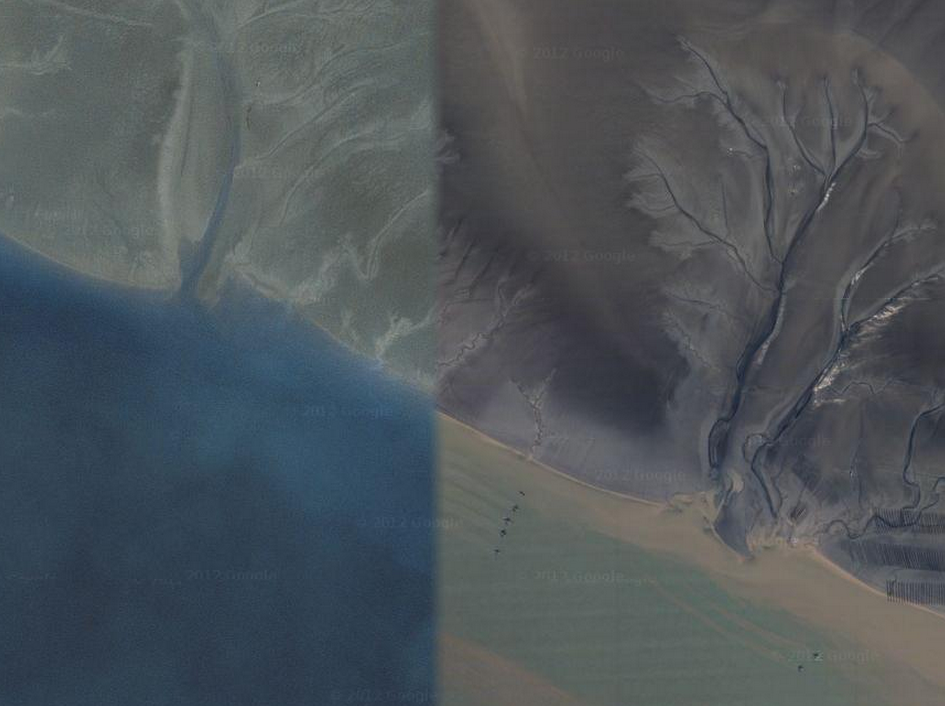
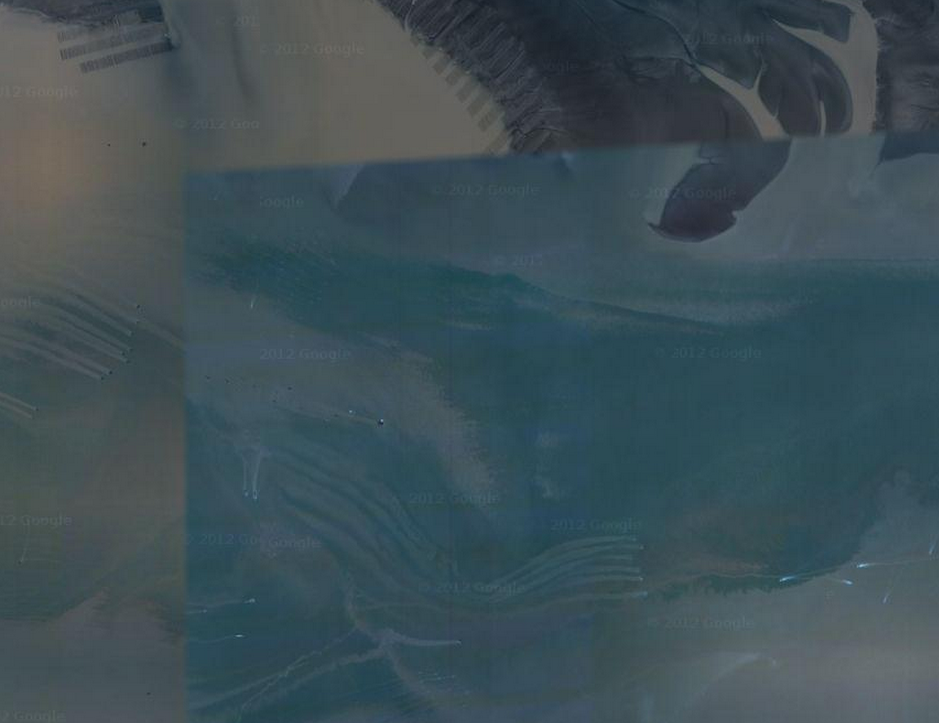
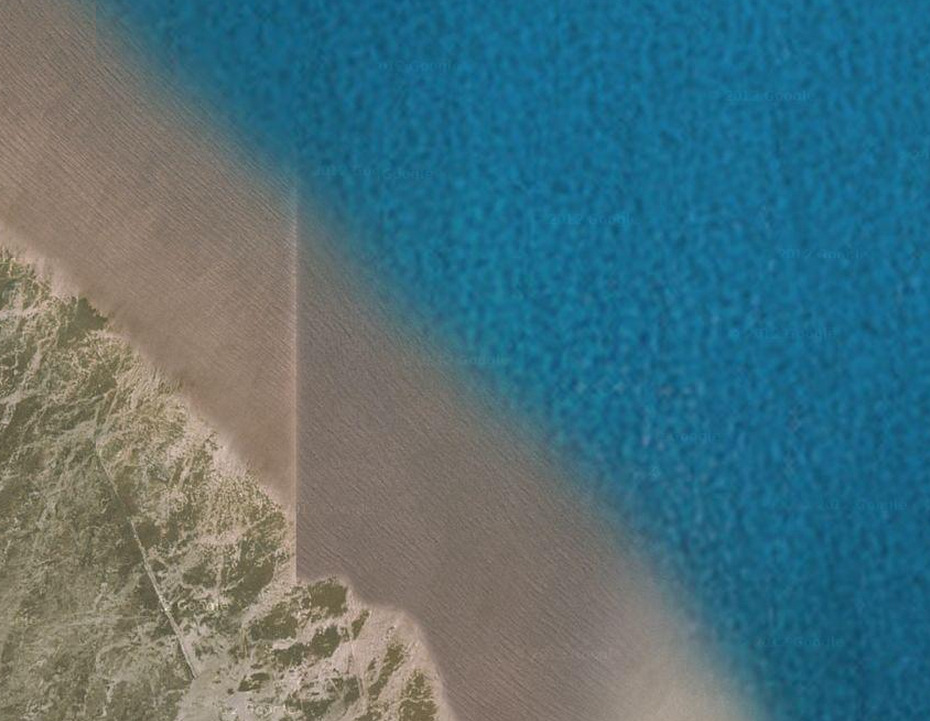
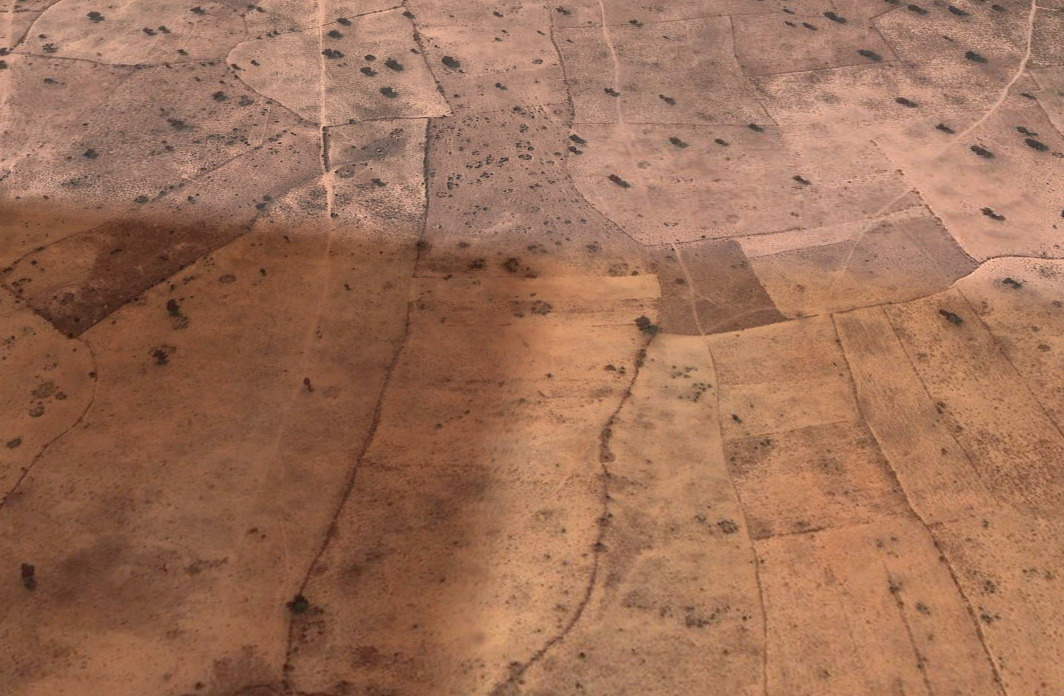
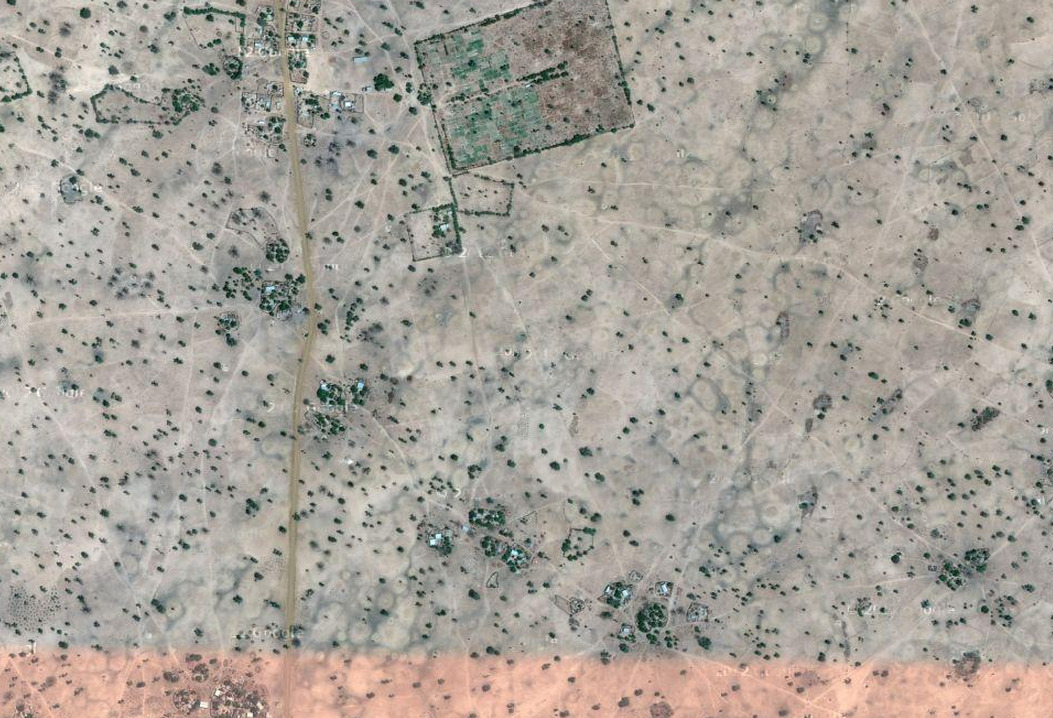
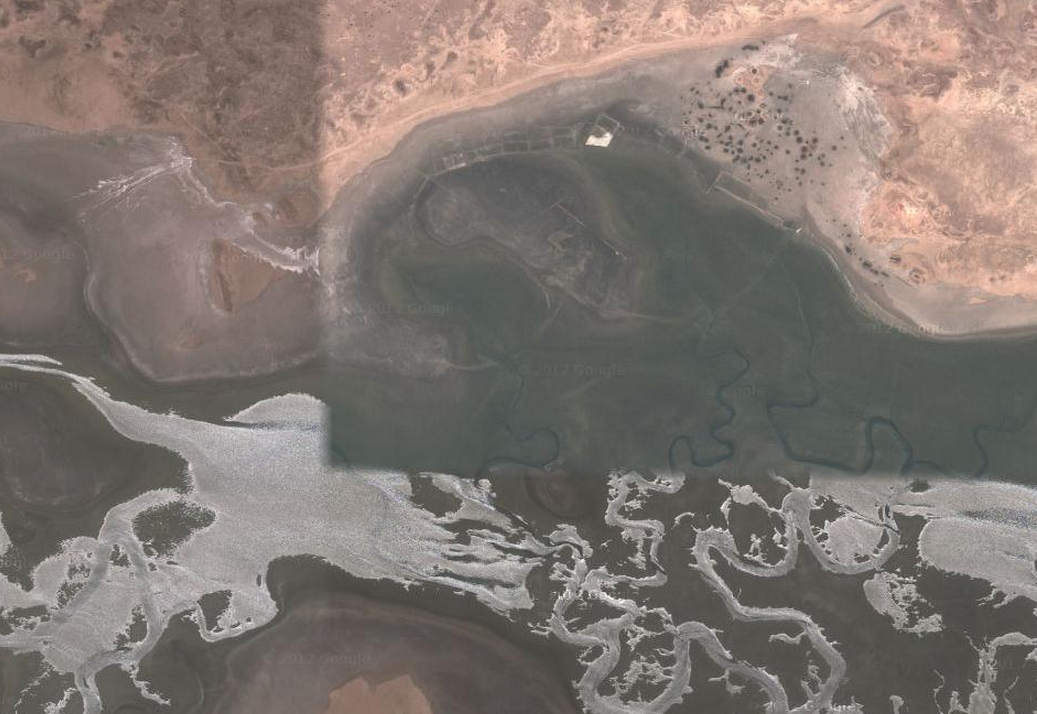
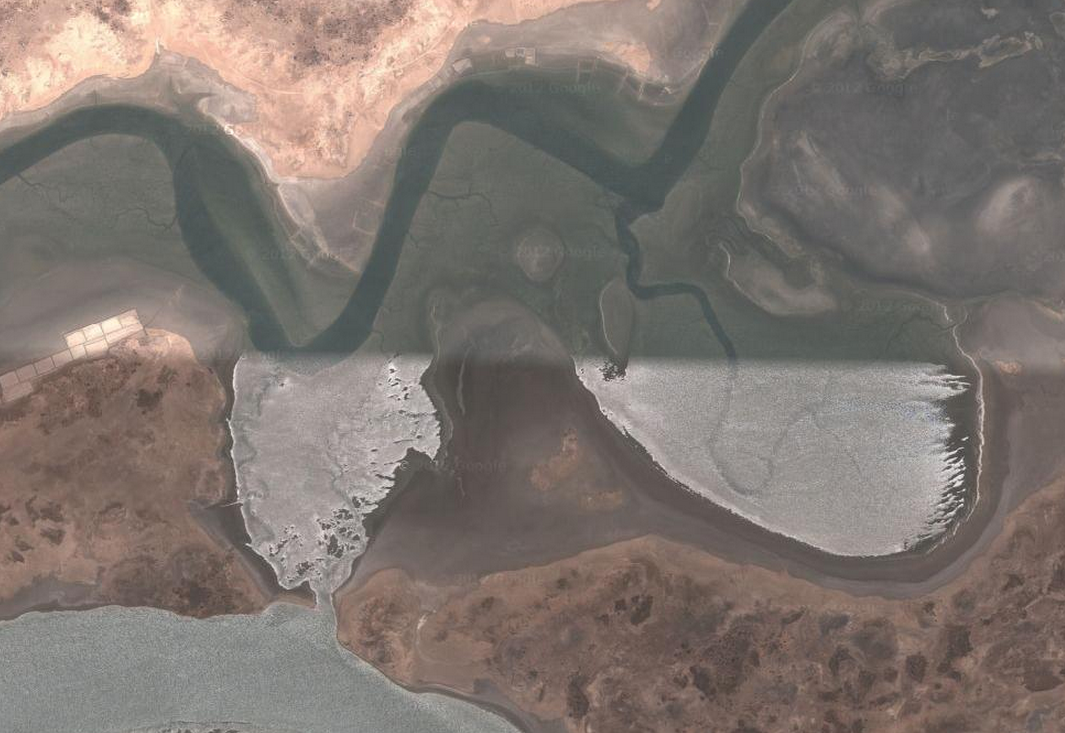
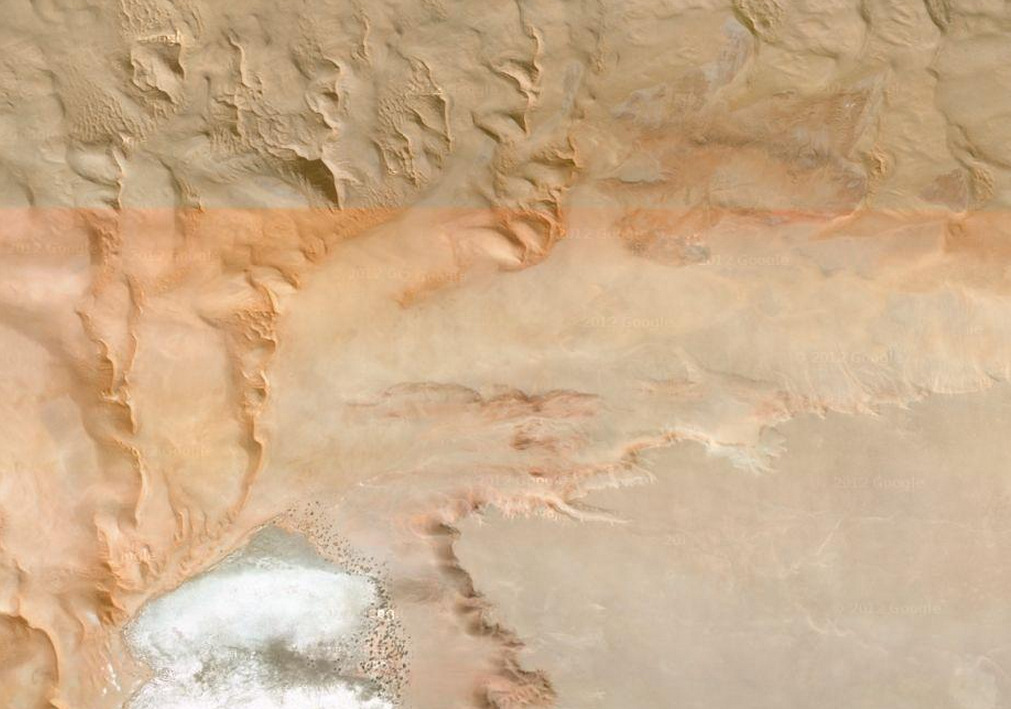
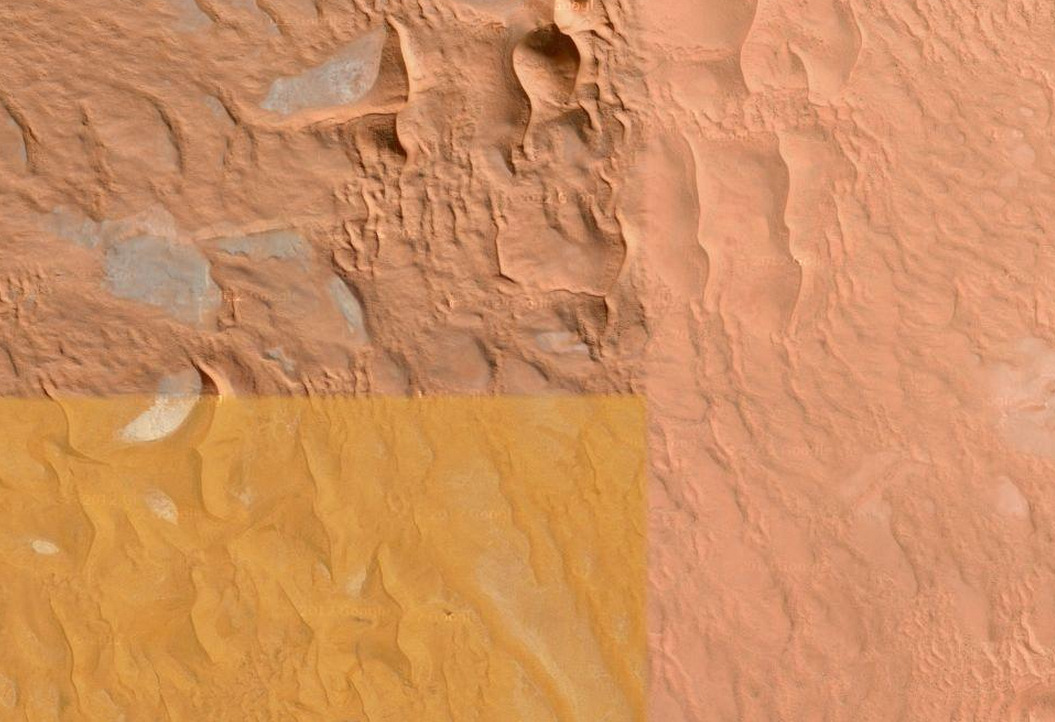
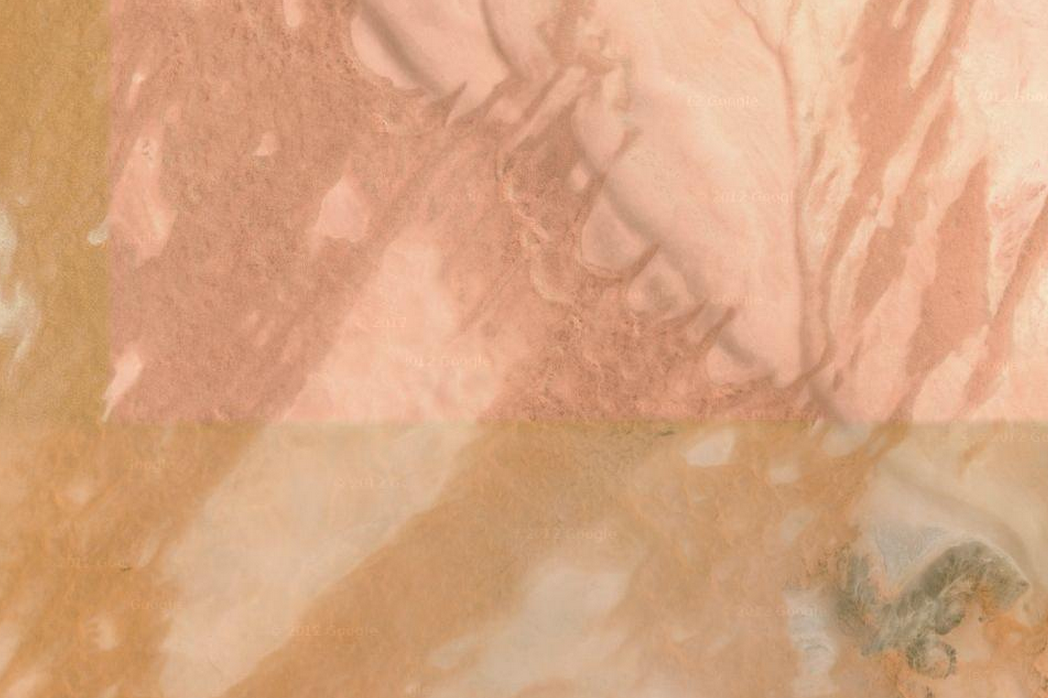
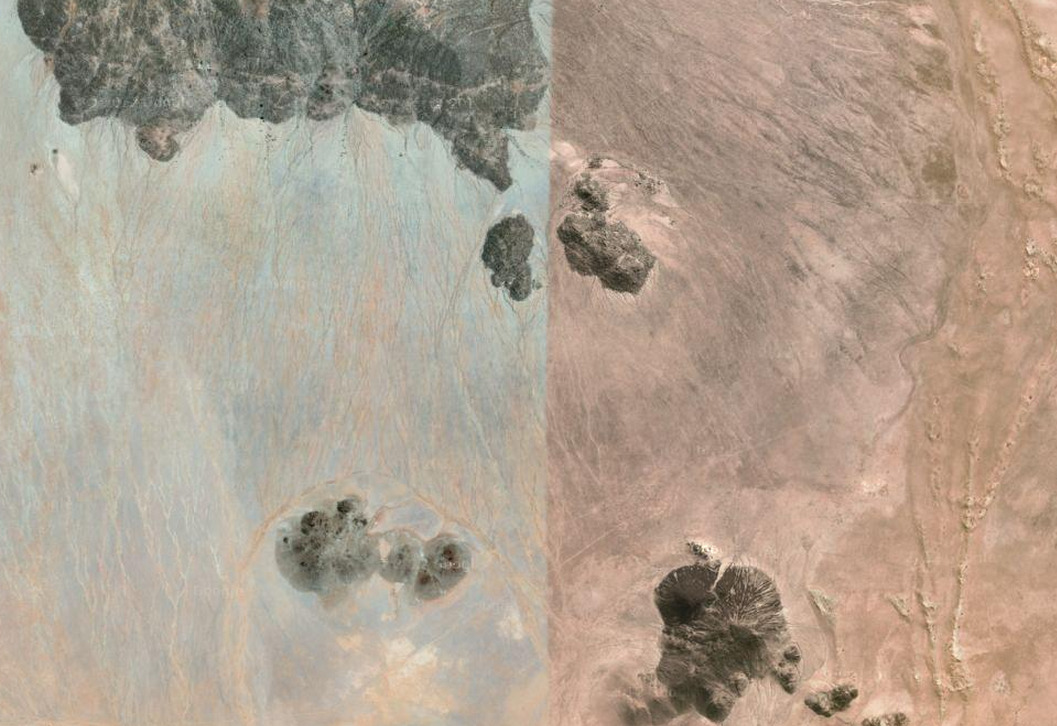
After years of doing this, she noticed an odd quirk about Google
Earth. As the satellite photos updated and revised the picture of the
earth, images would be joined together in a patchwork-quilt type of
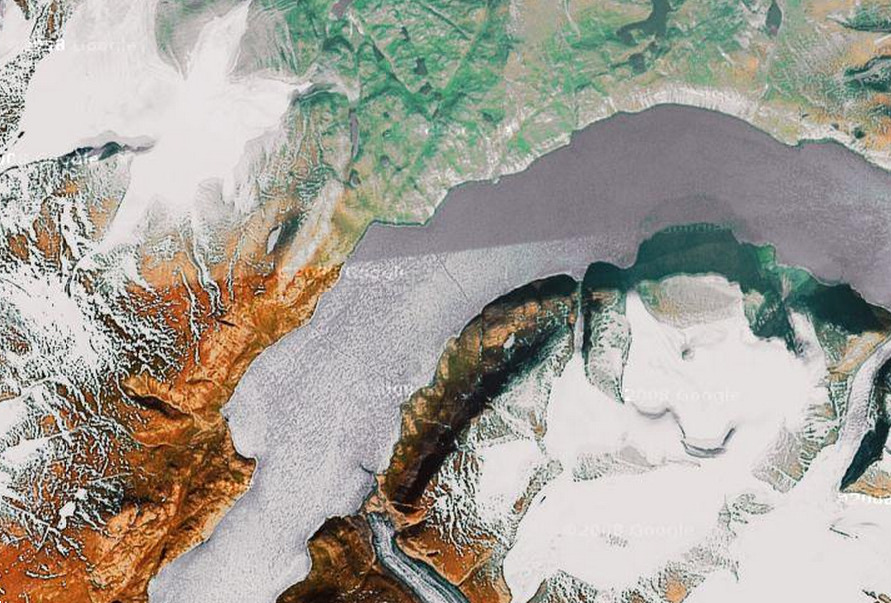
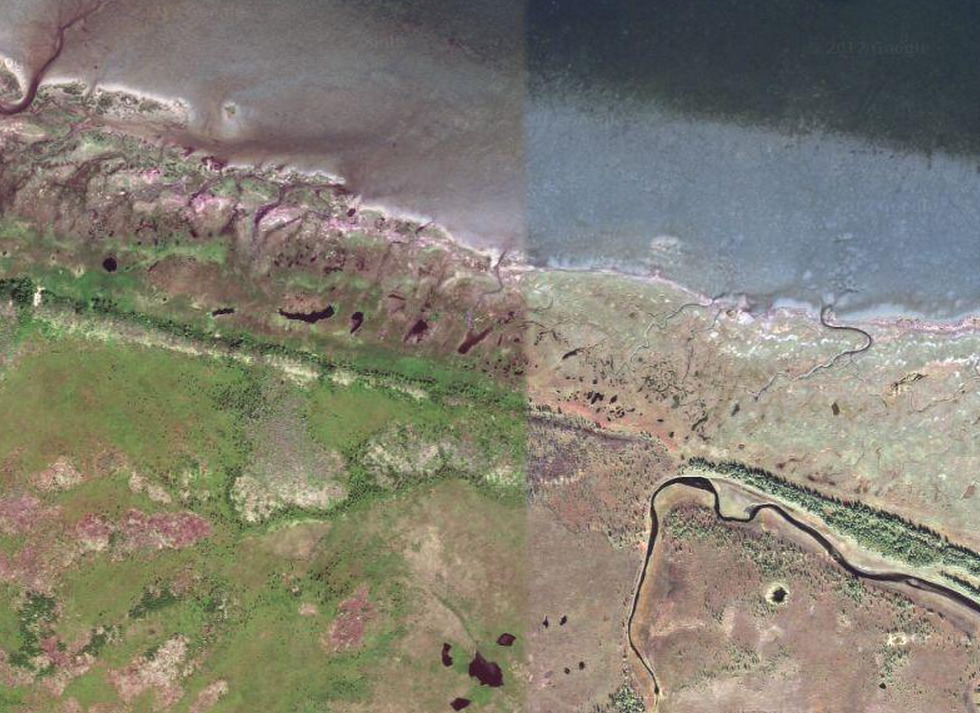
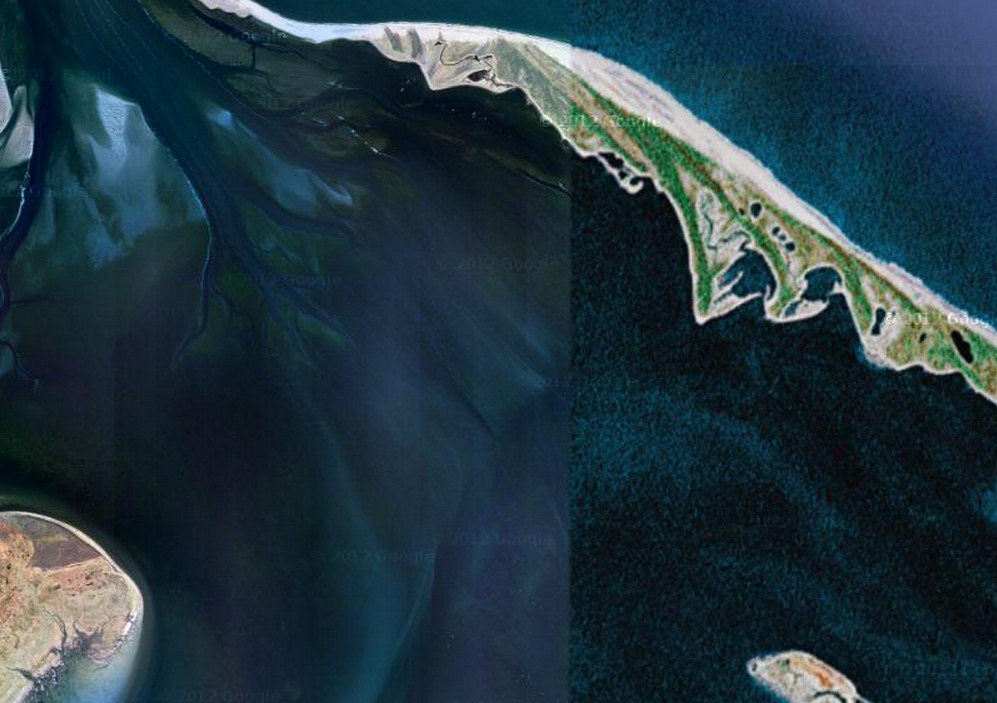
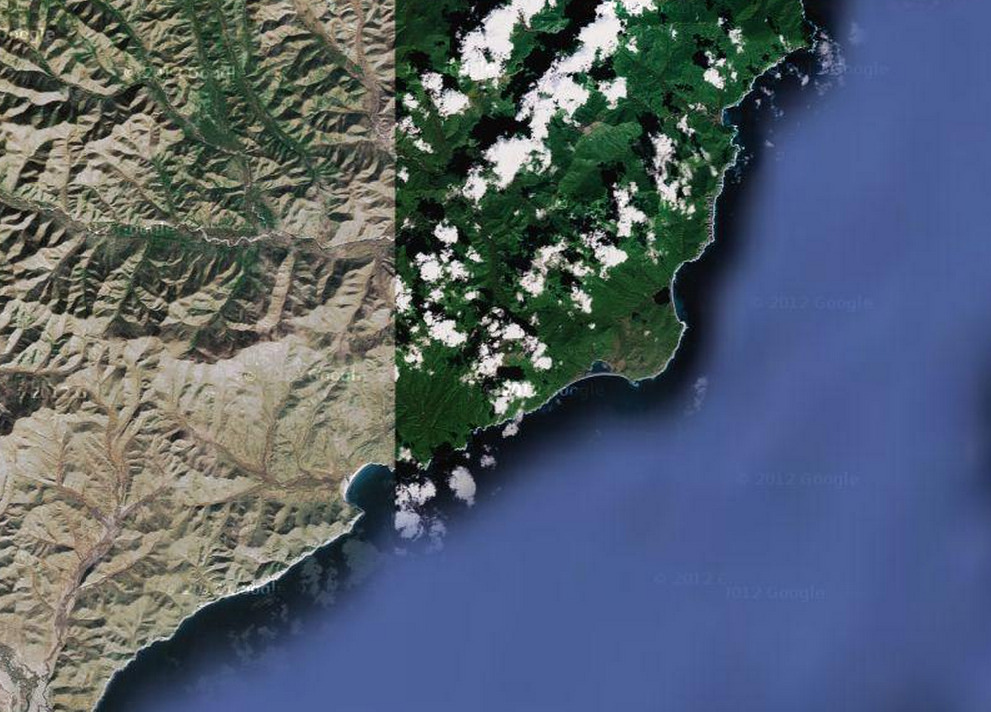
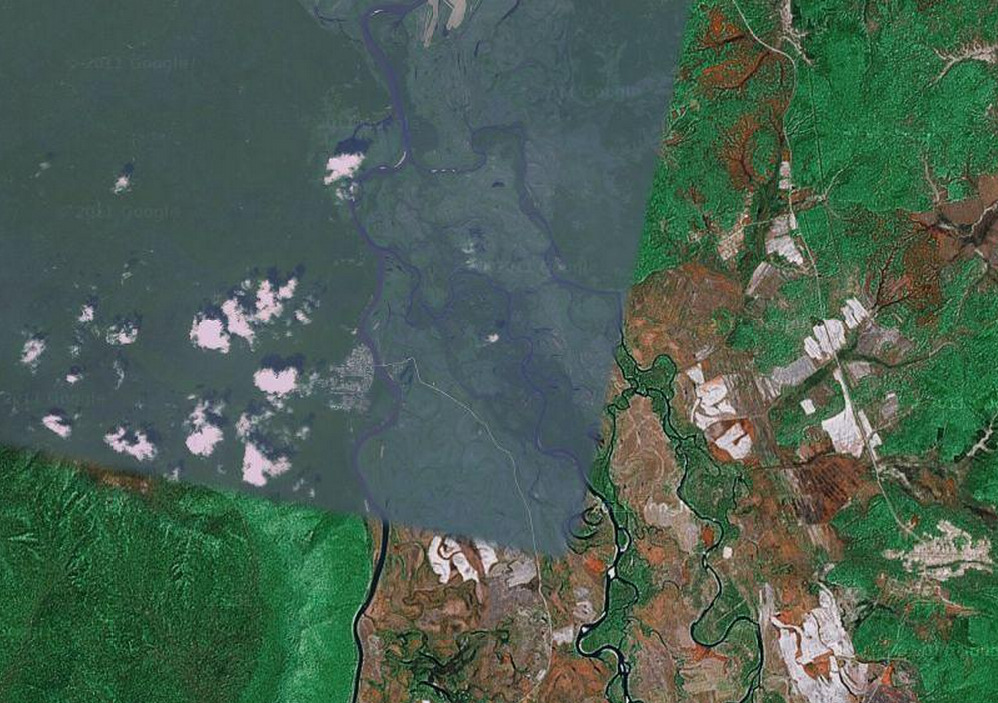
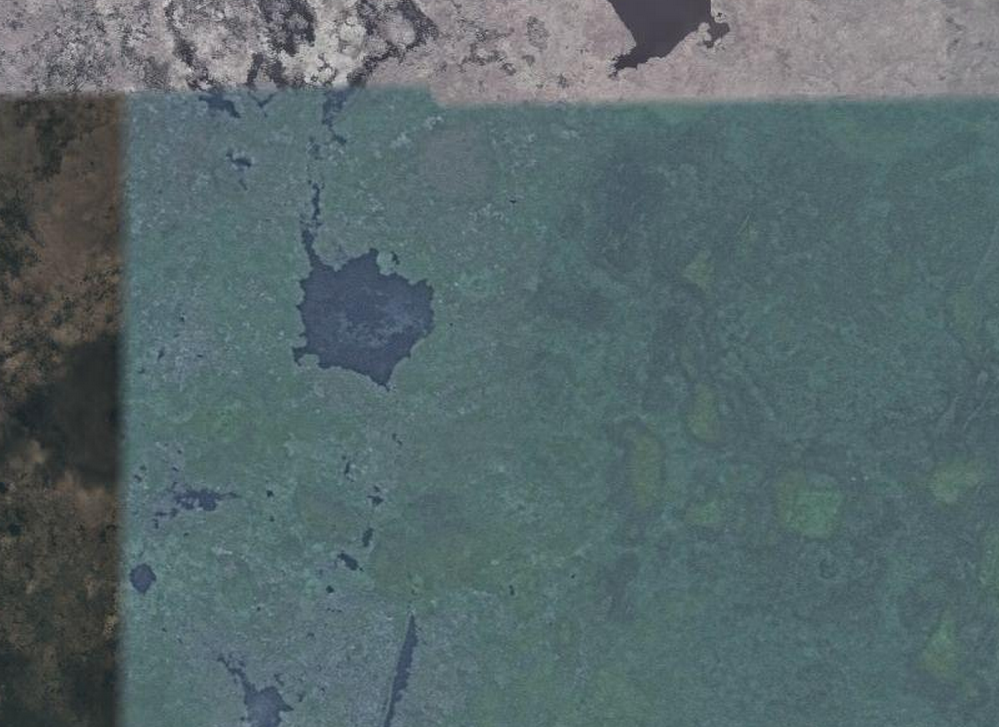
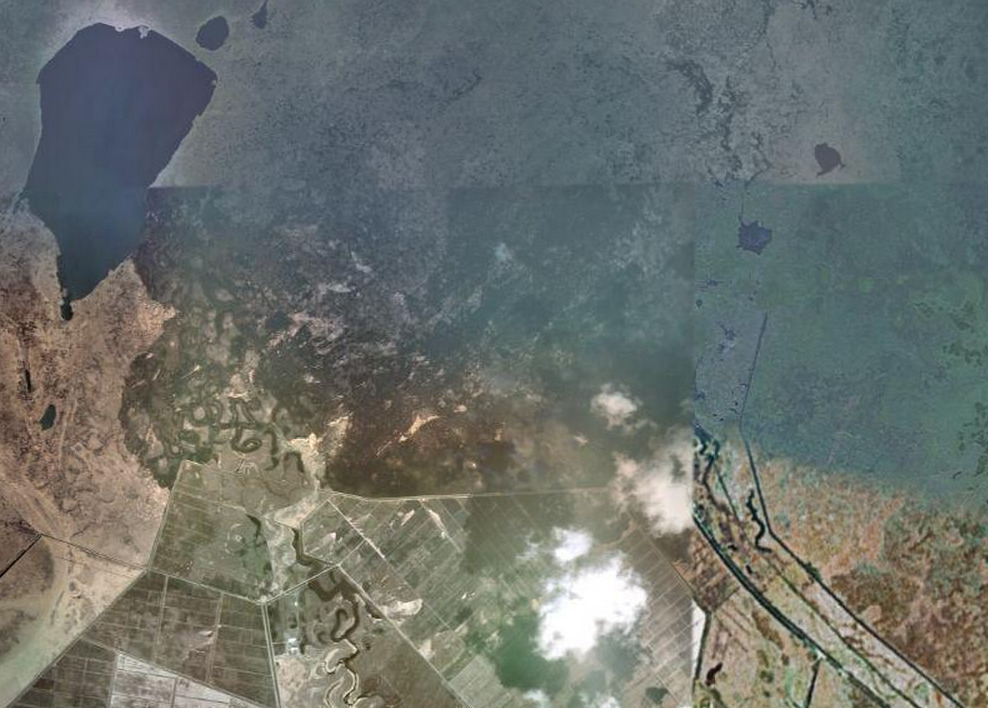
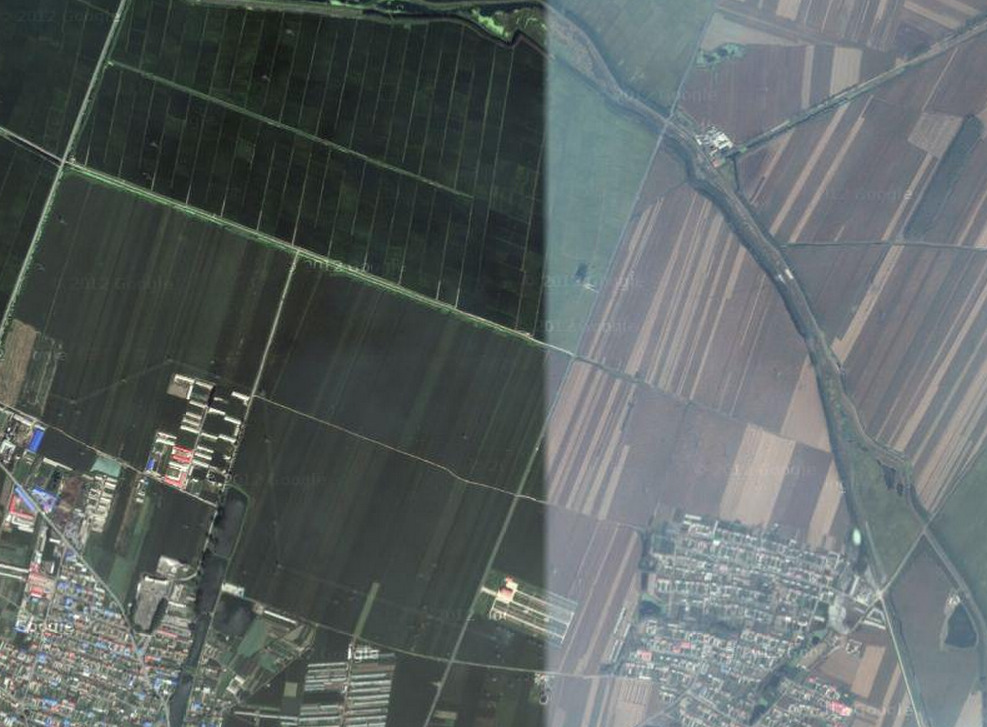
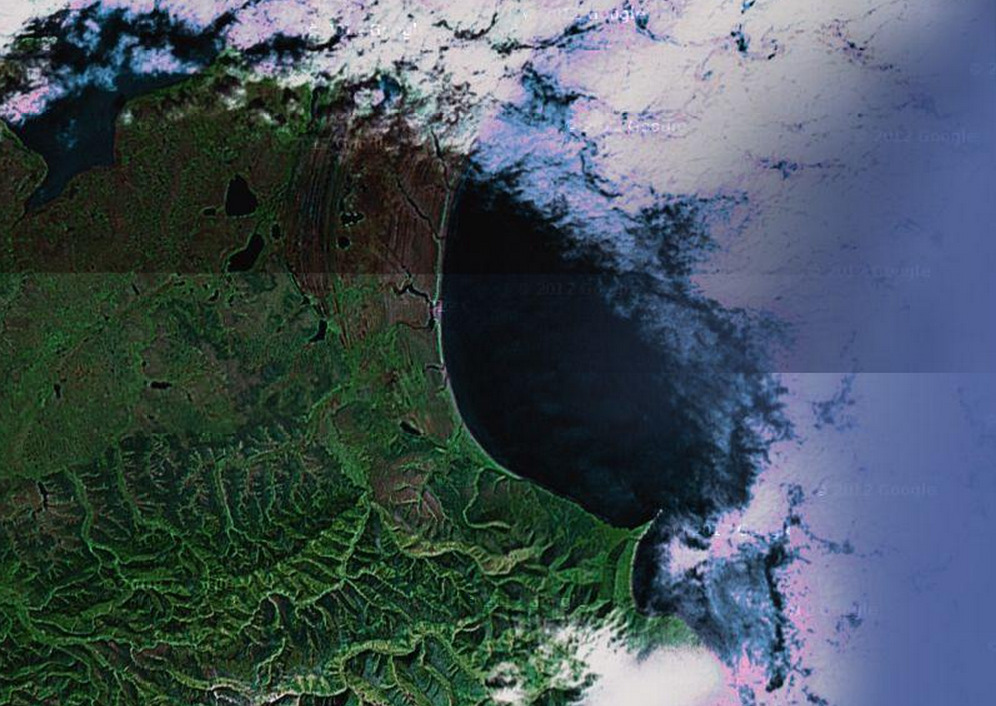
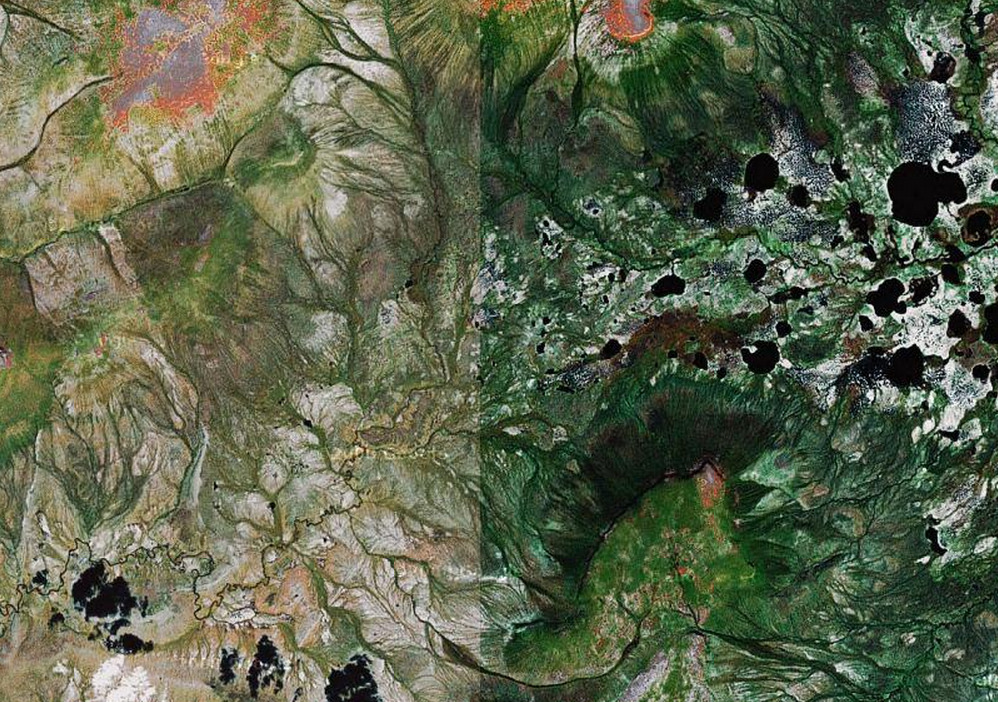
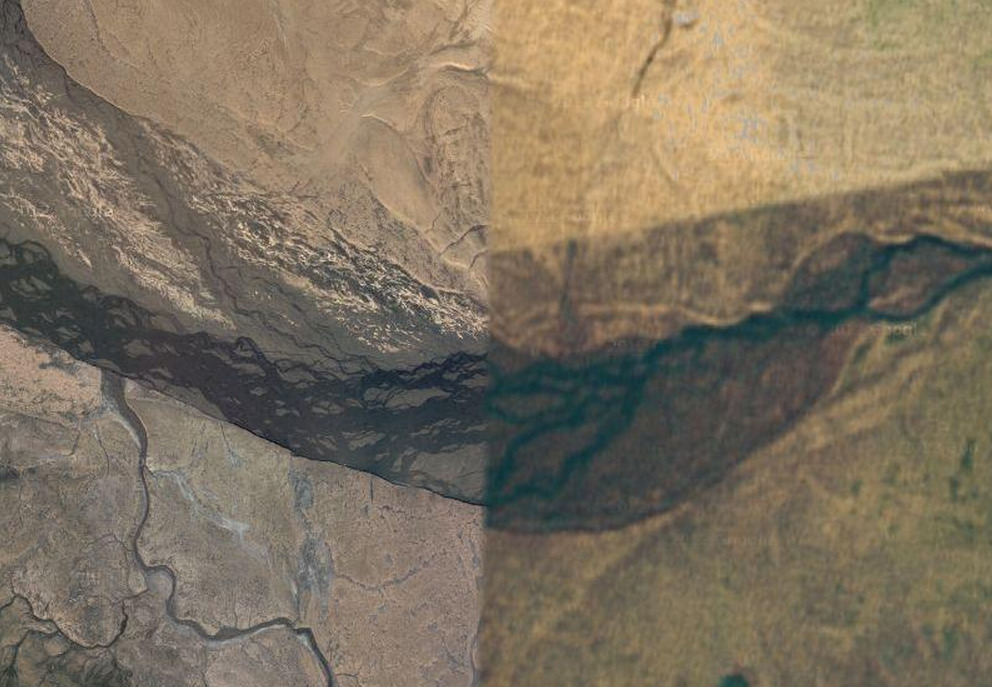
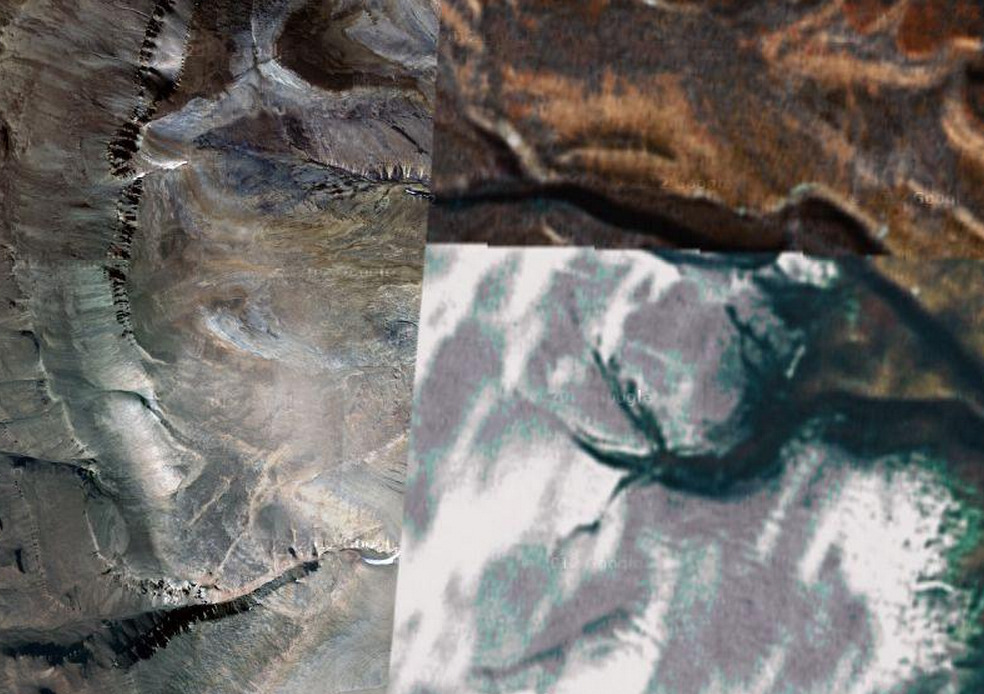
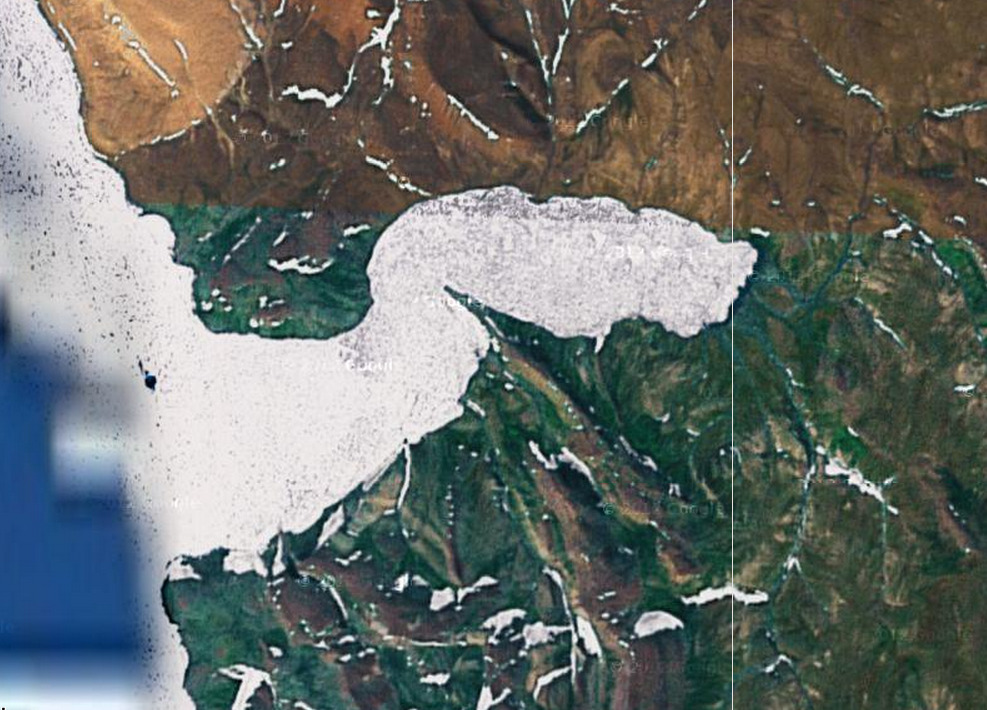
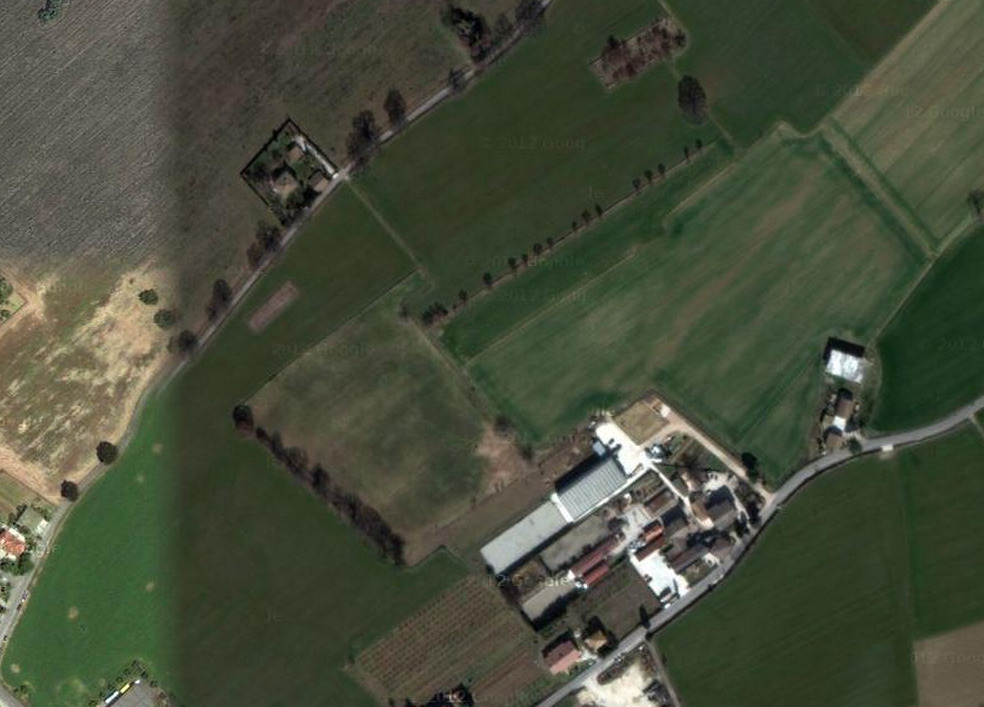
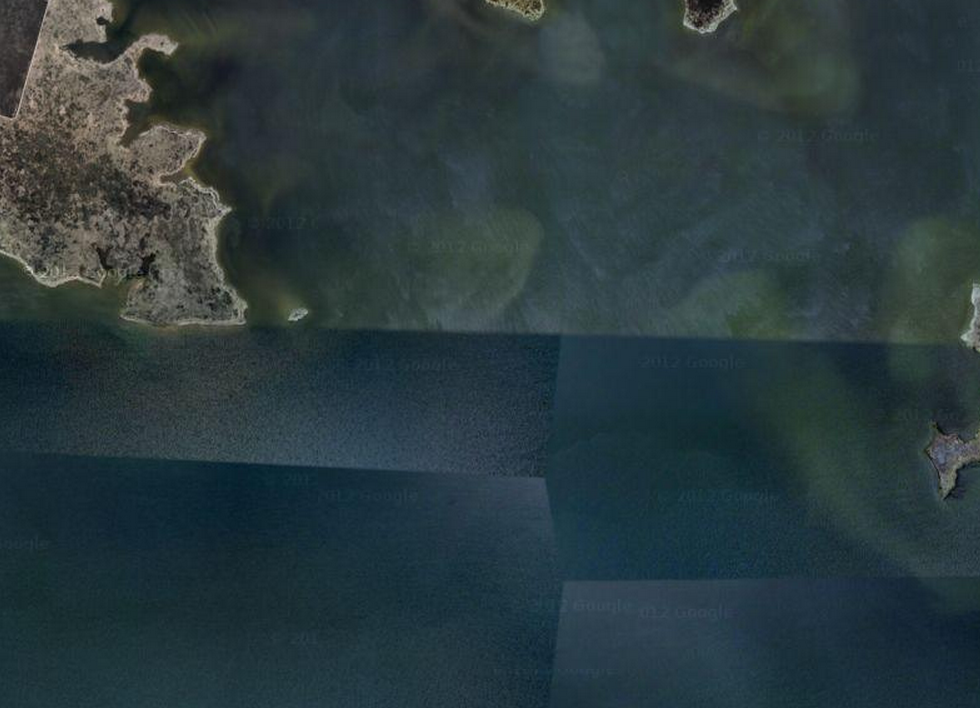
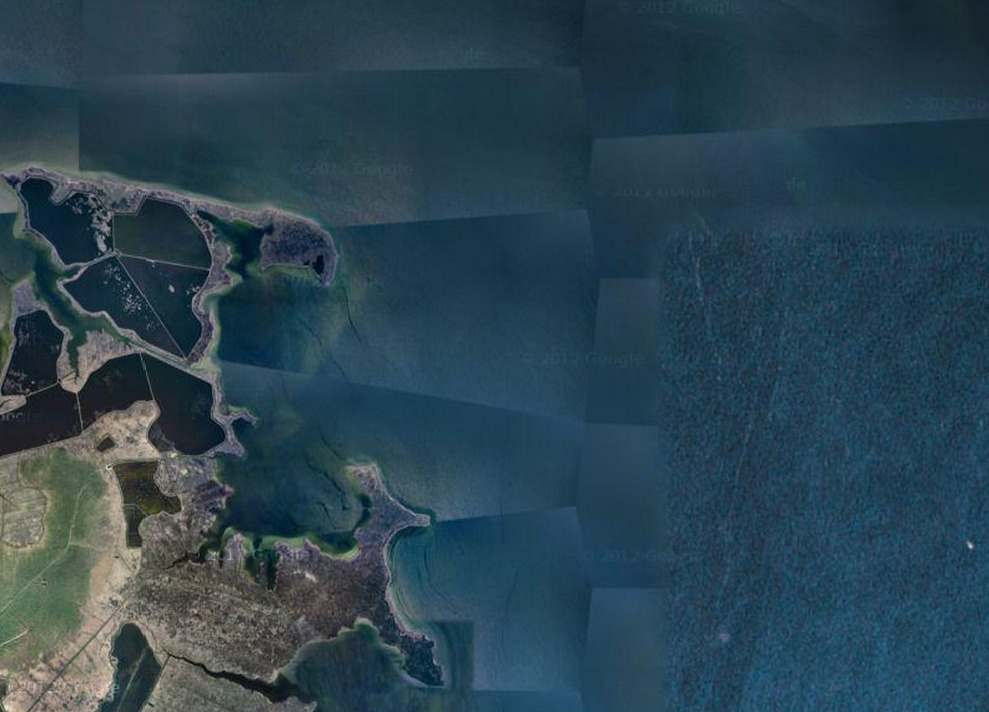
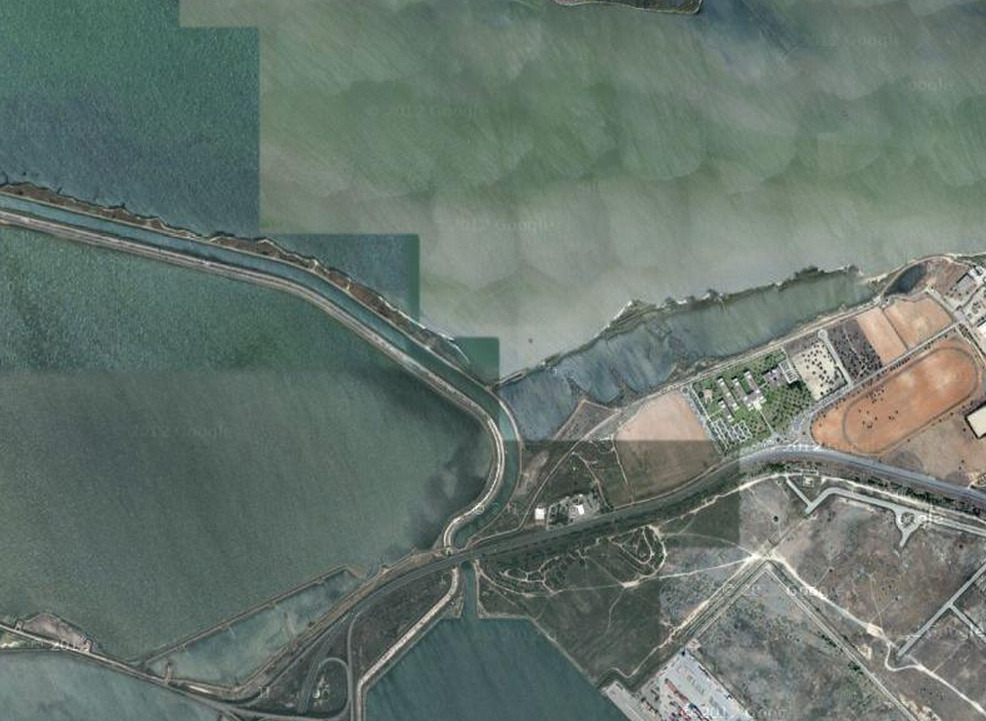
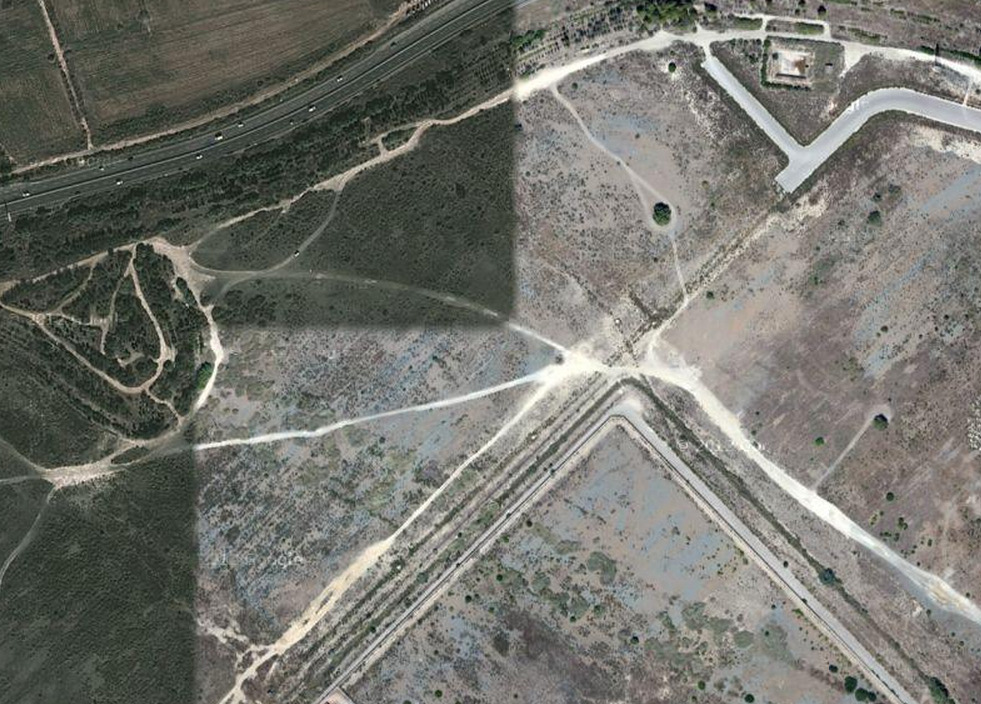
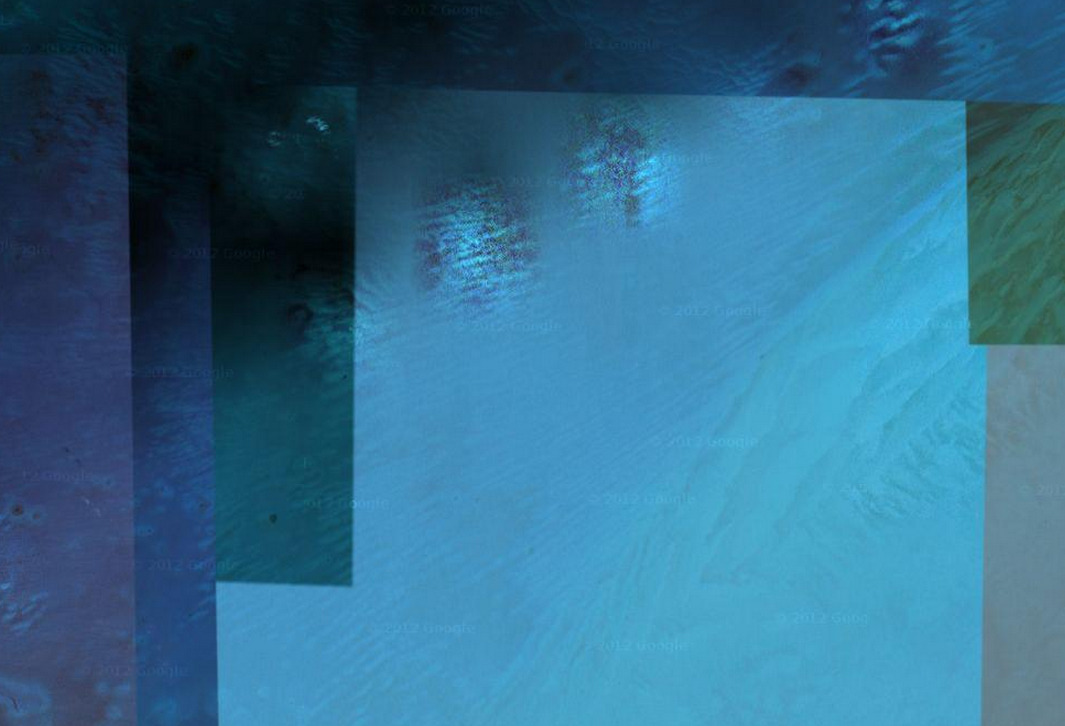
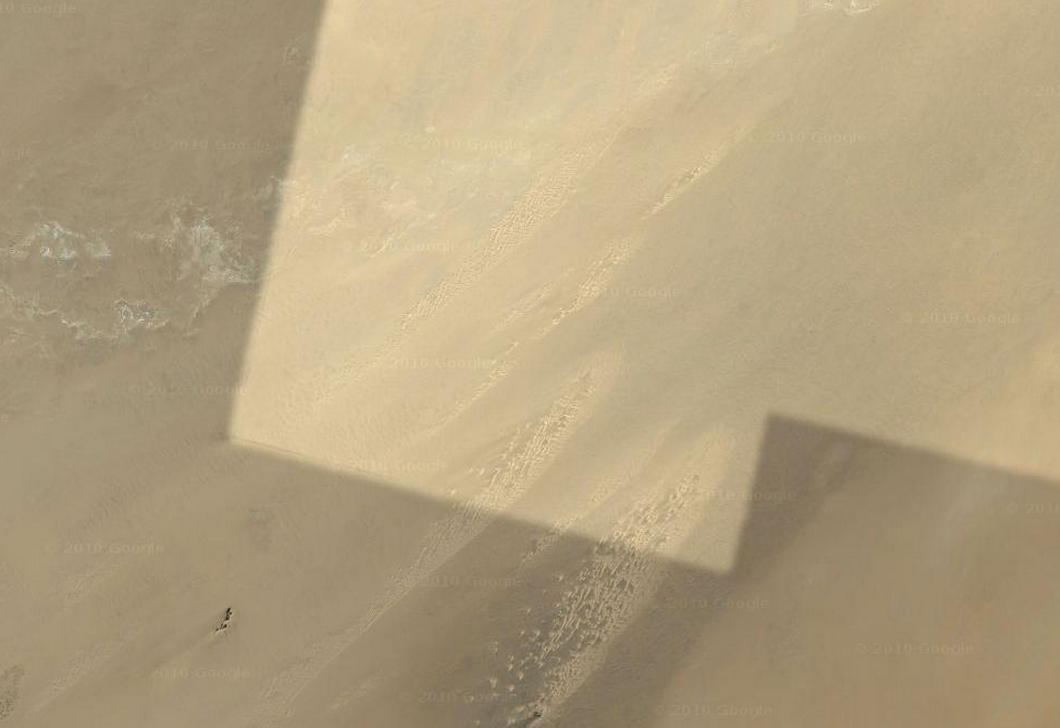
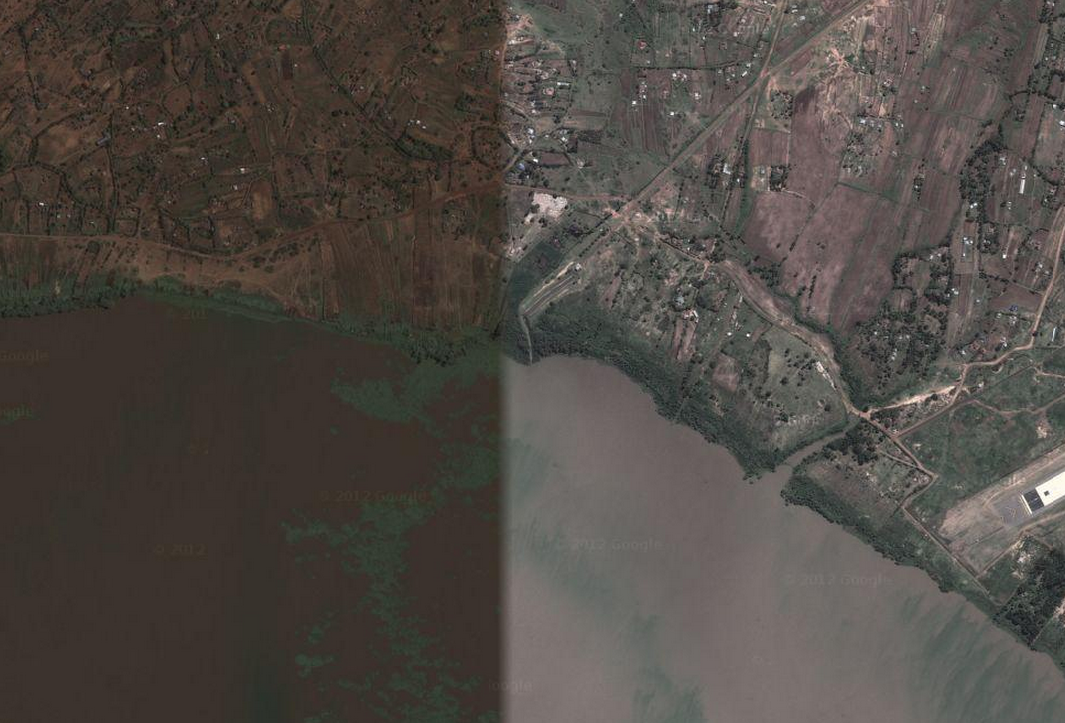
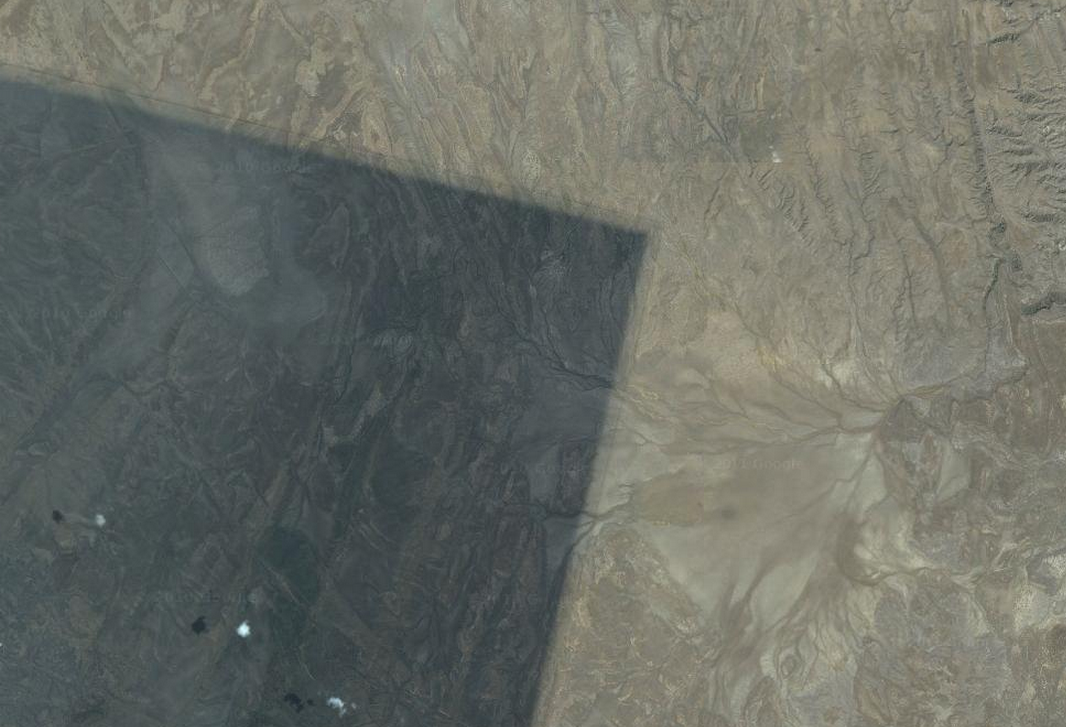
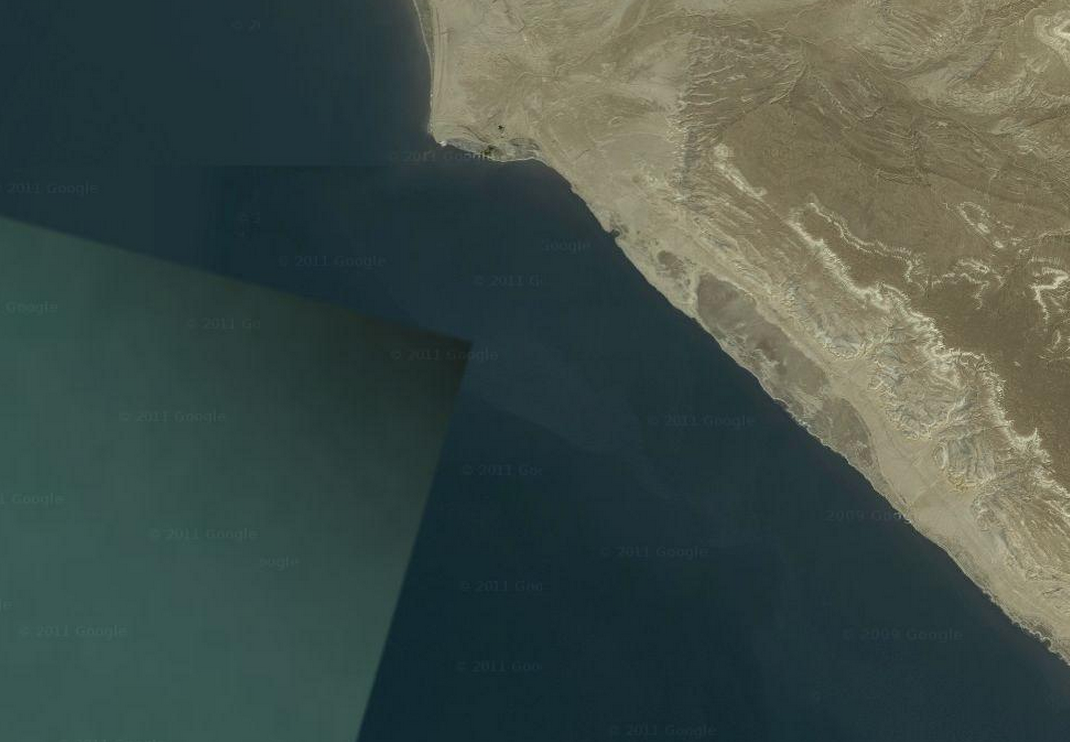
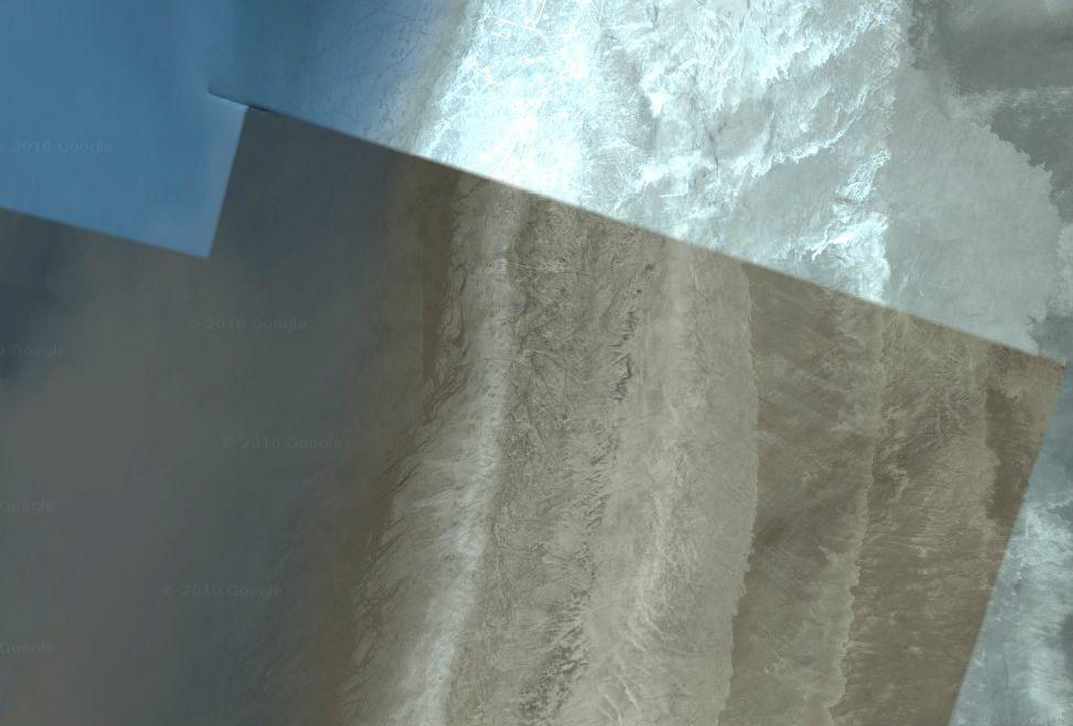
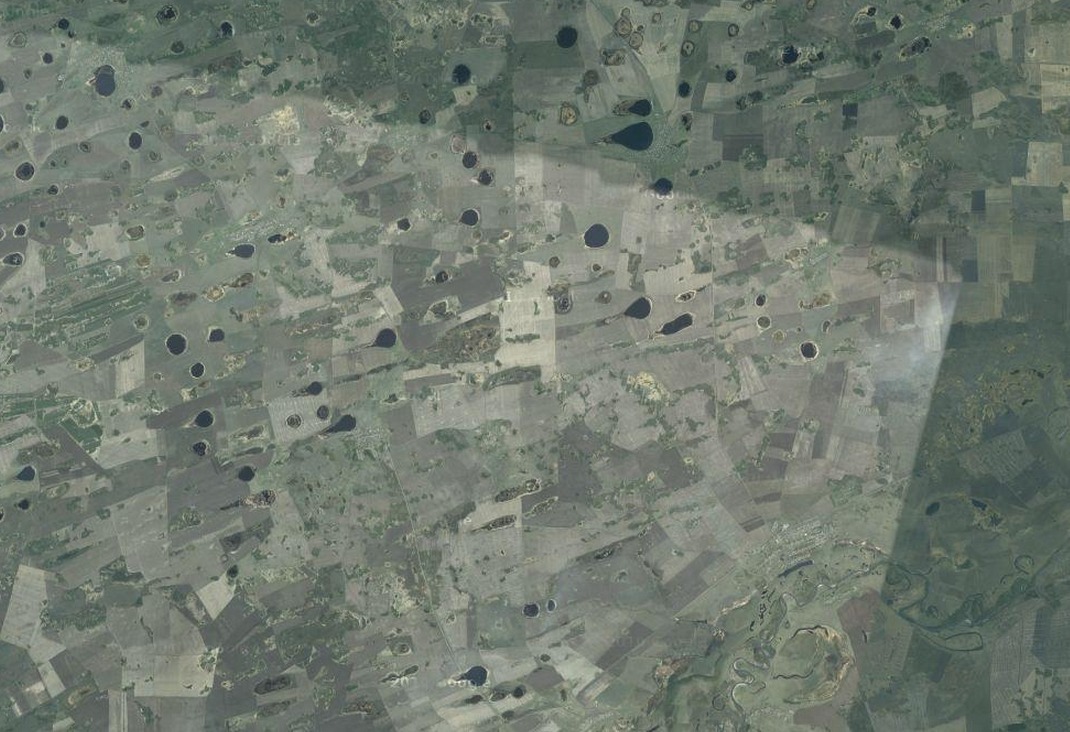
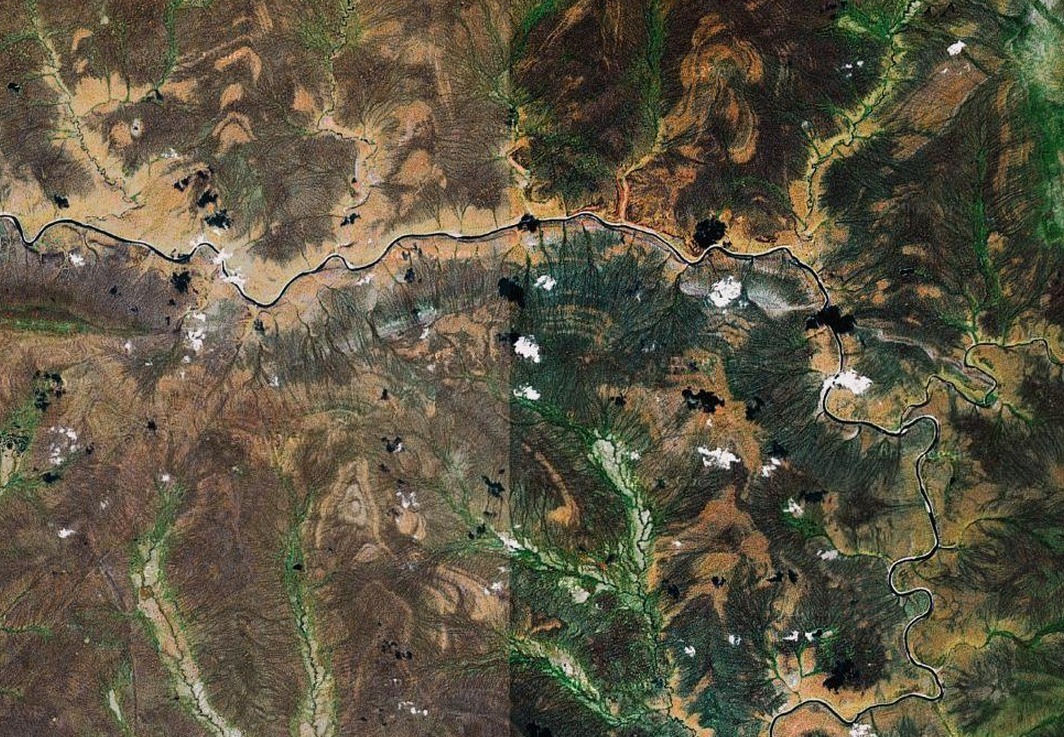
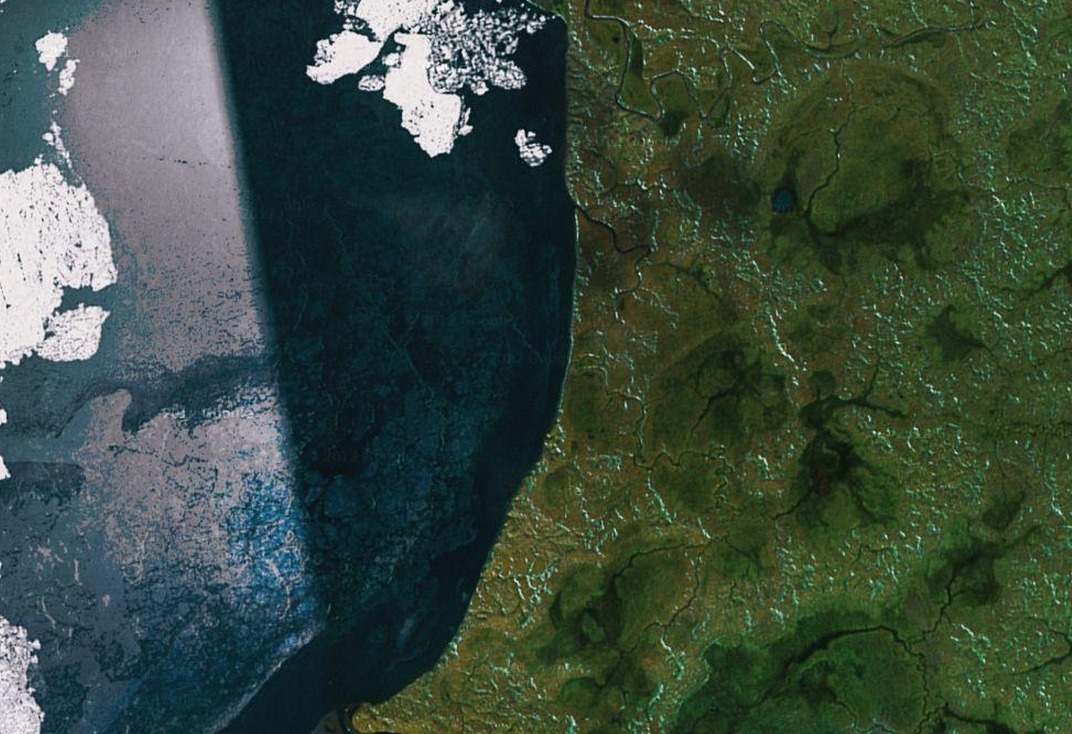
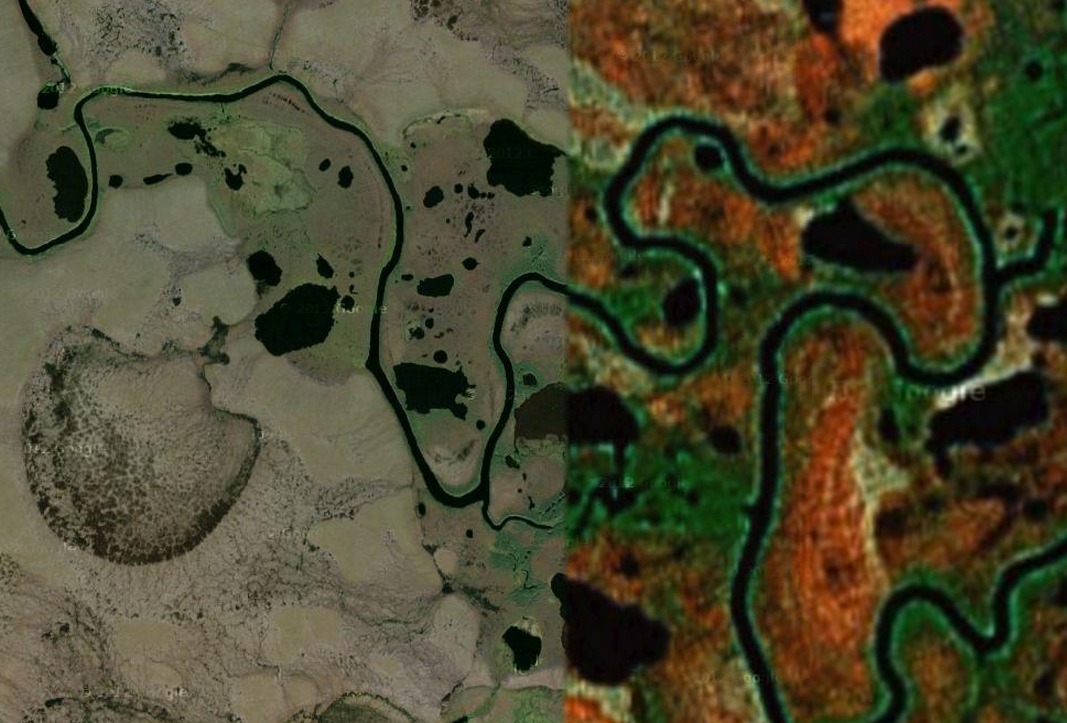
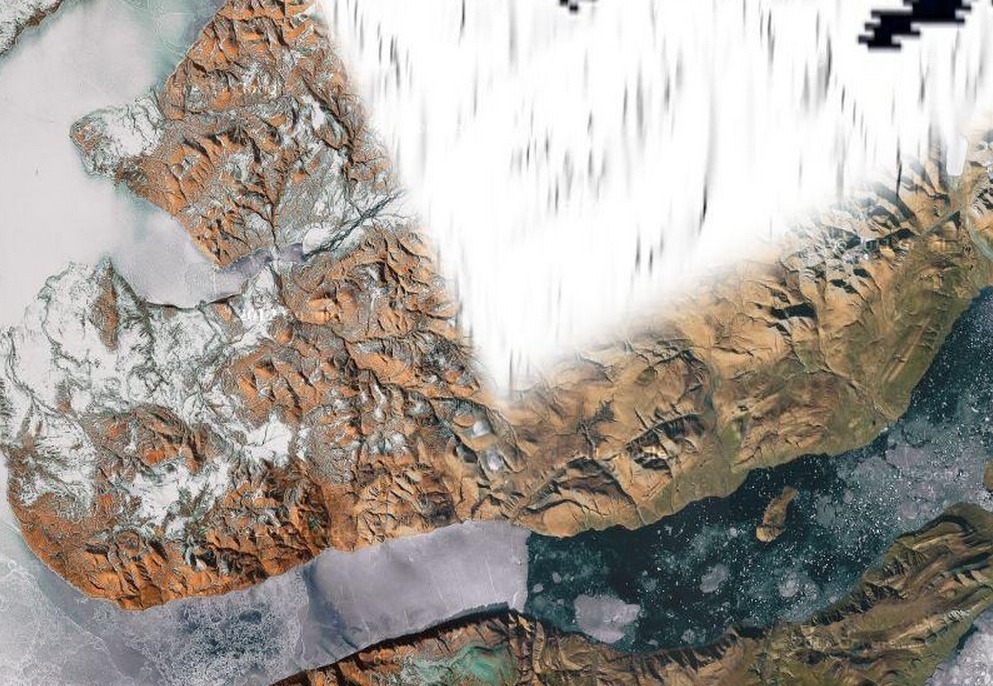
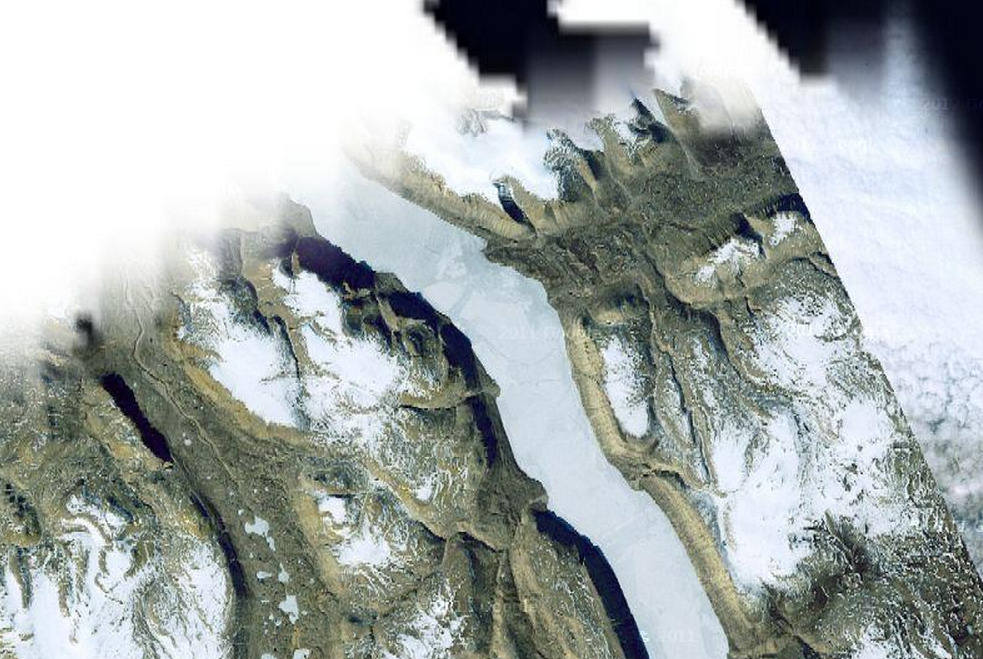
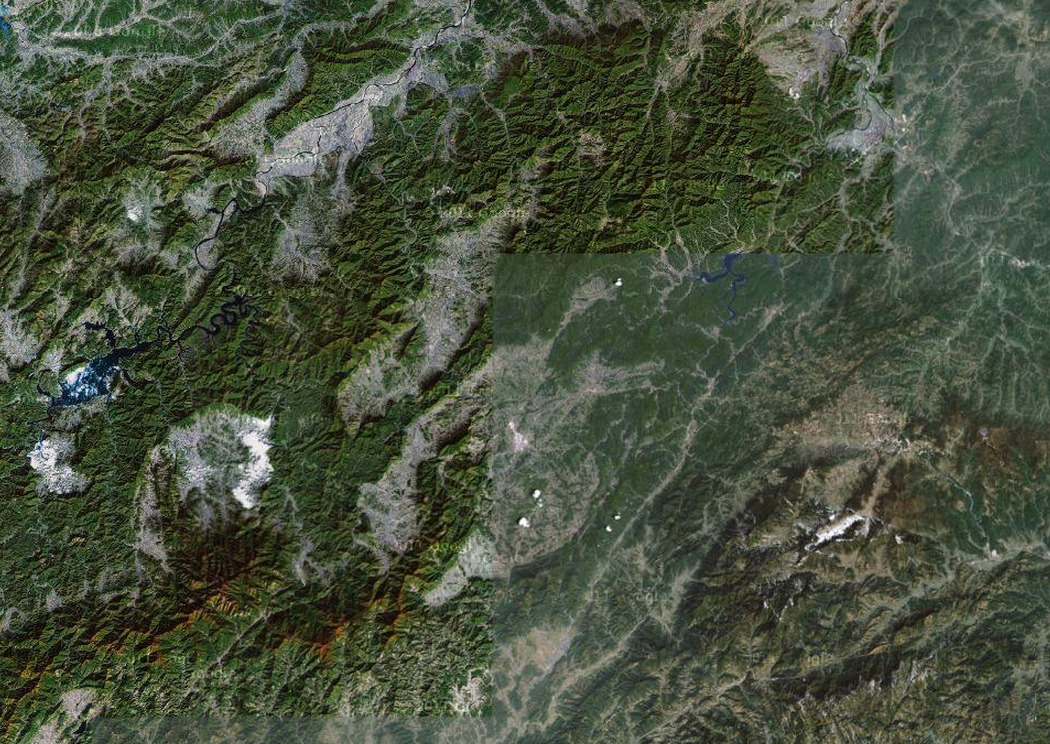
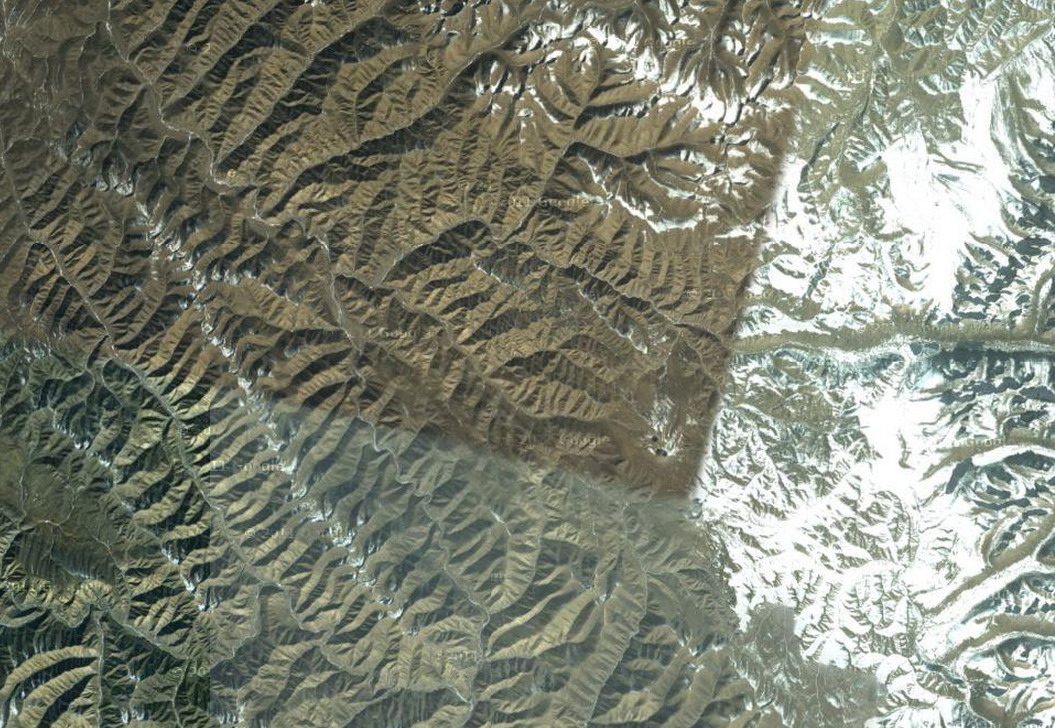
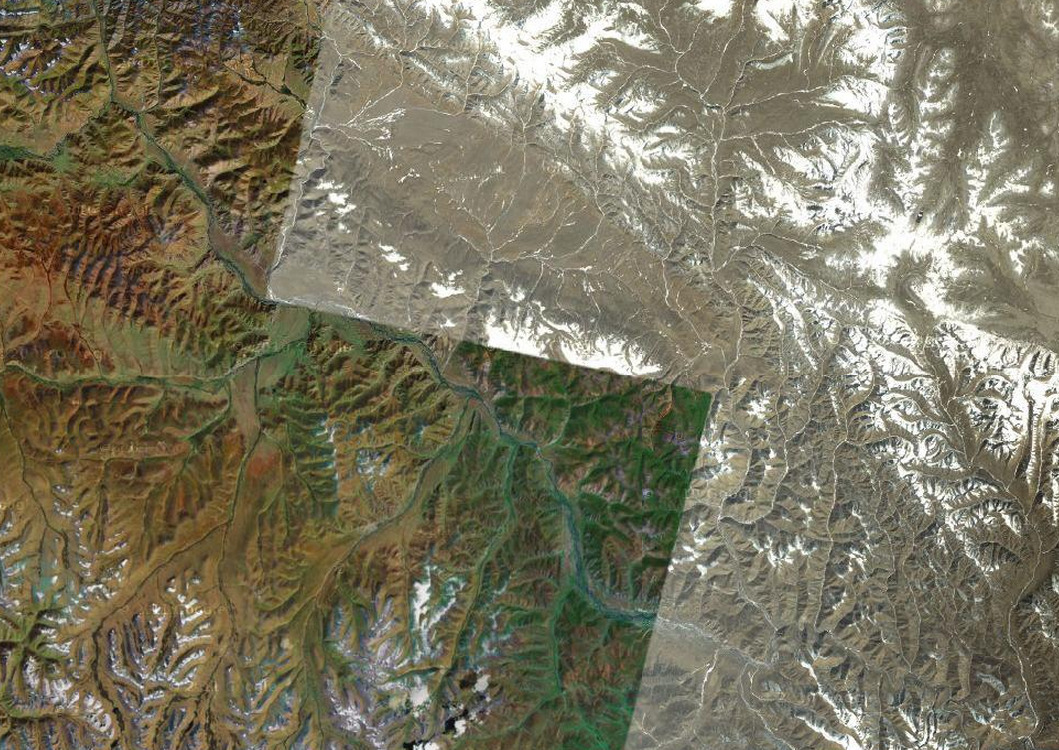
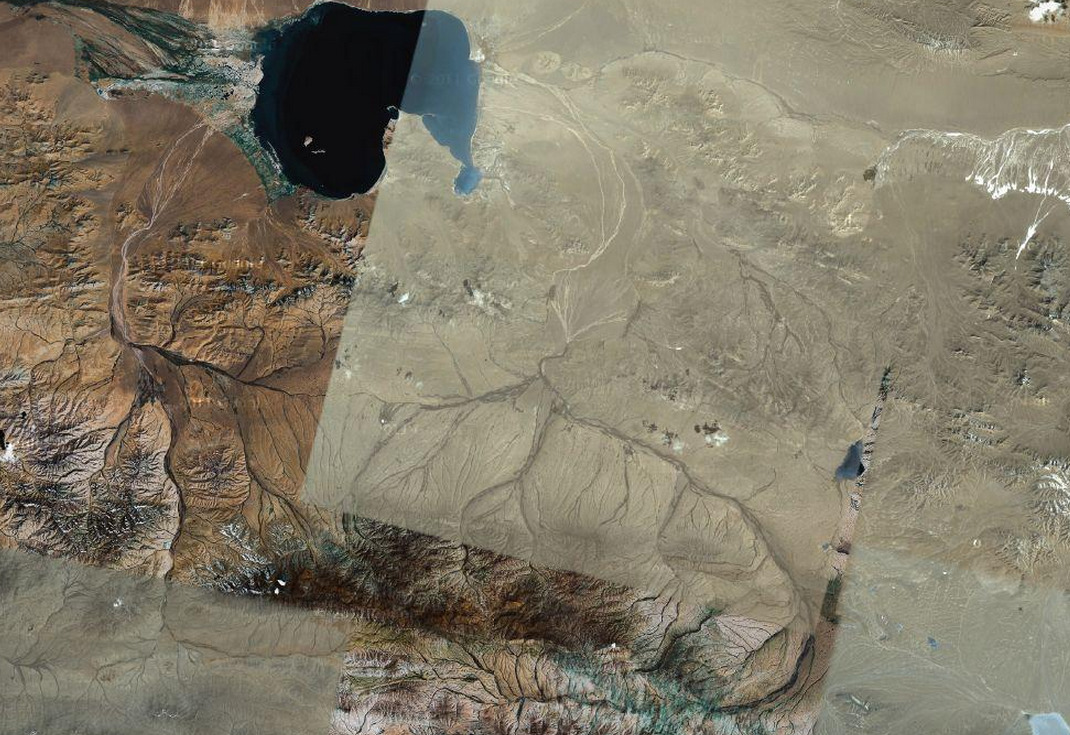
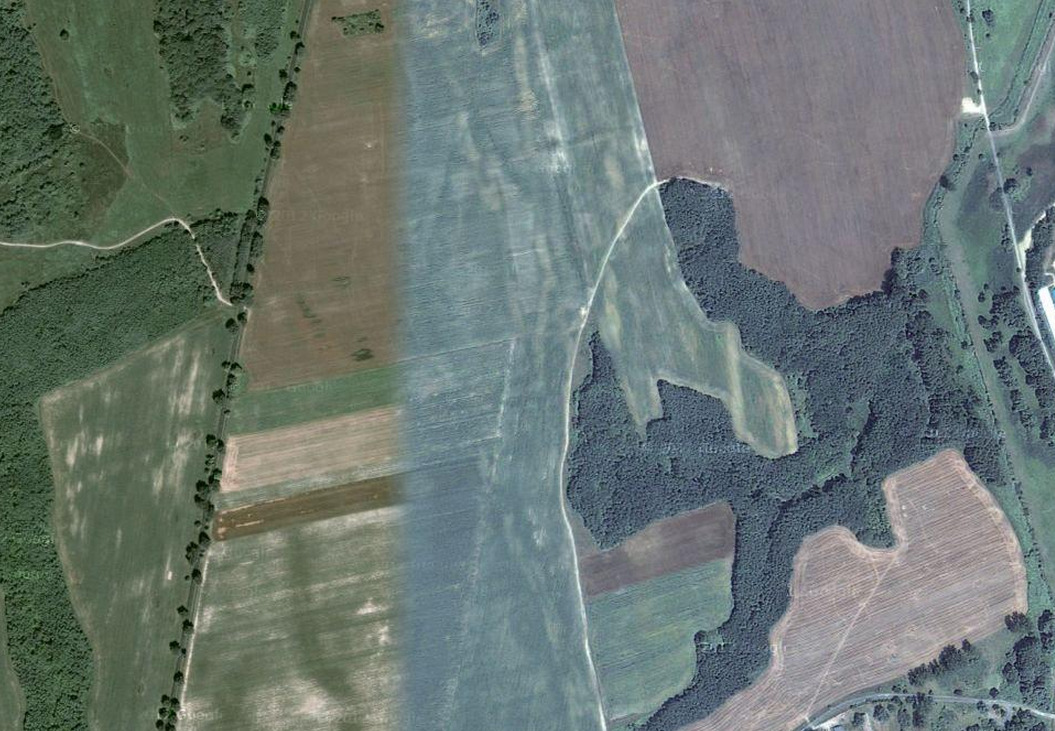
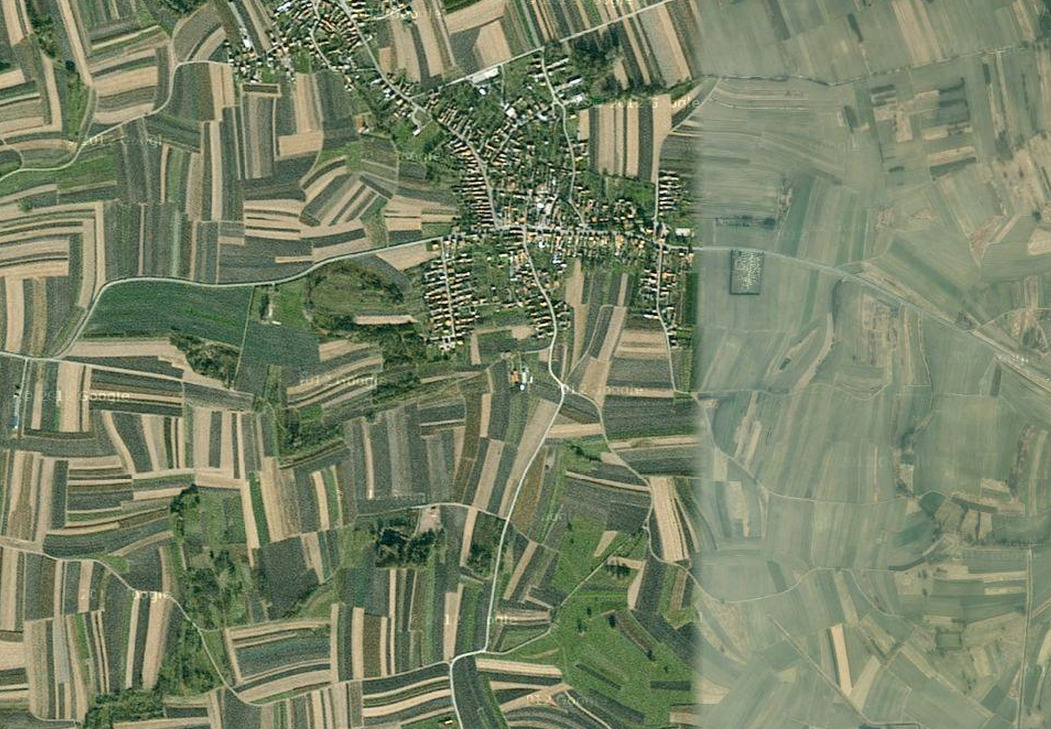
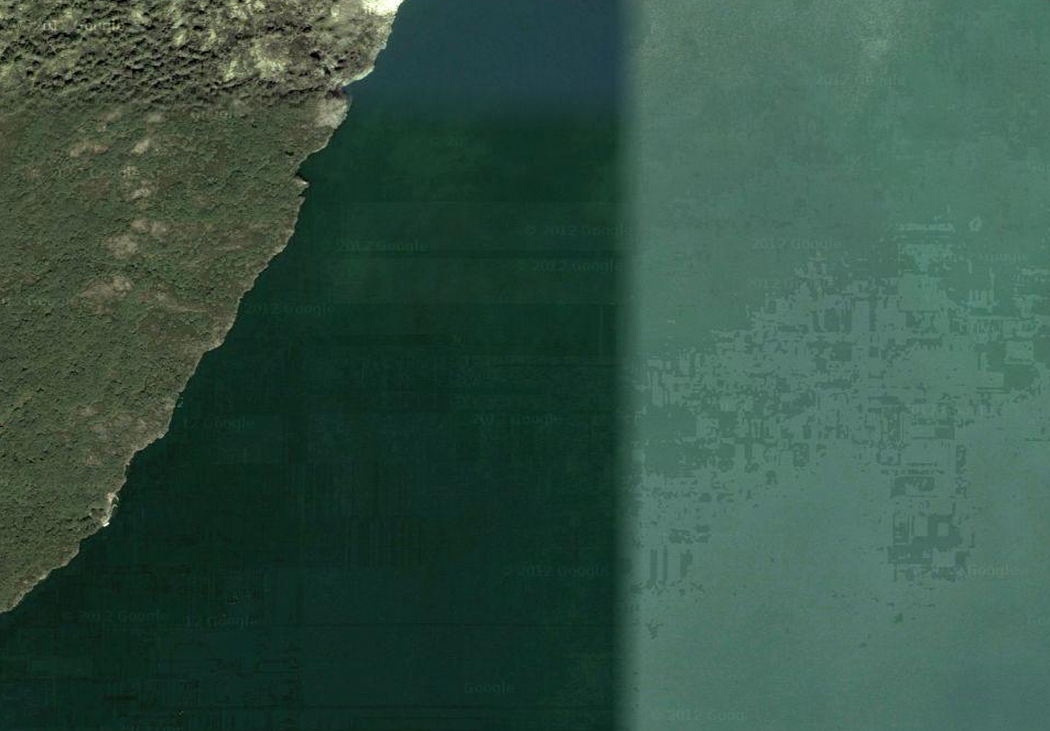
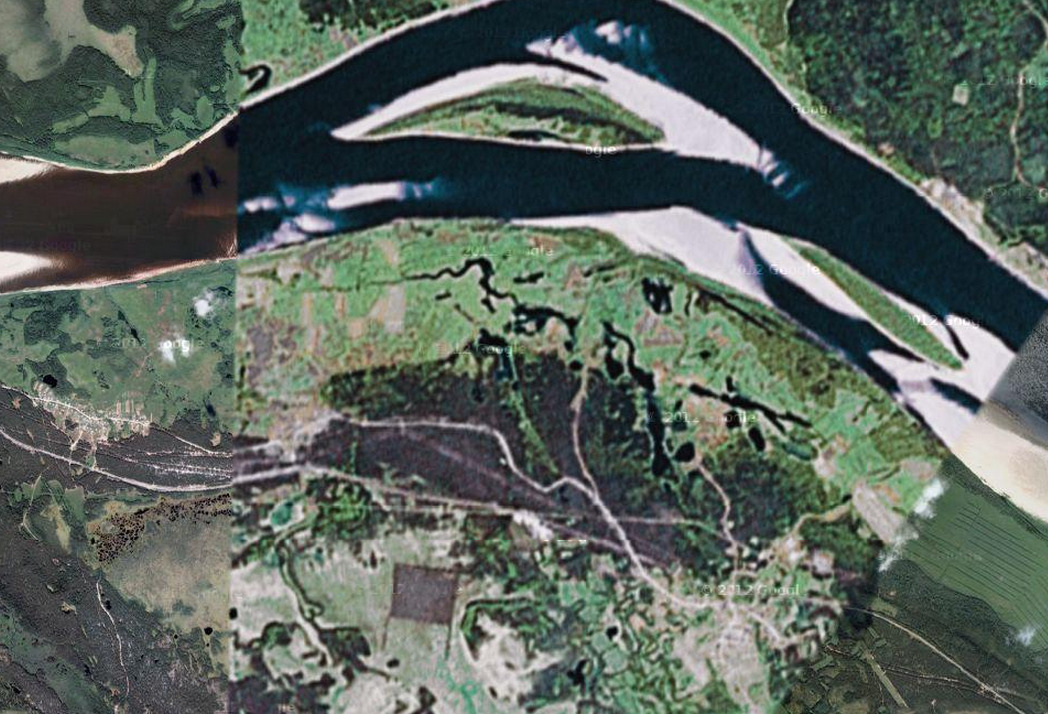
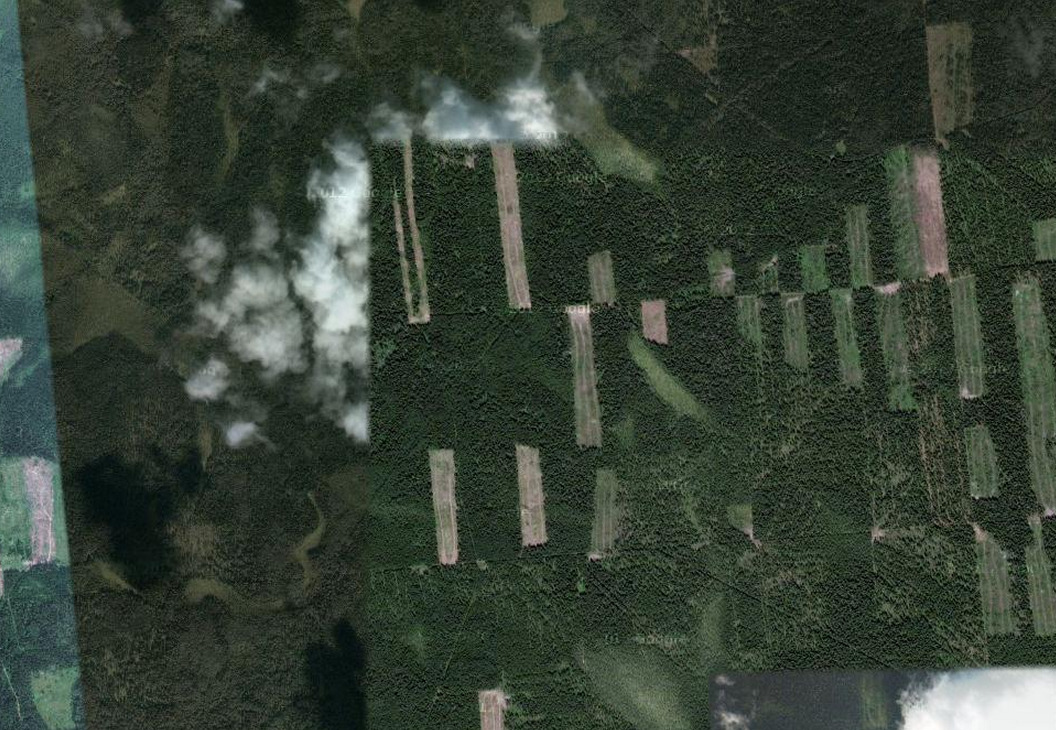
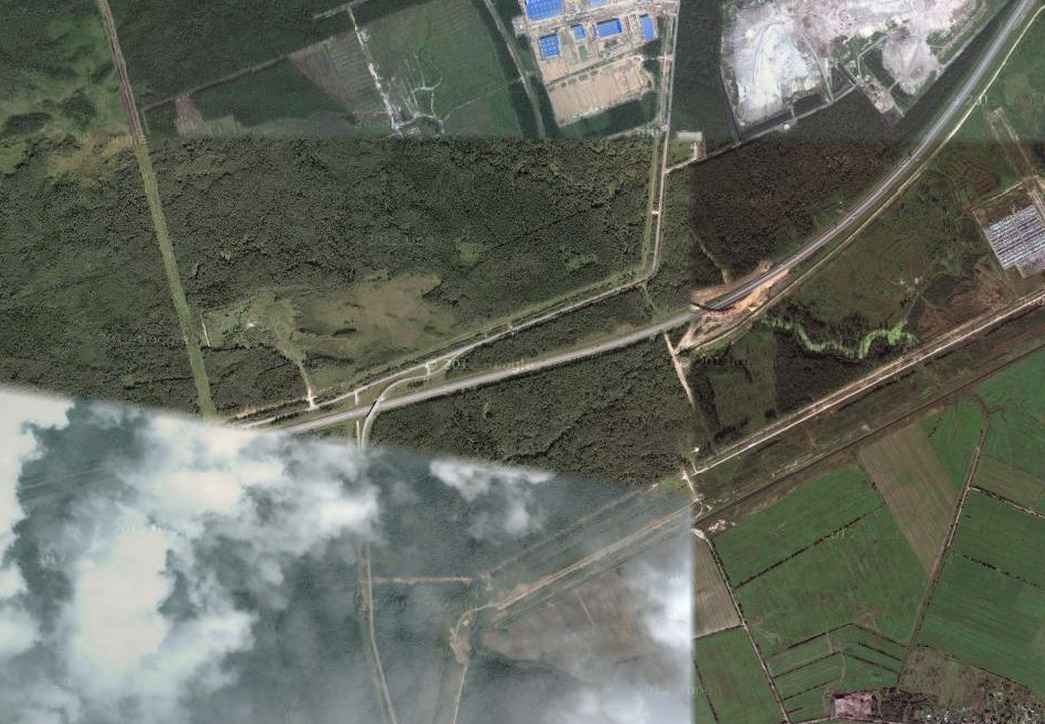
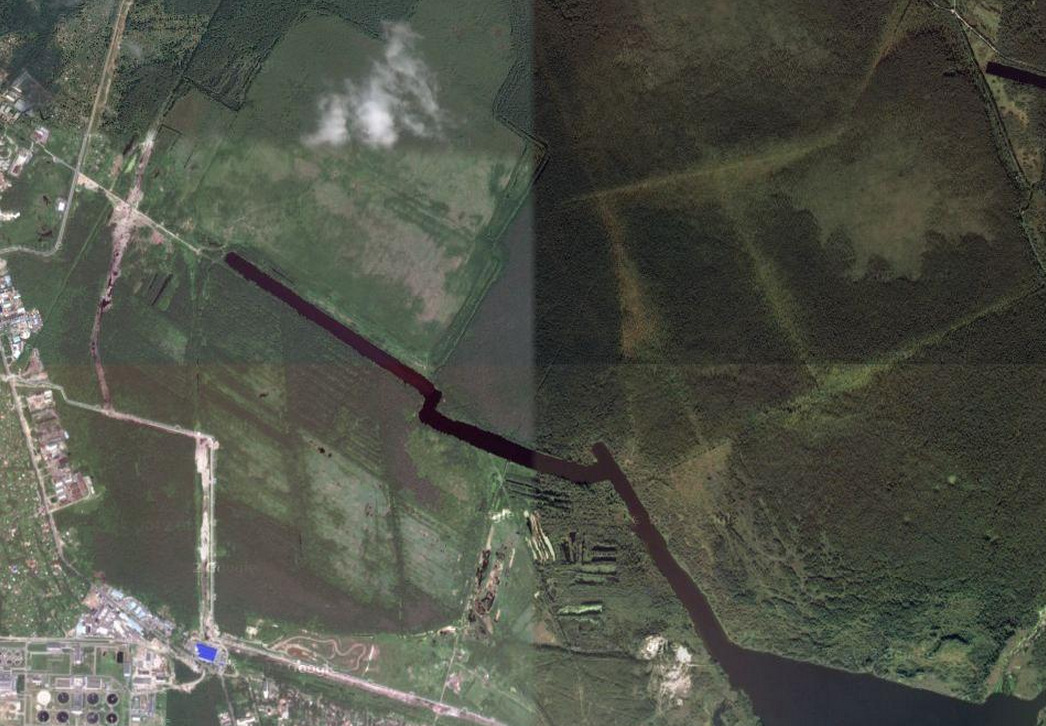
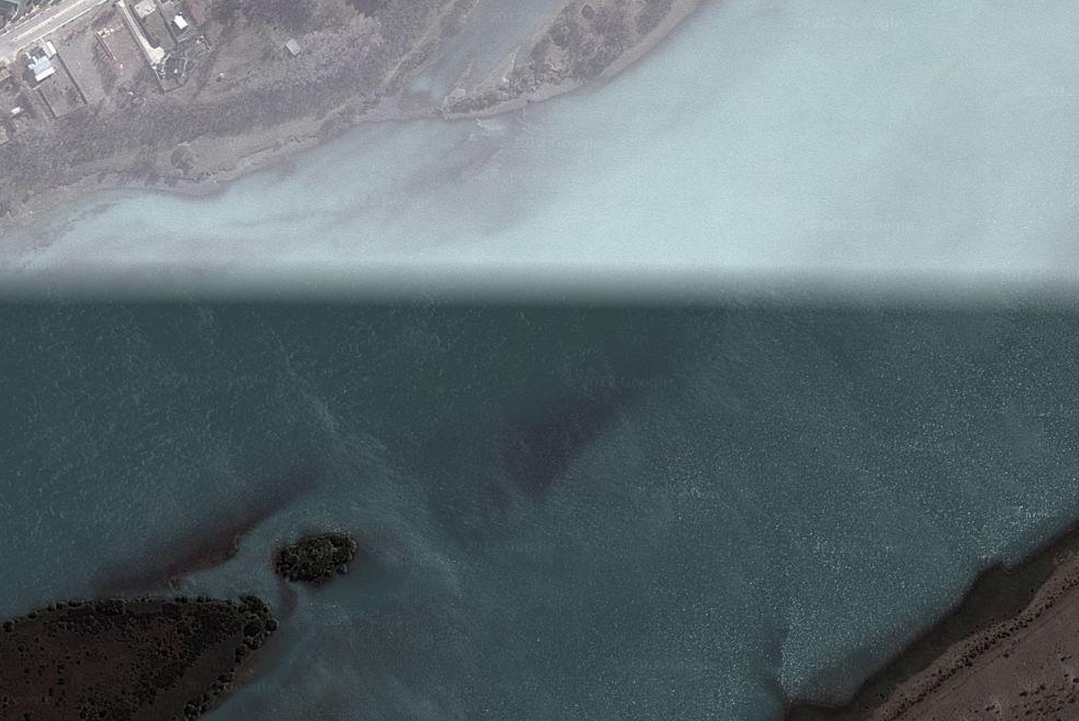
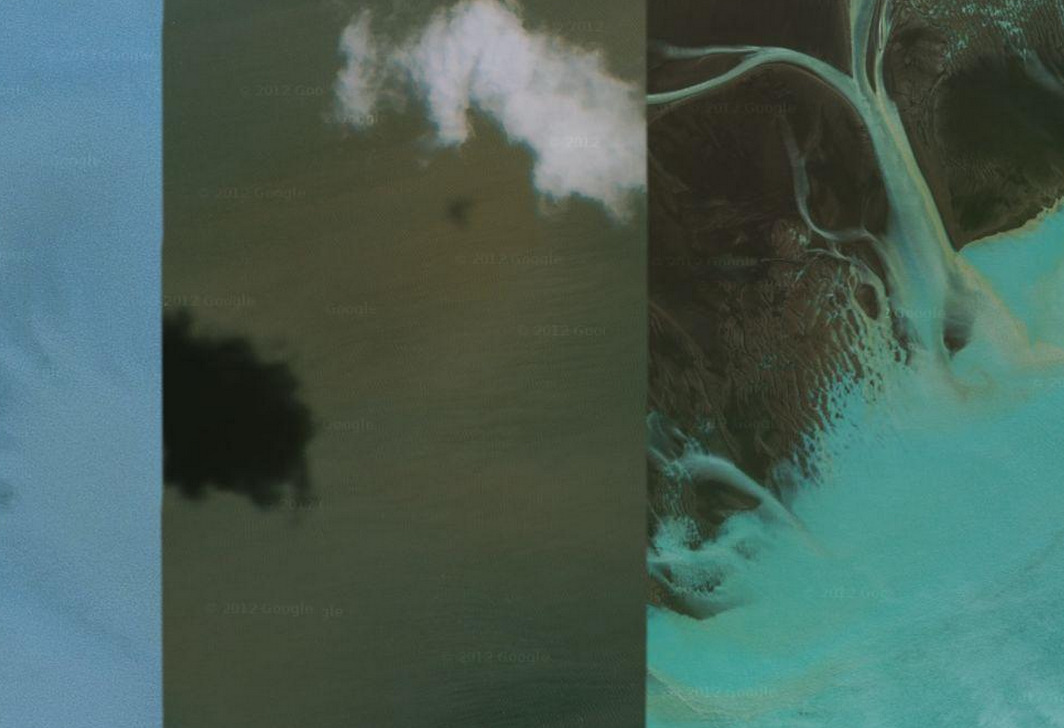
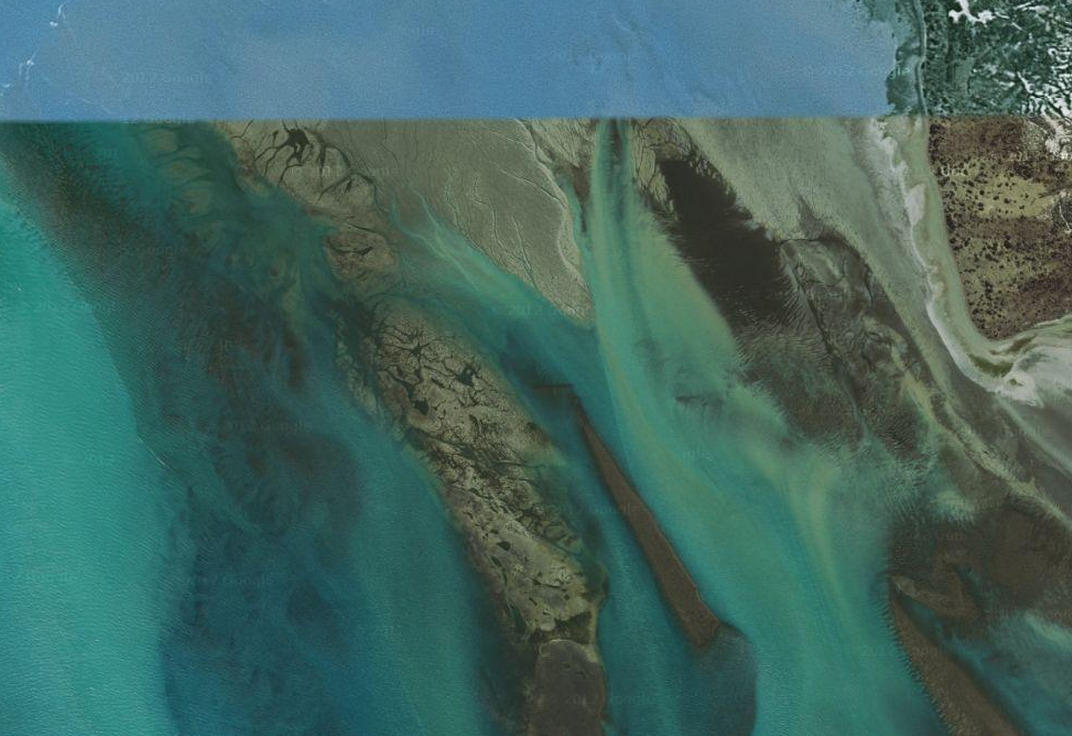
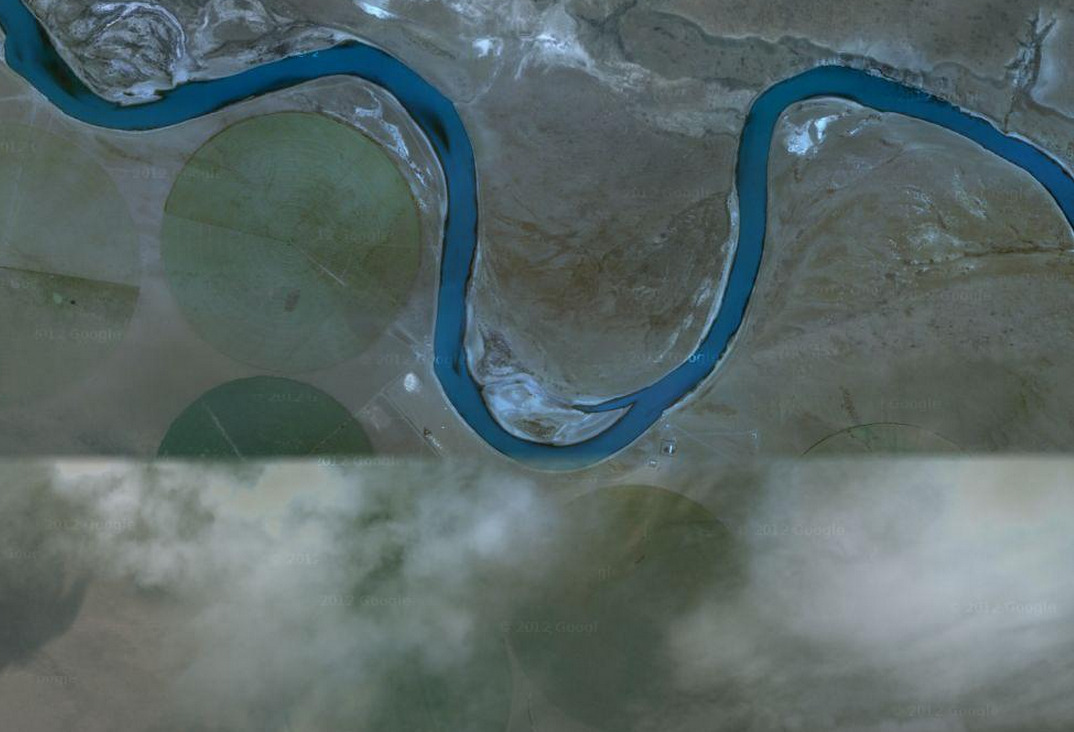
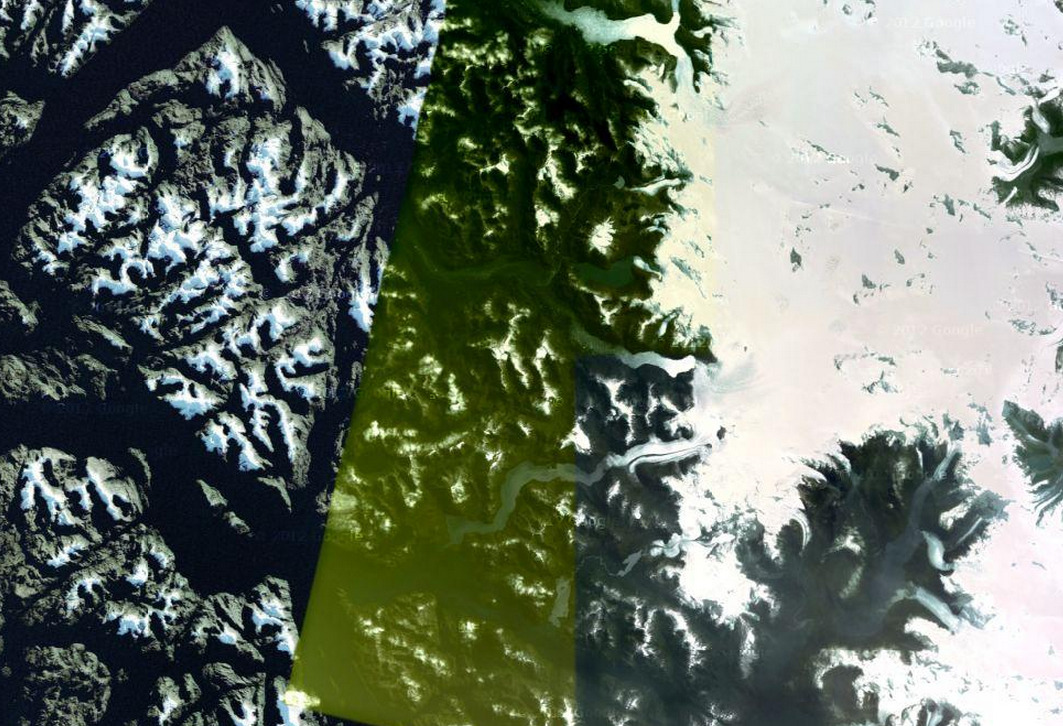
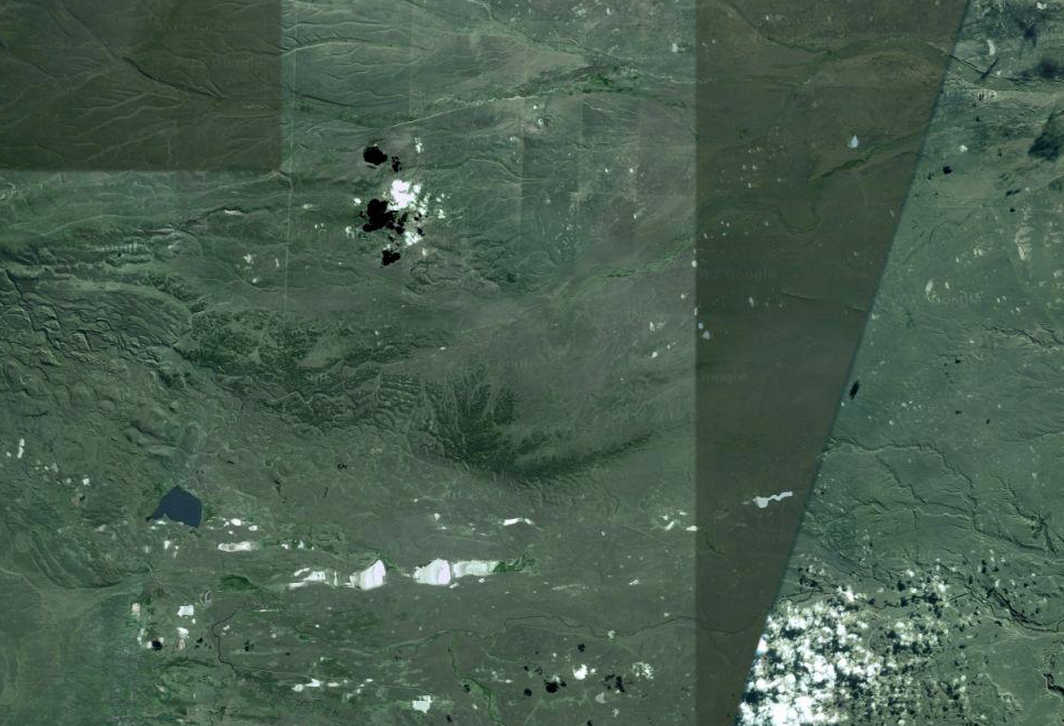
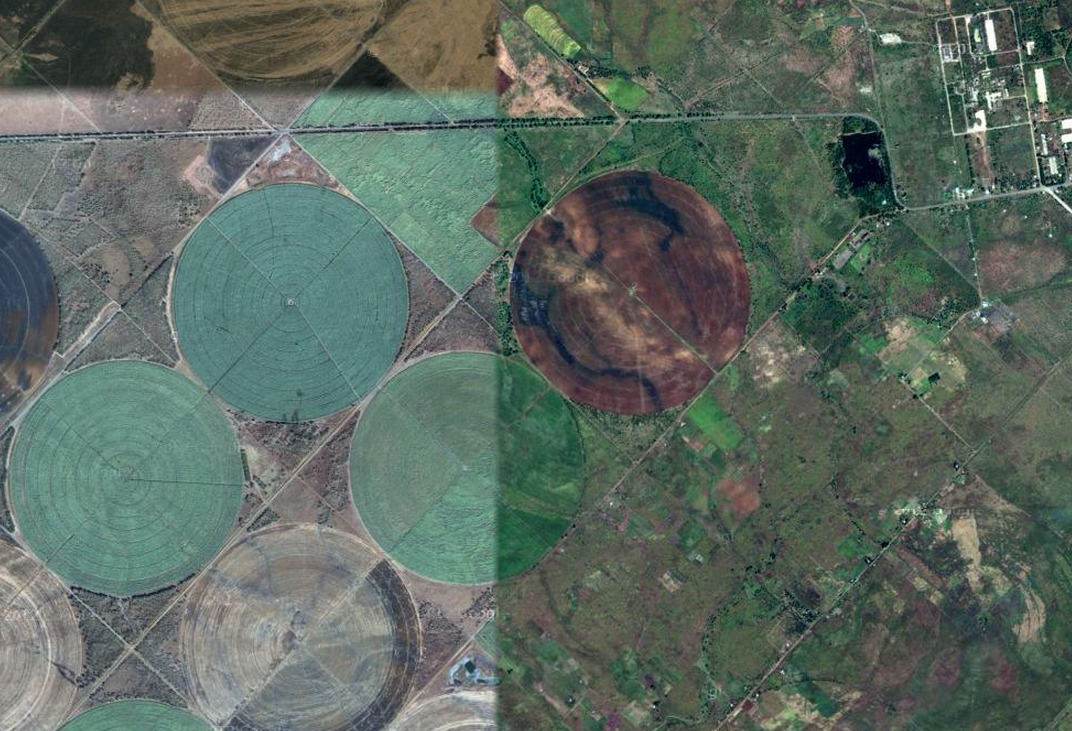
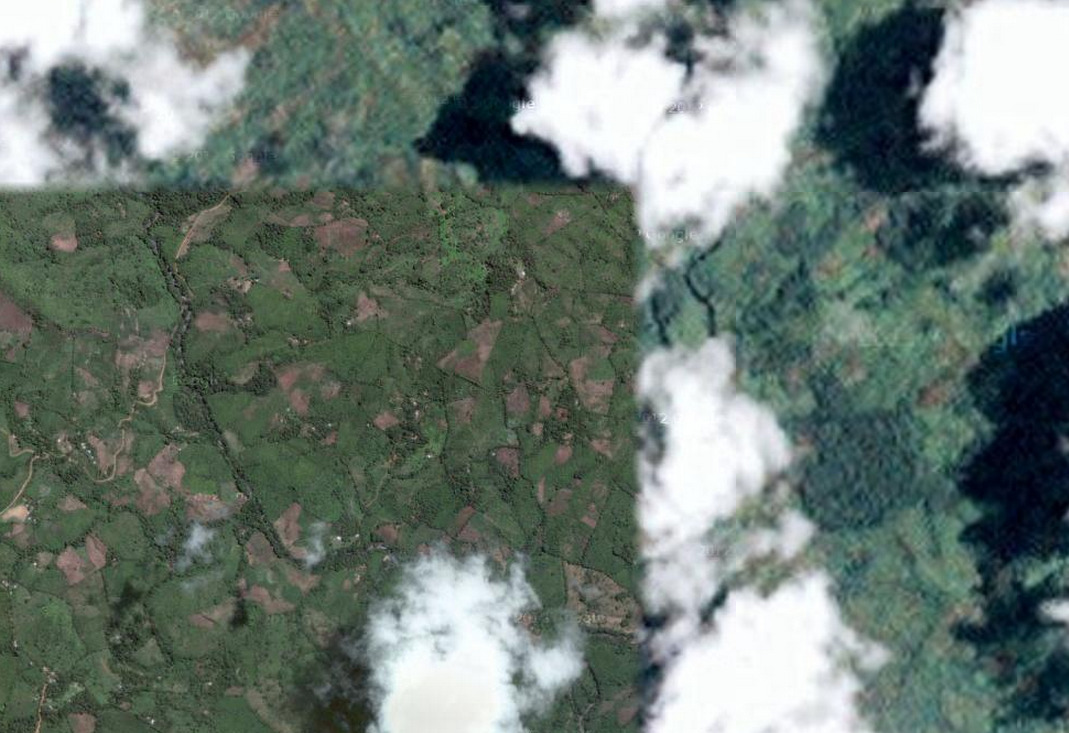
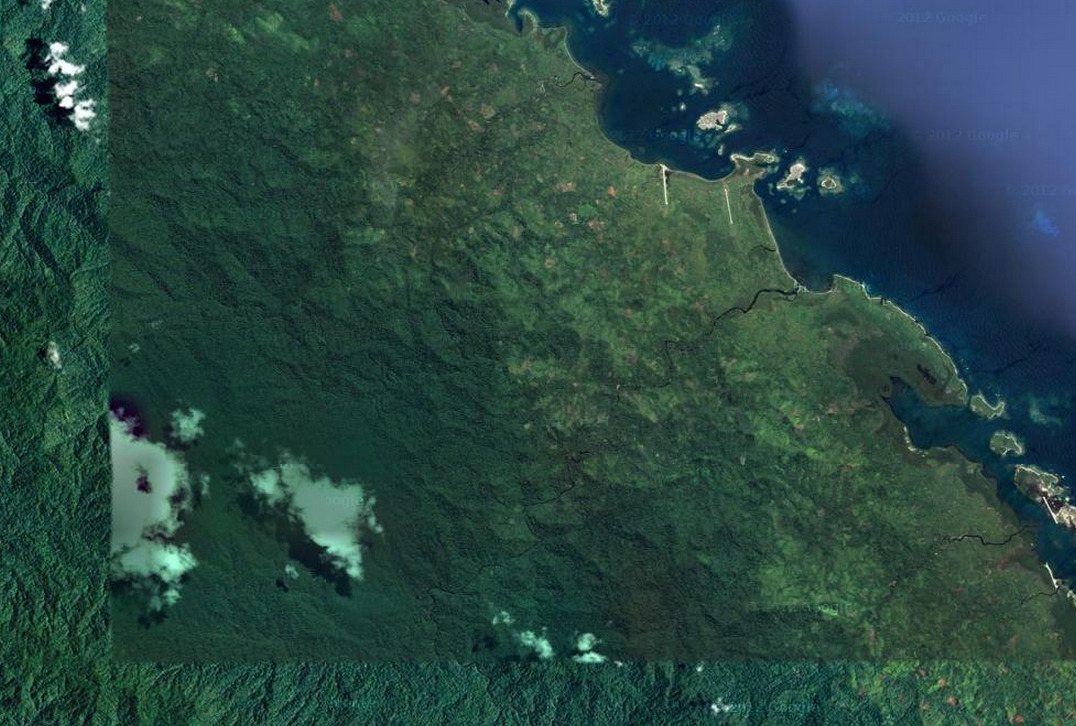
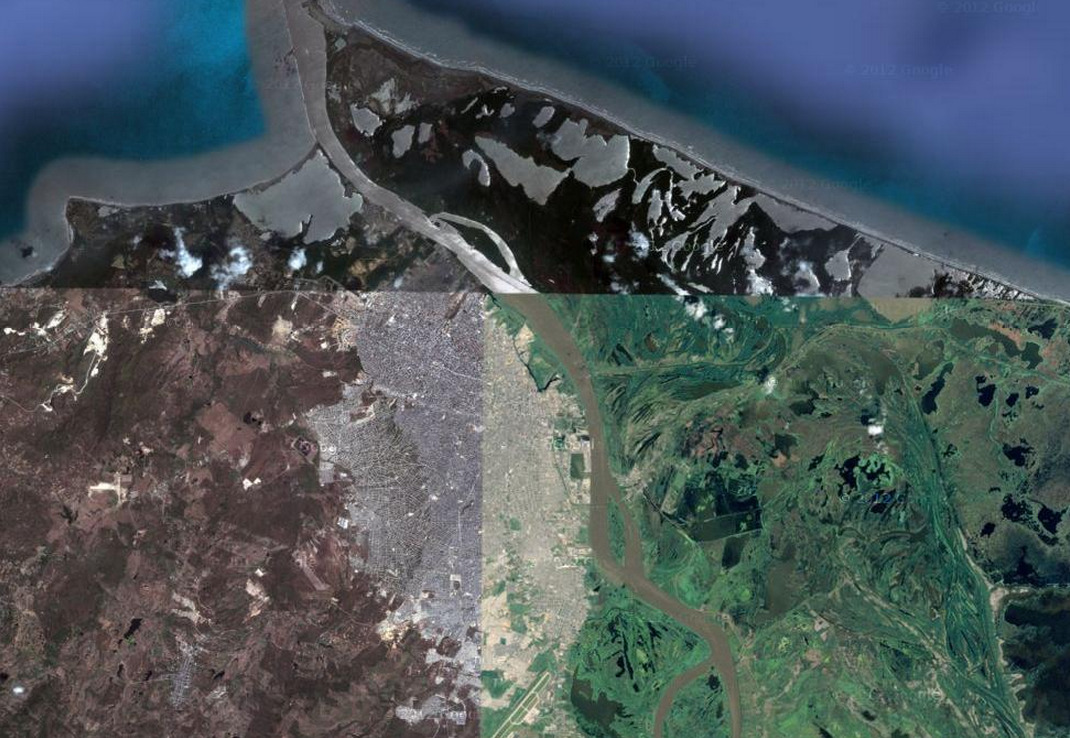
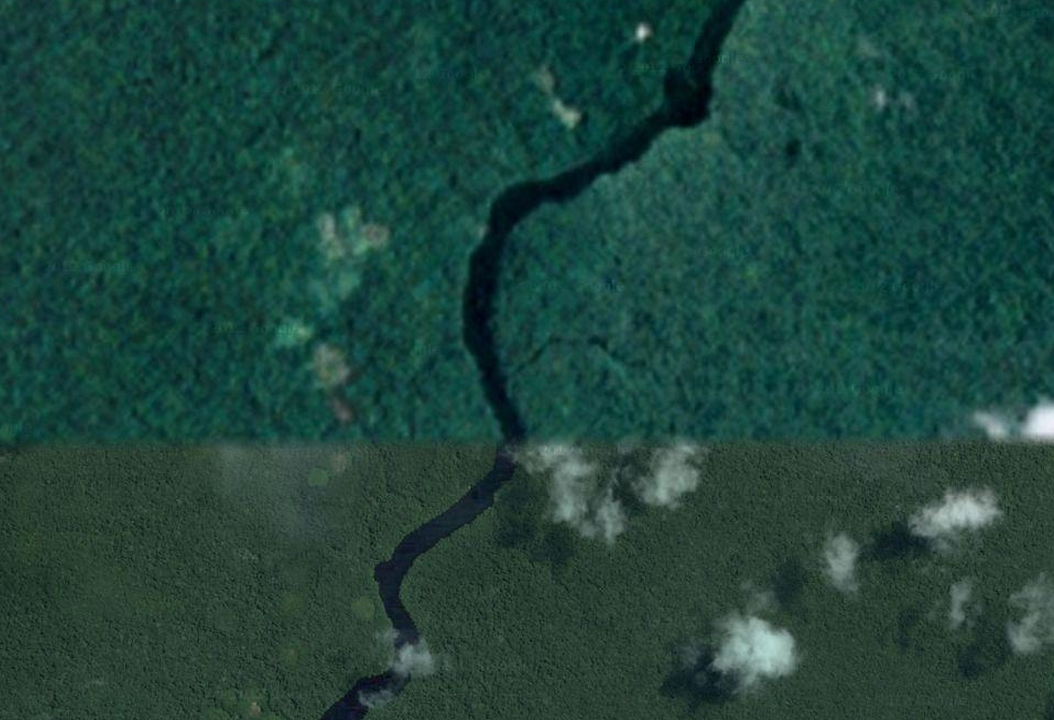
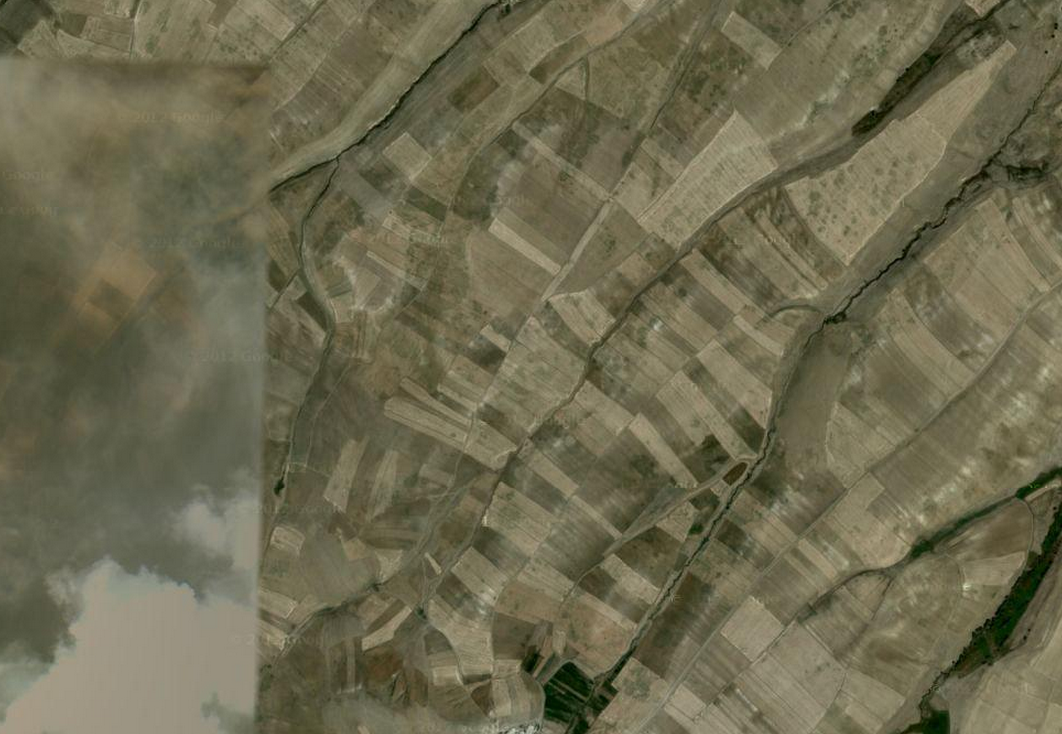
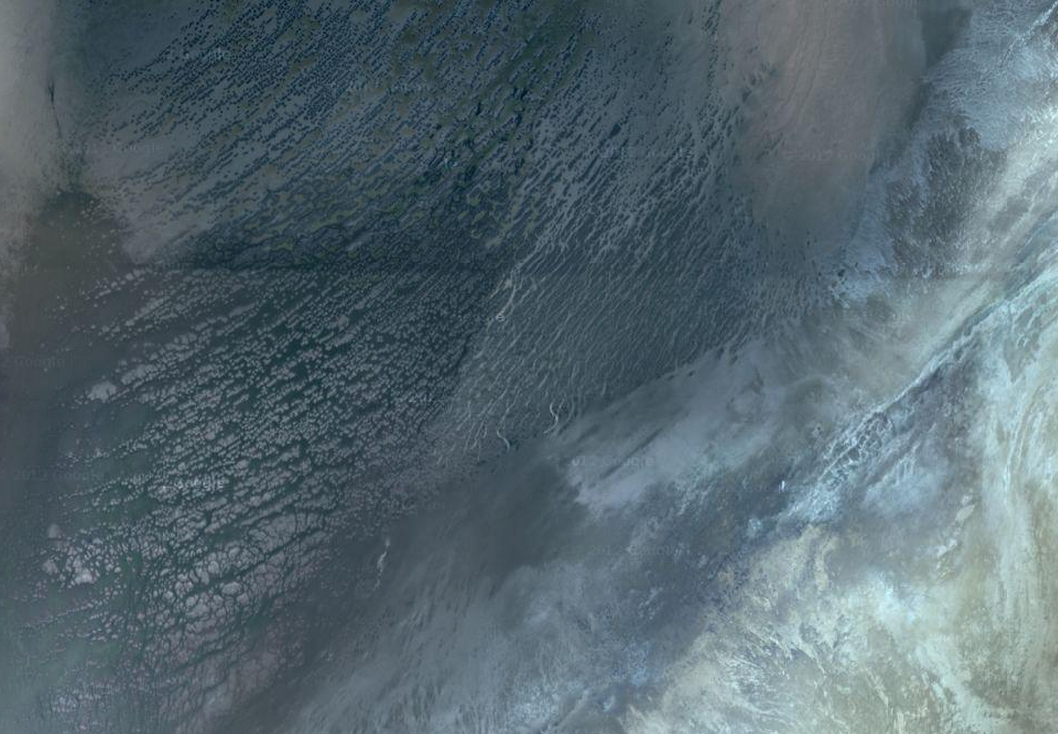
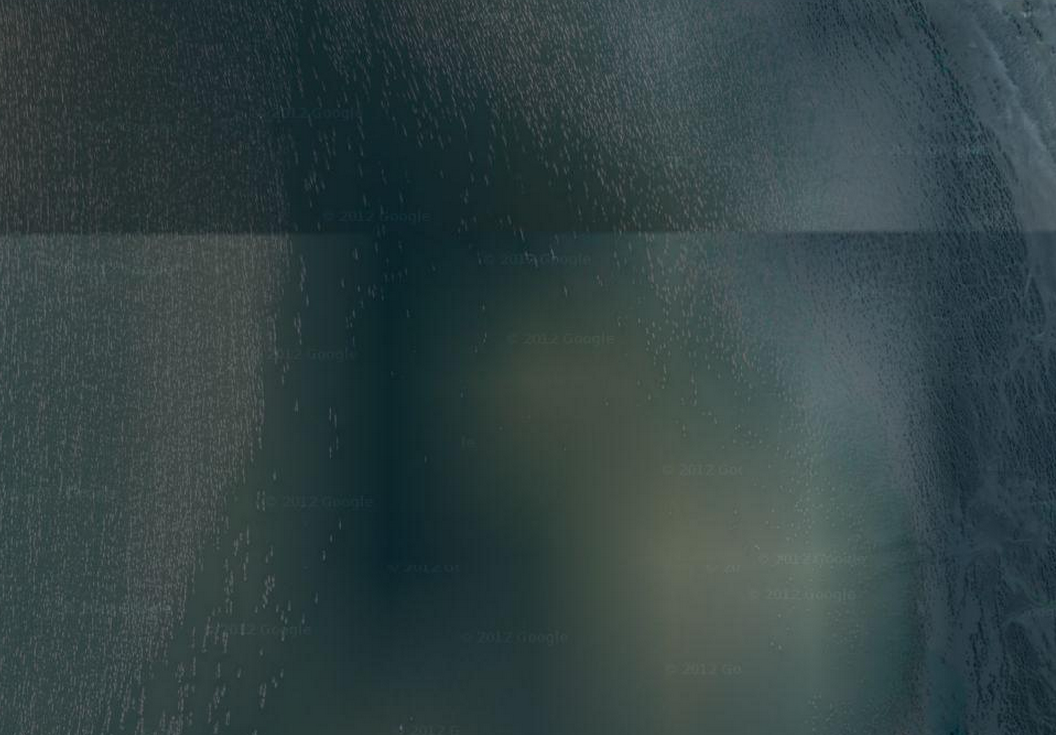
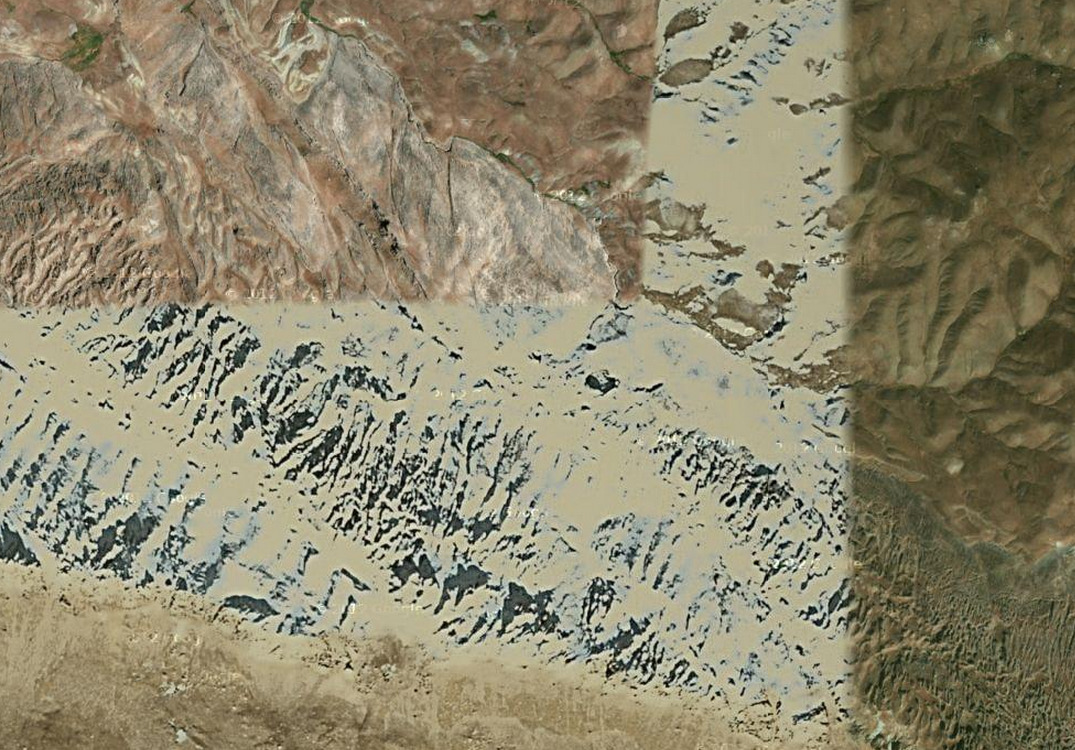
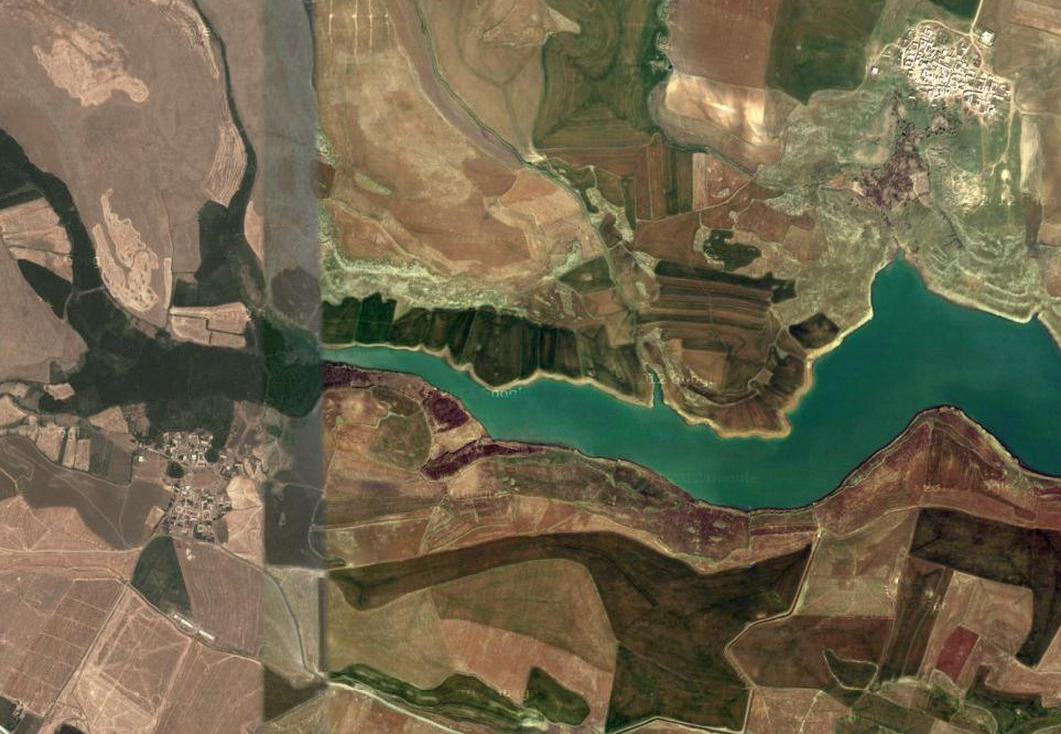
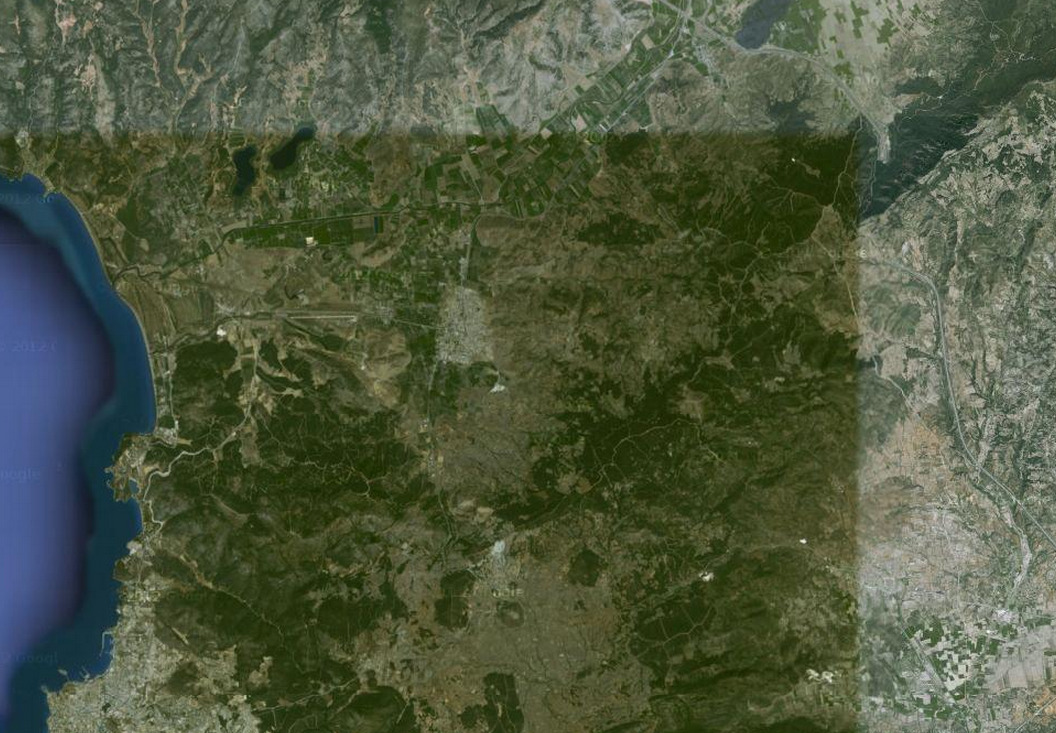
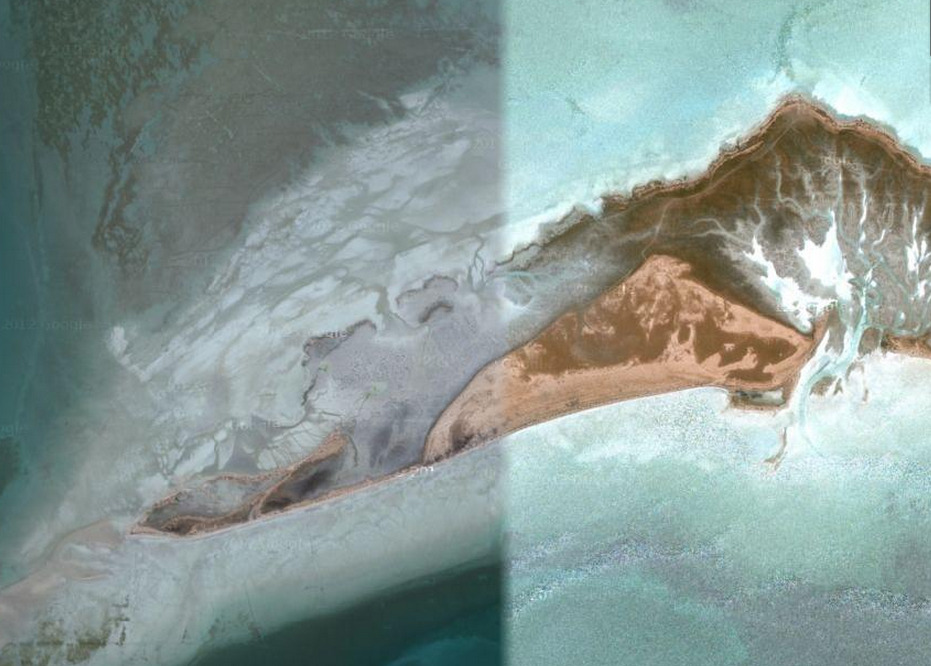
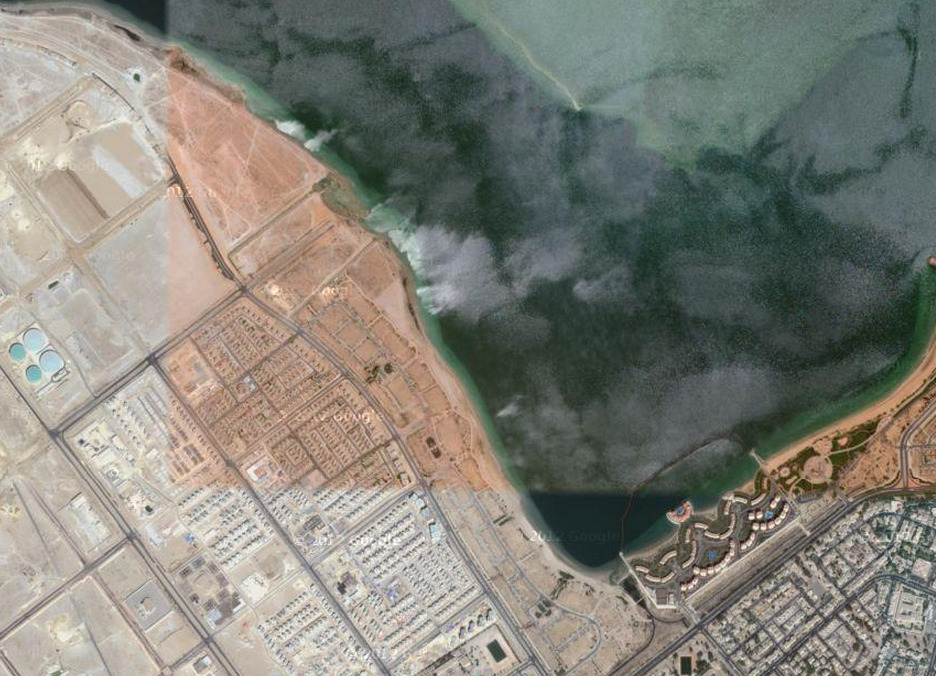
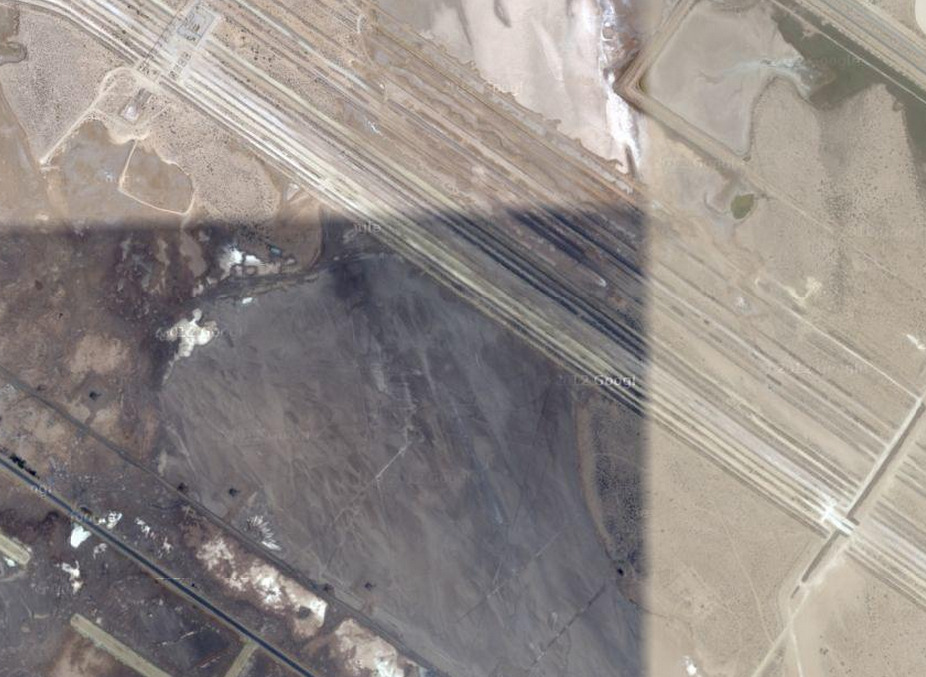
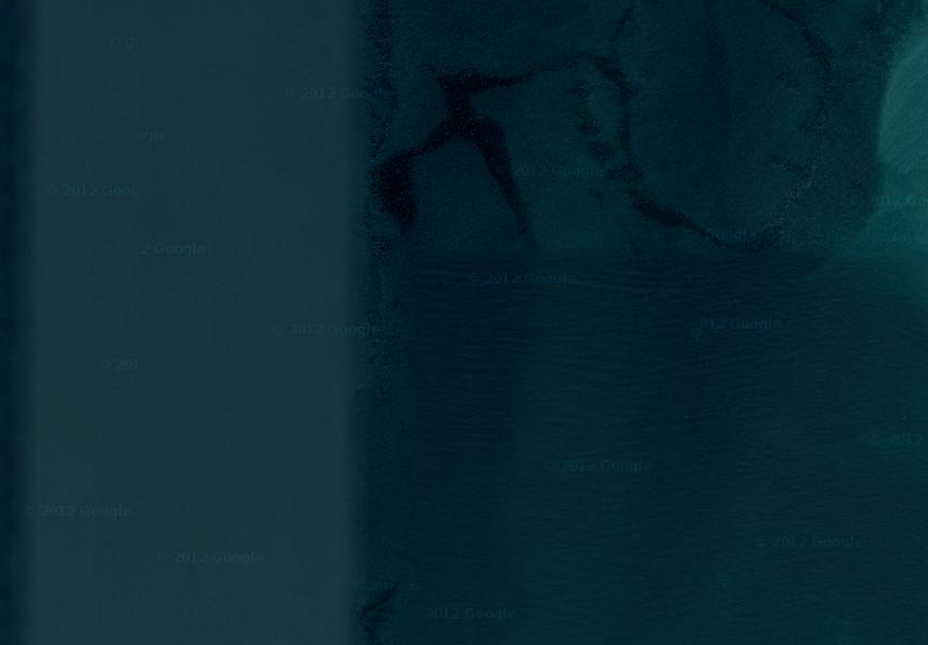
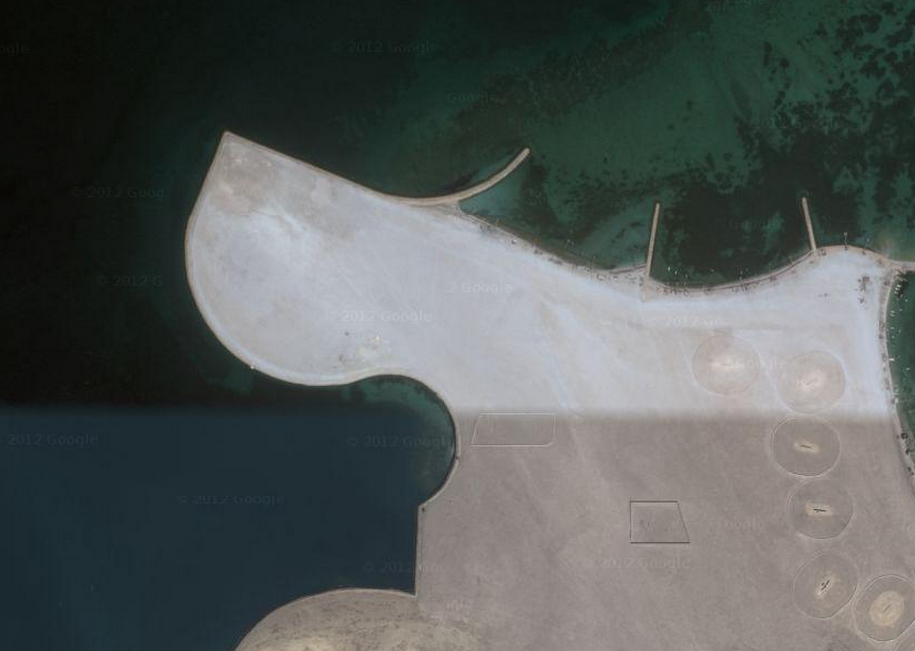
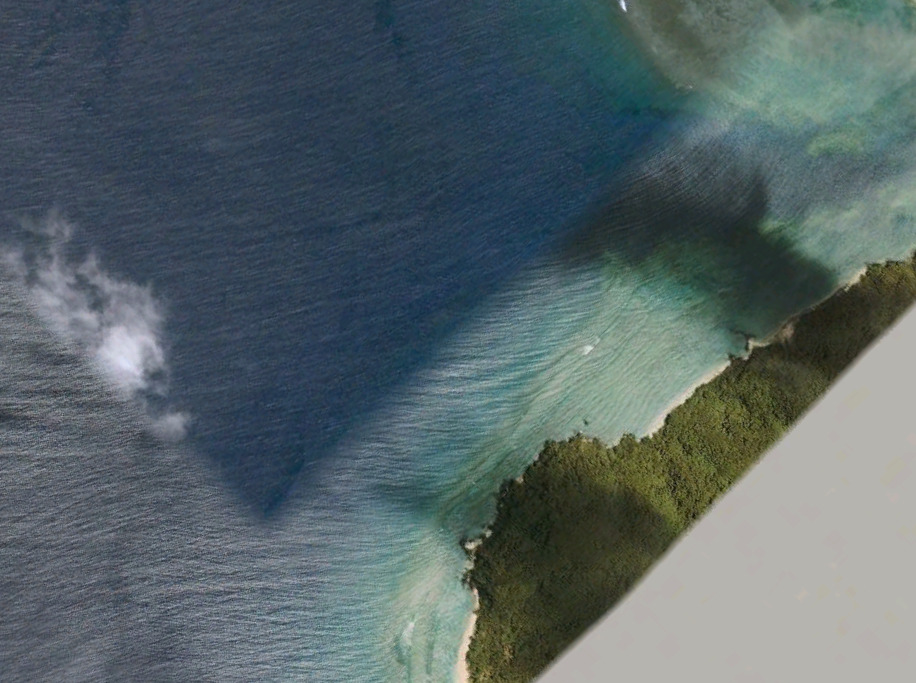
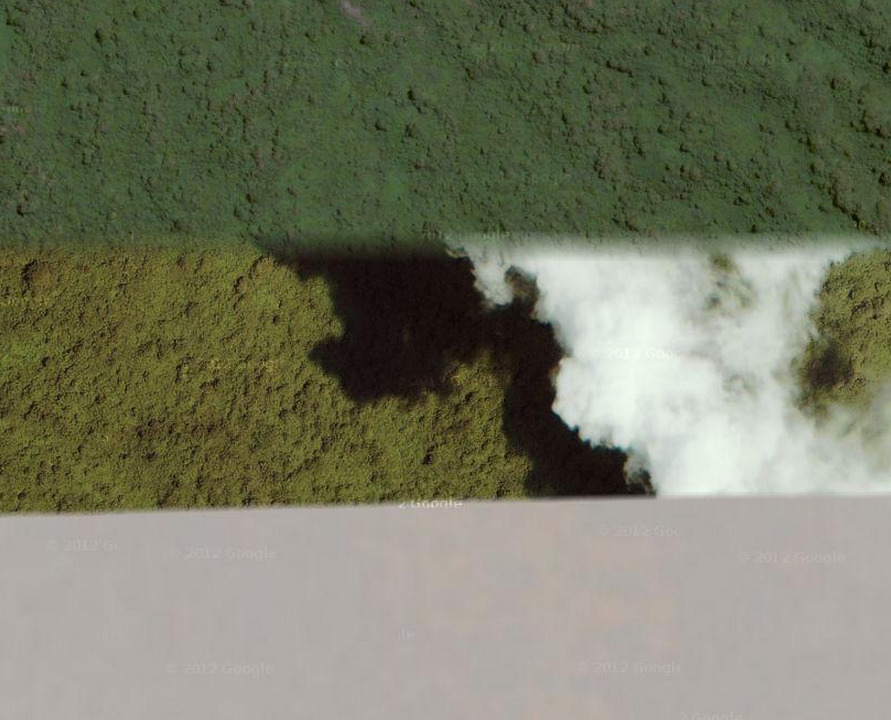
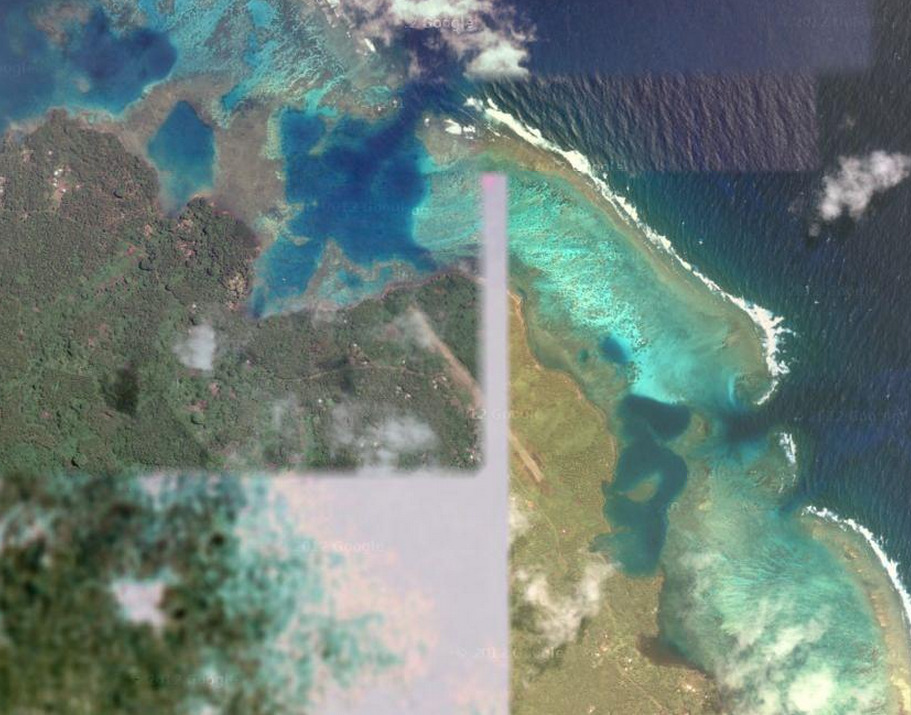
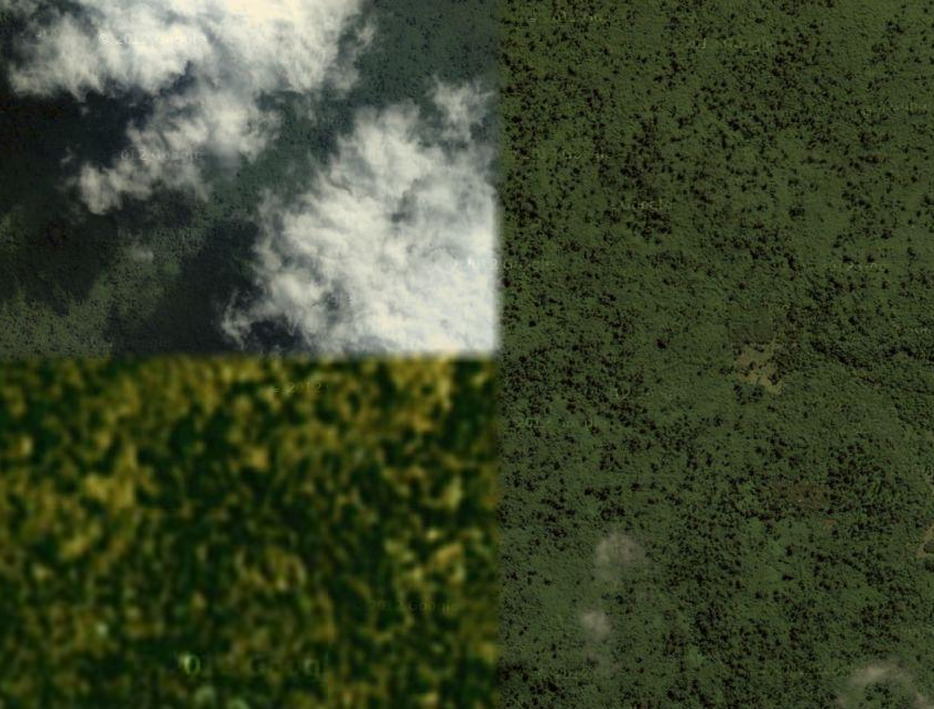
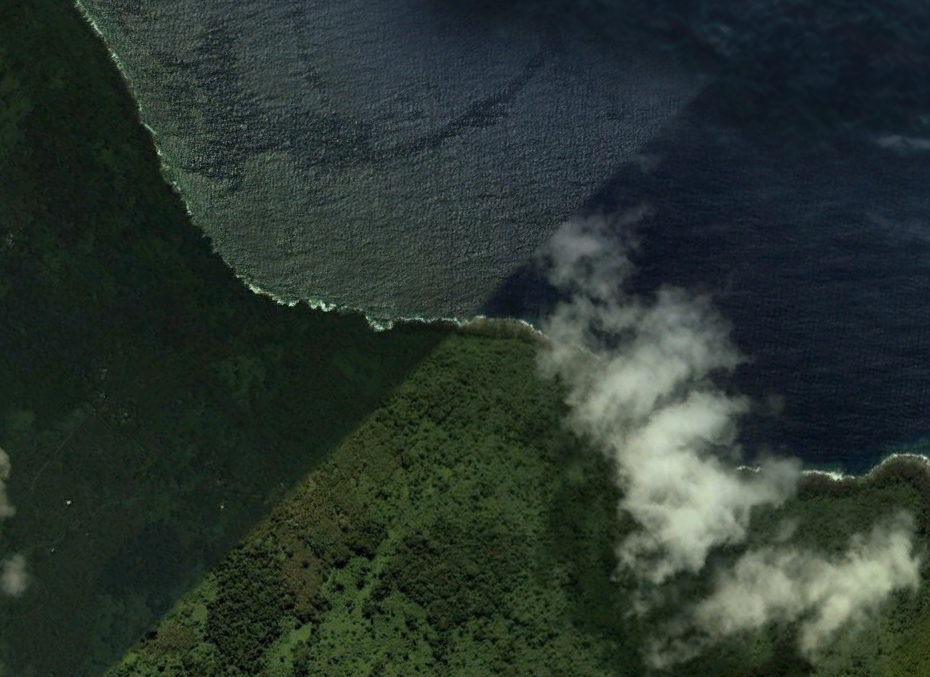
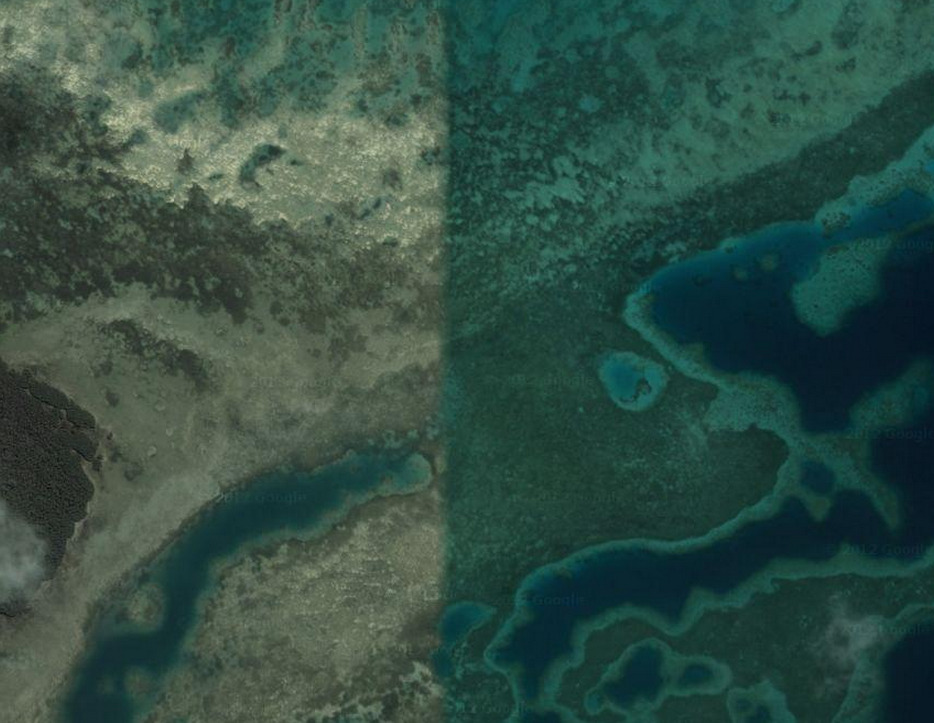
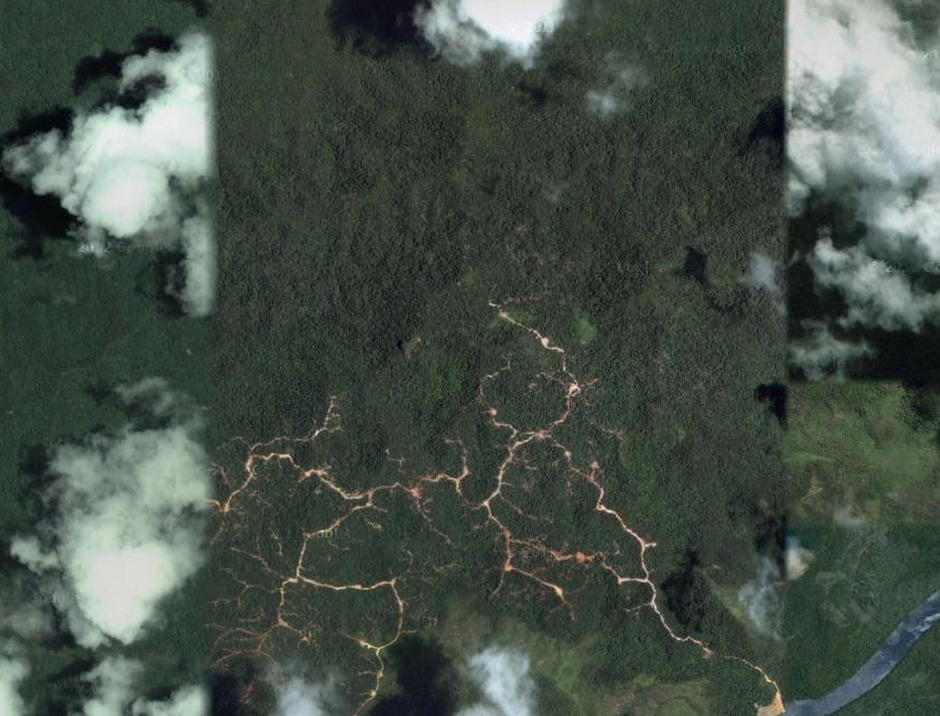
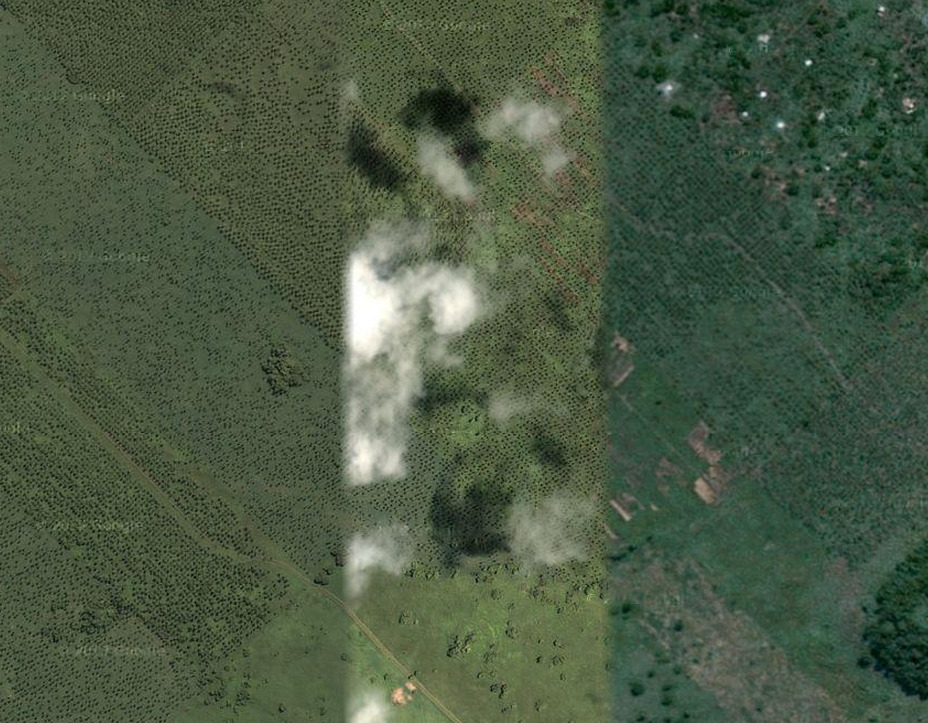
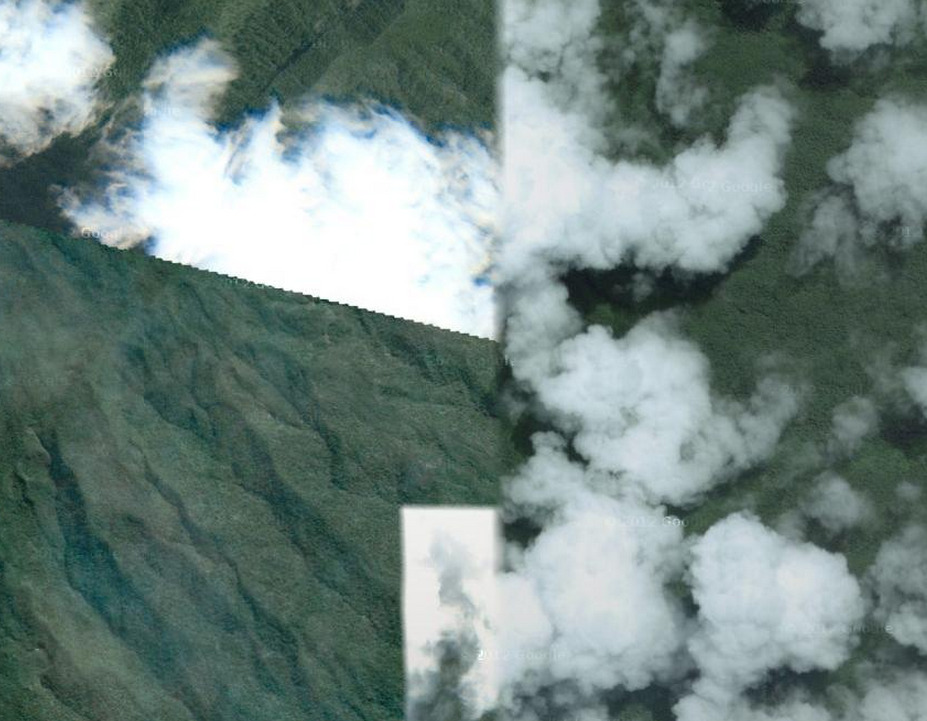
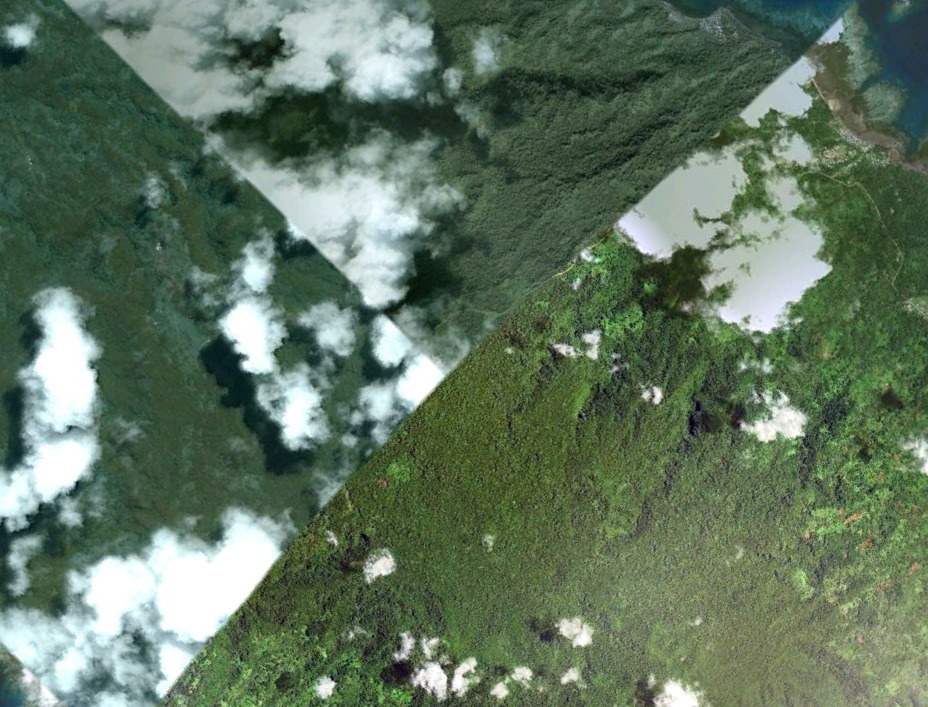
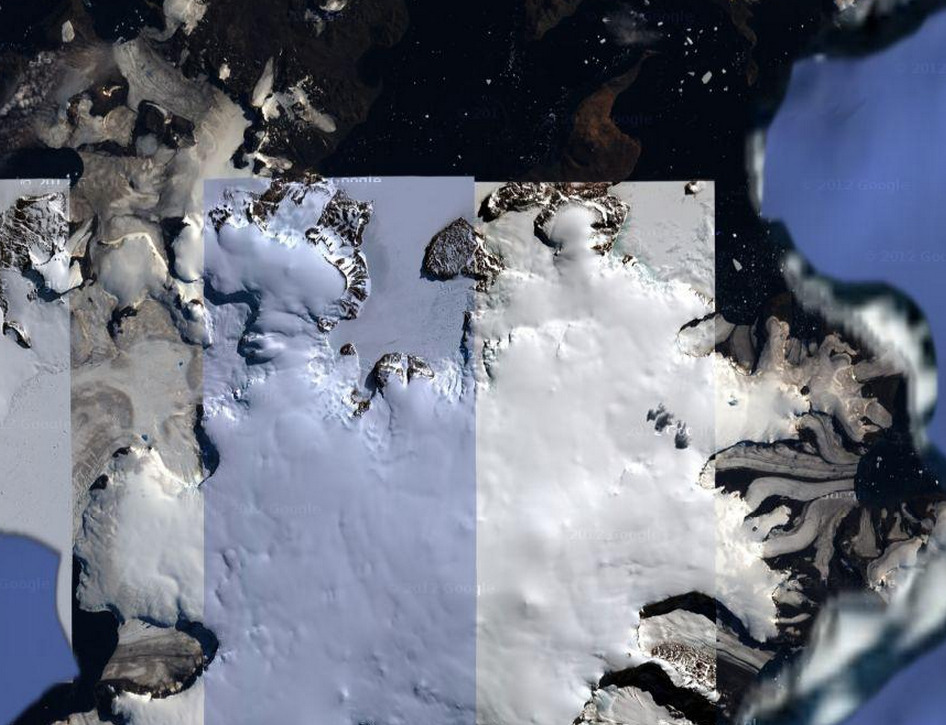
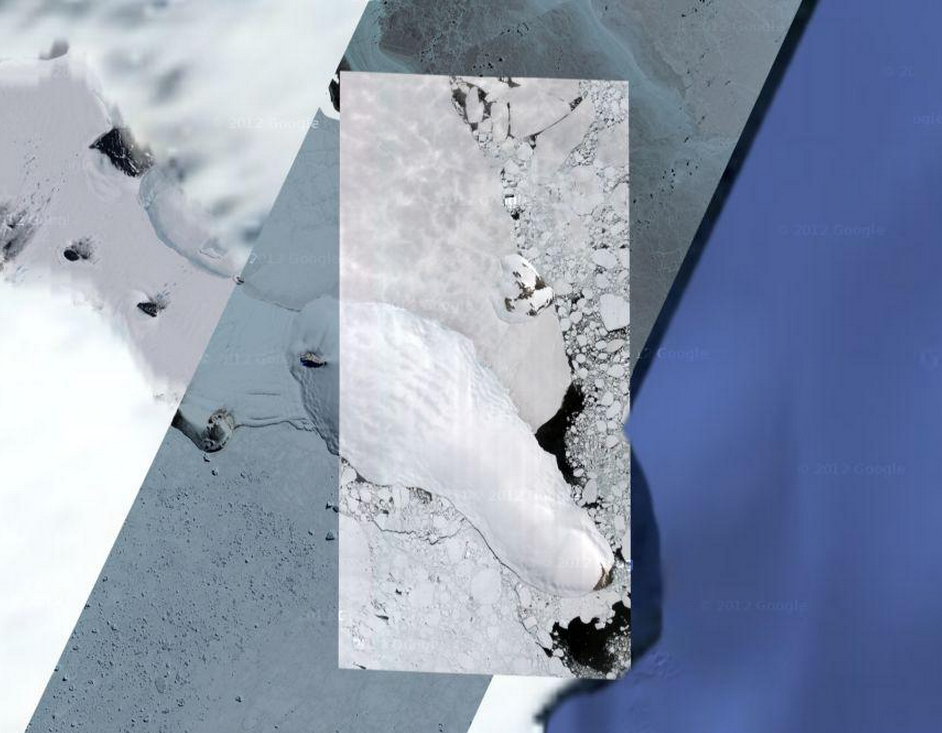
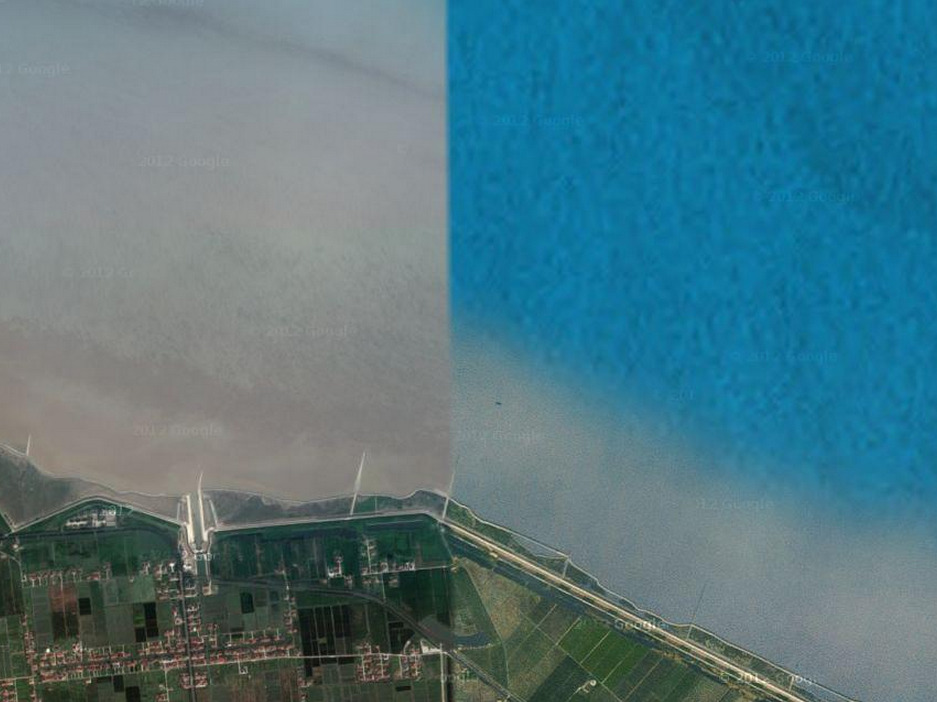
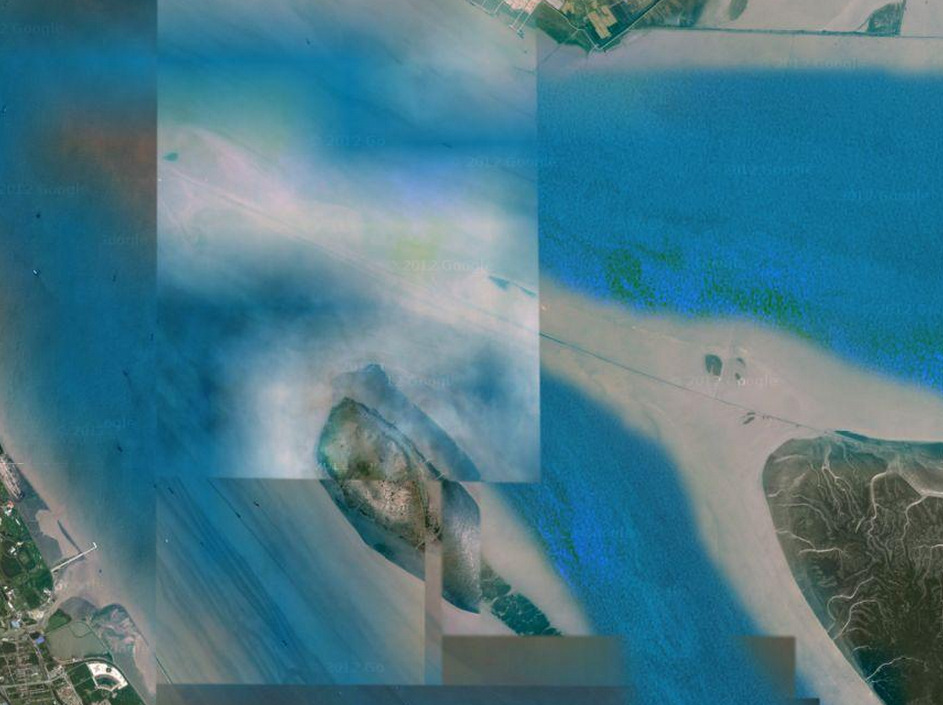
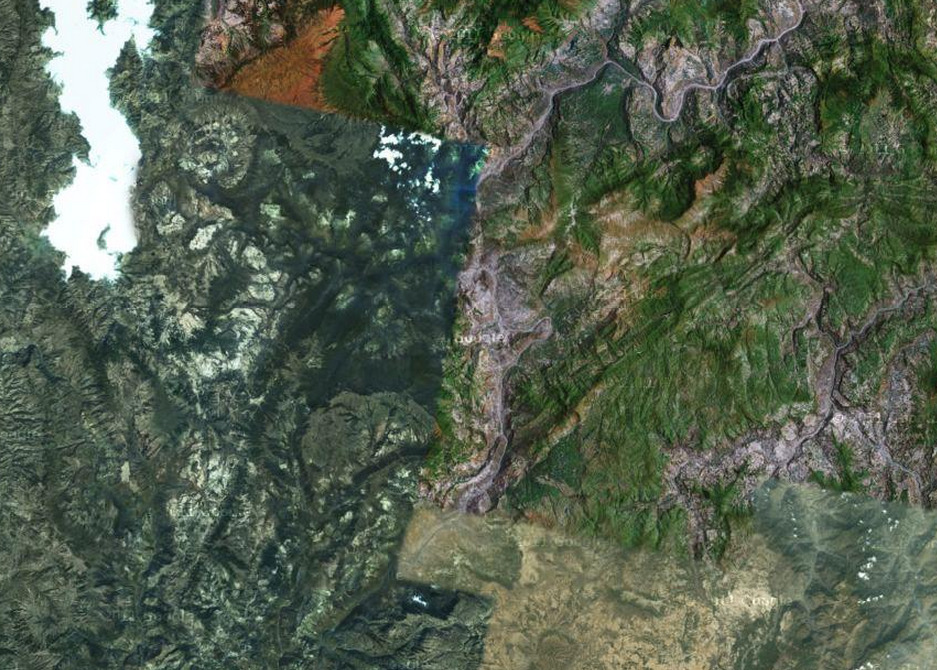
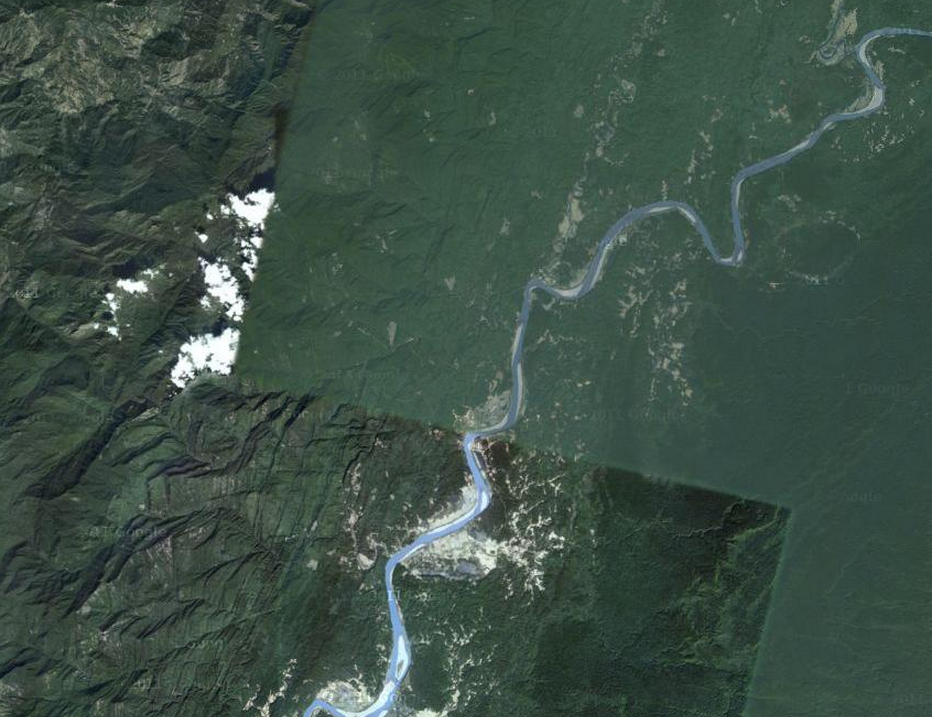
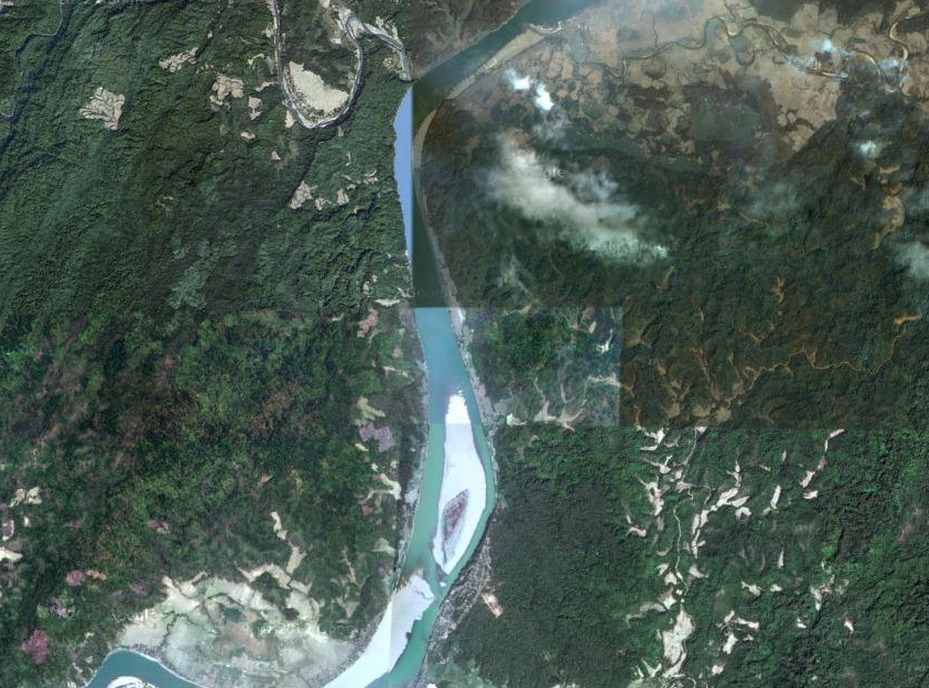
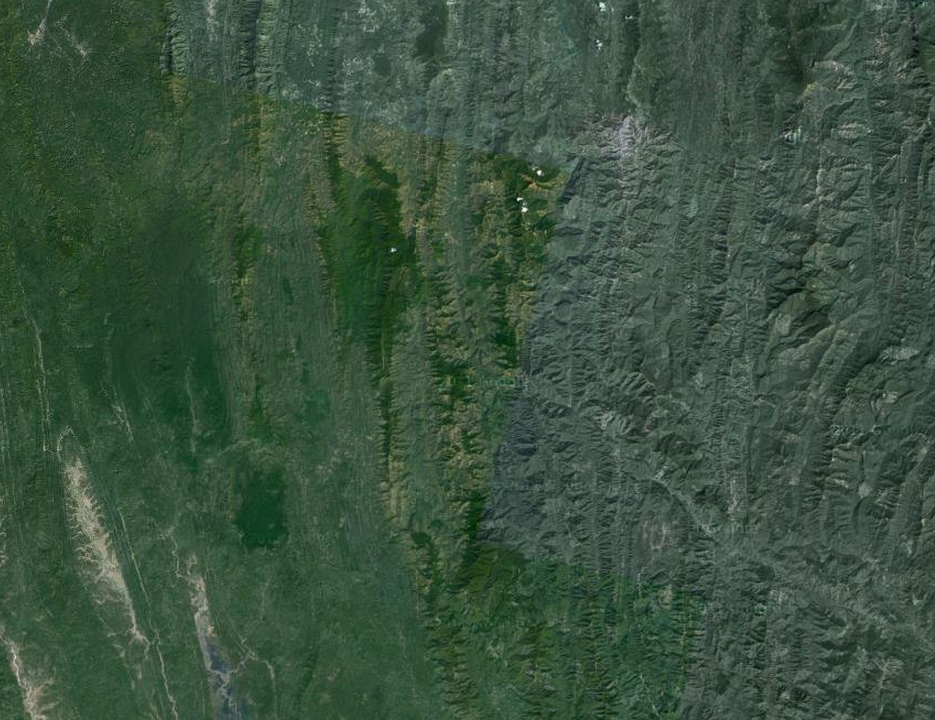
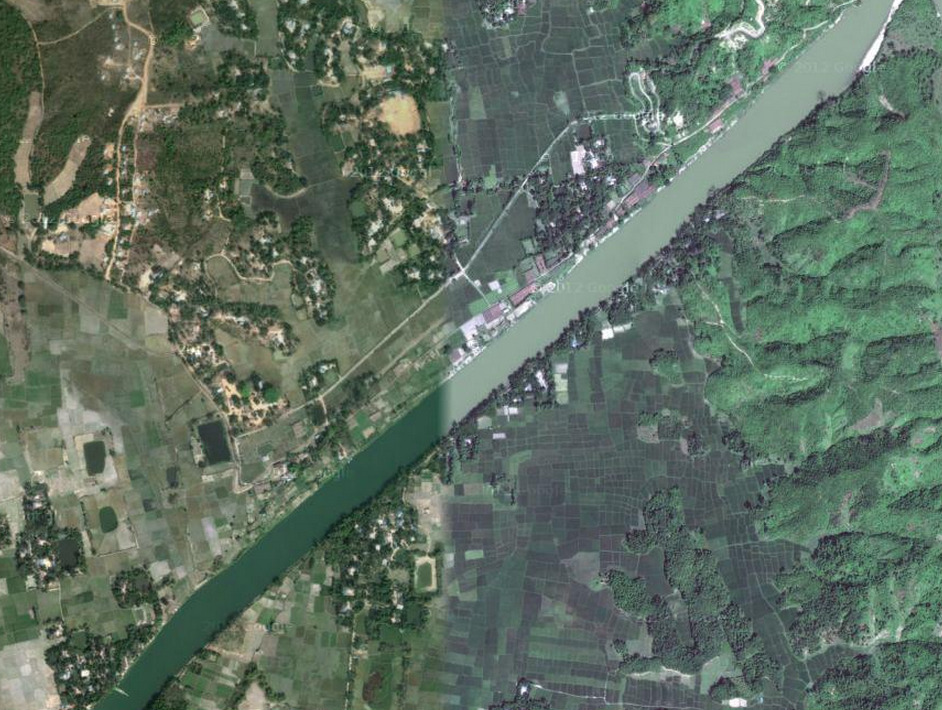
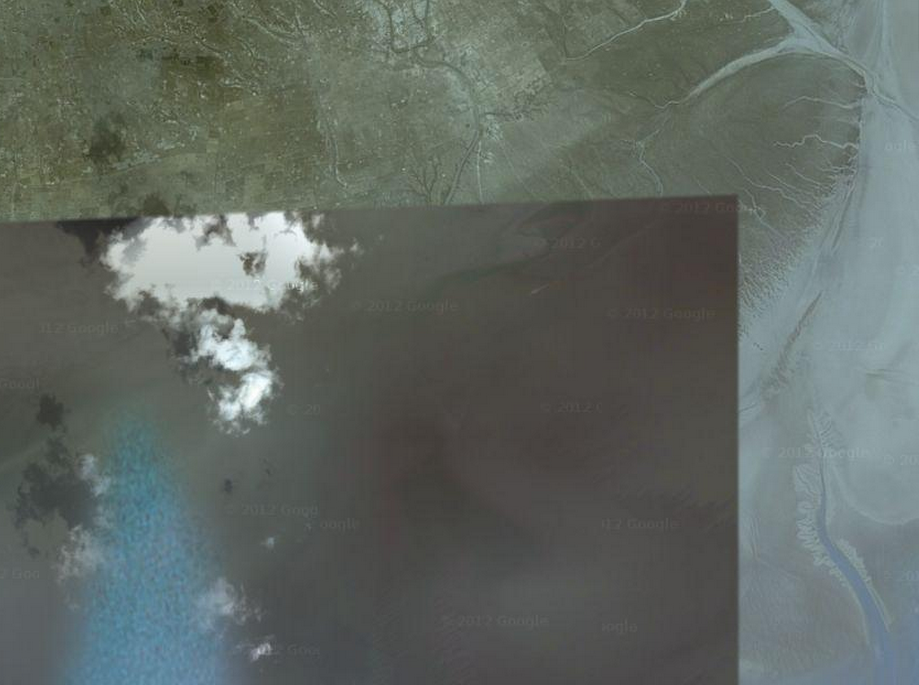
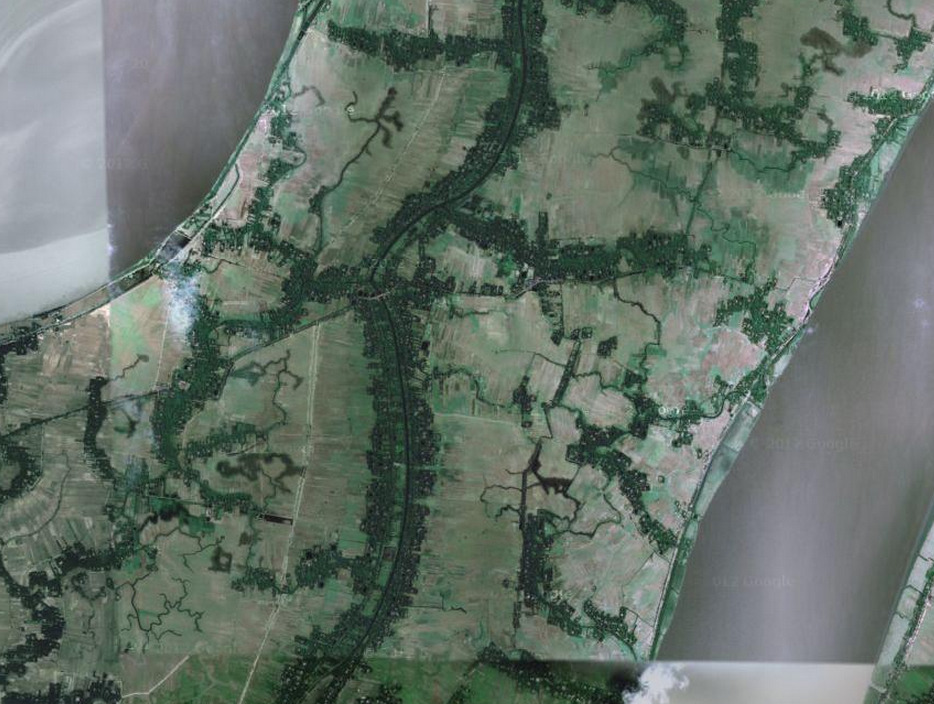
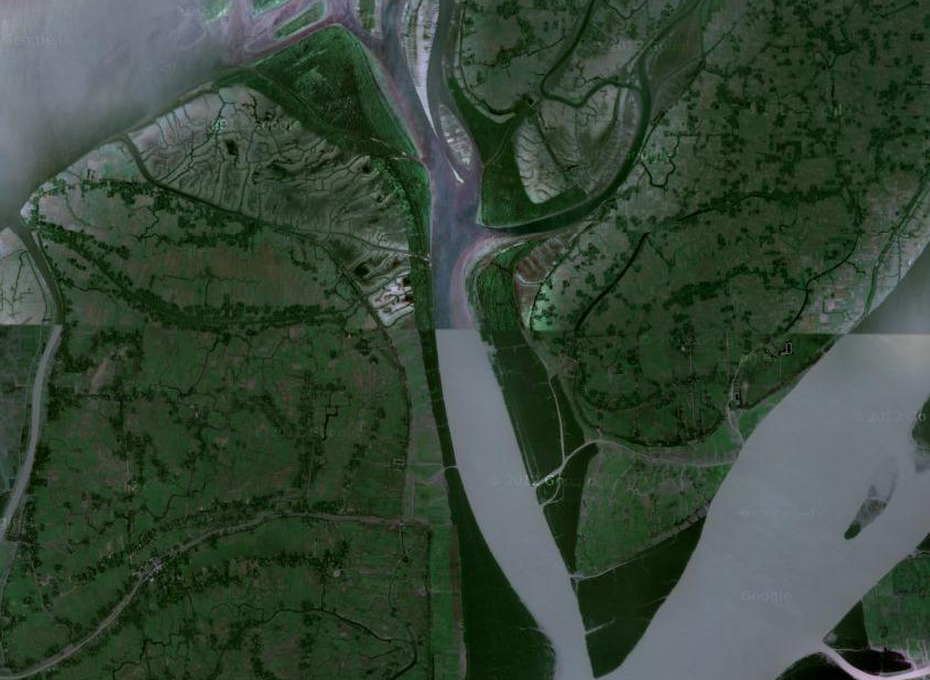
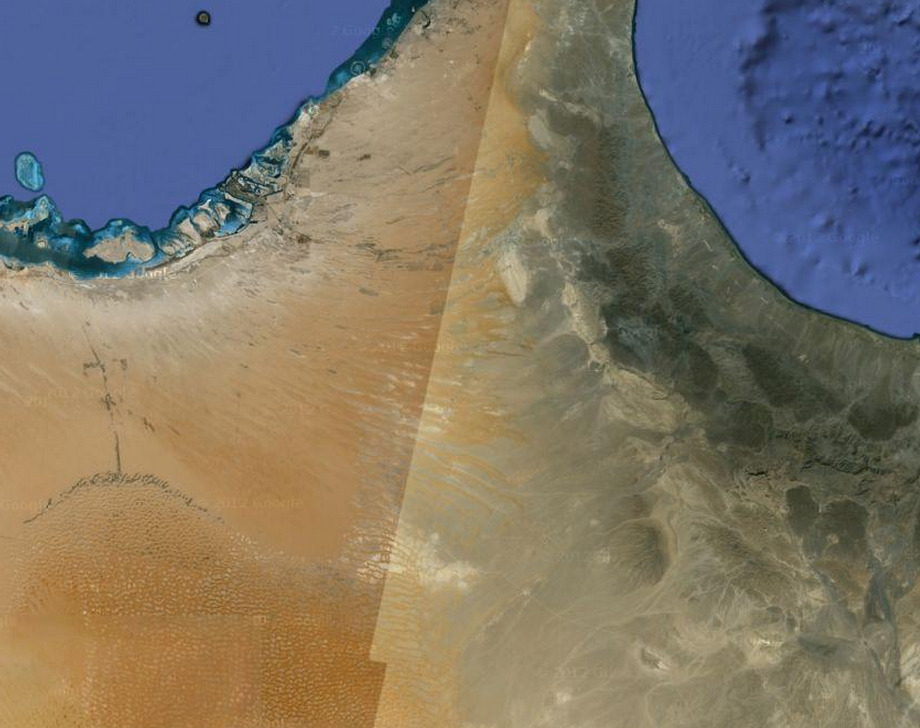
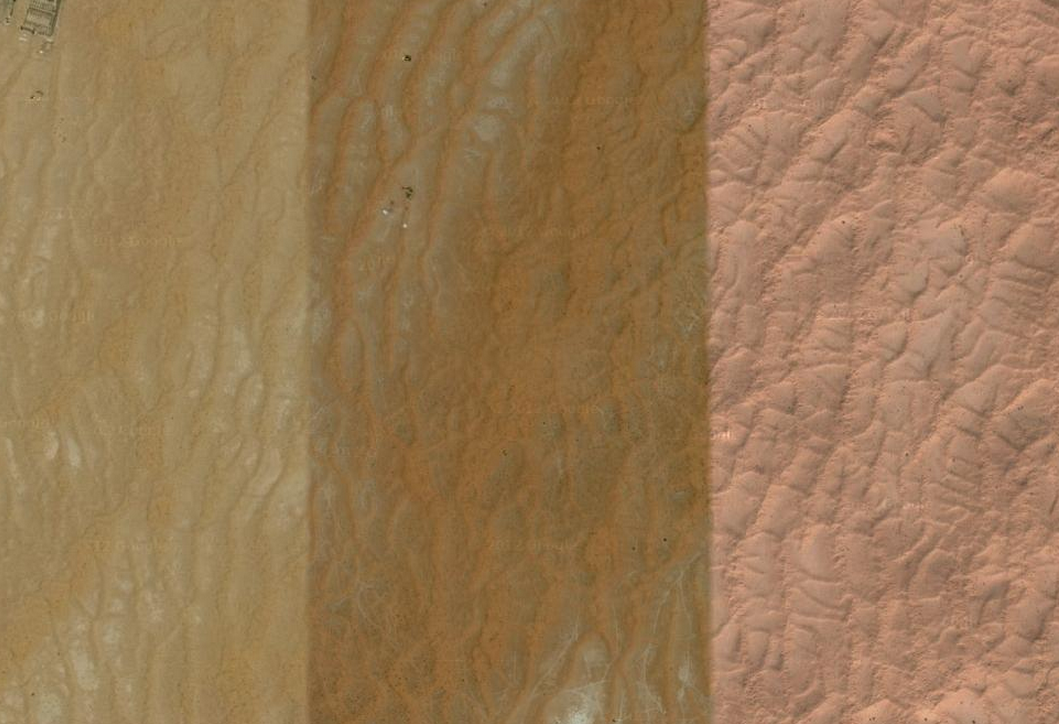
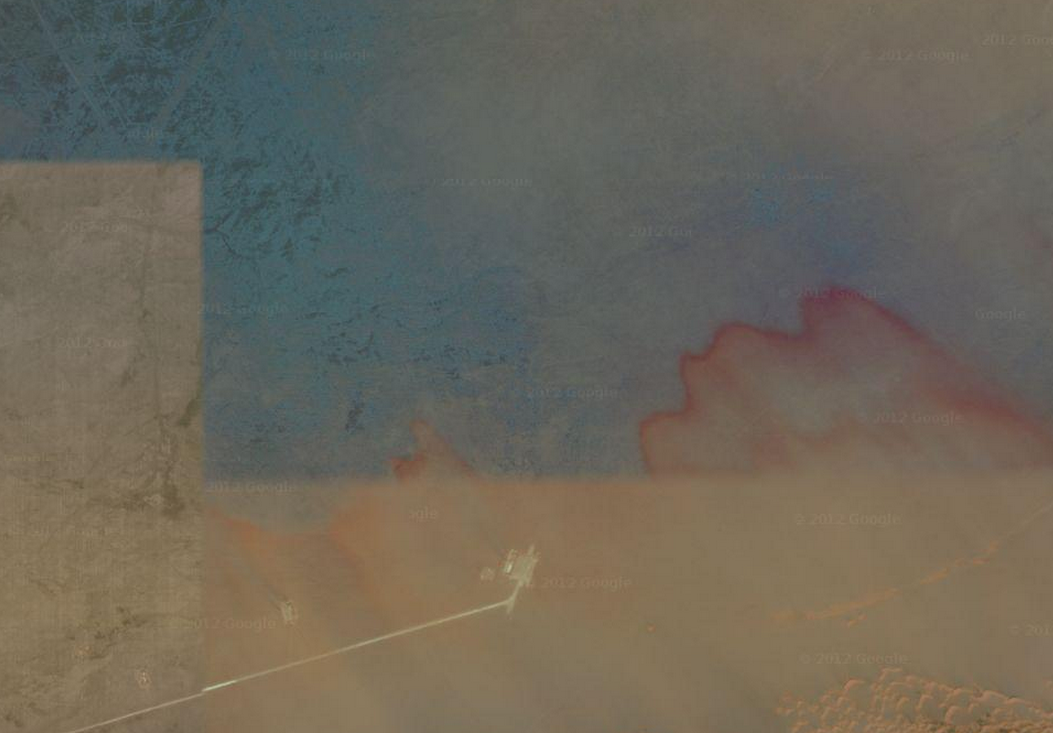
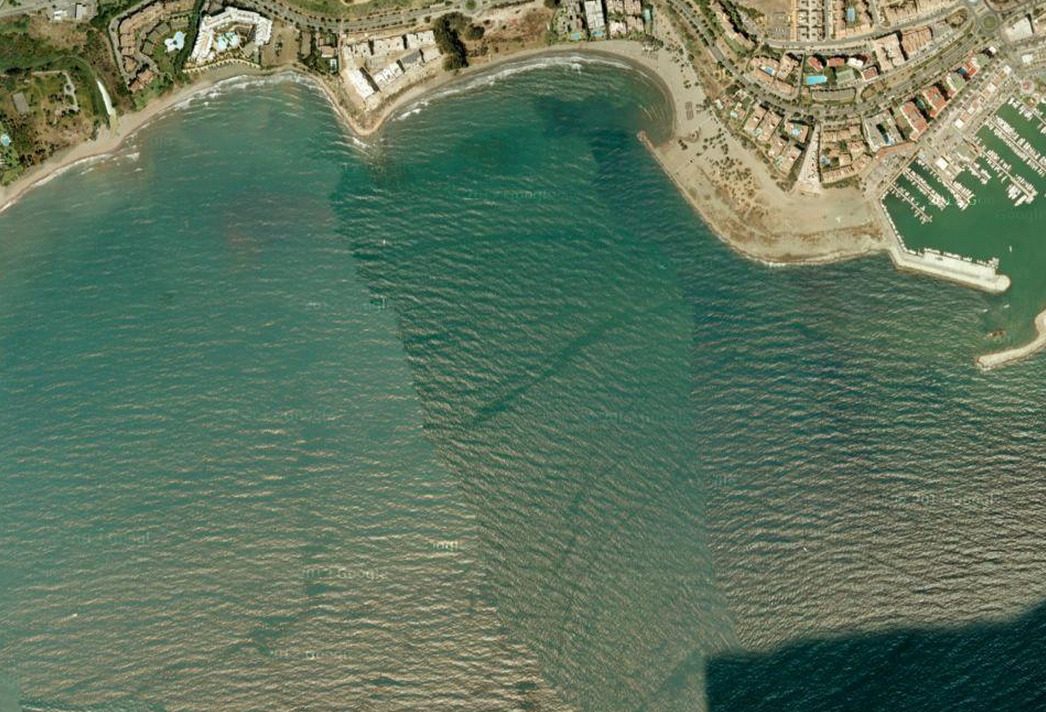
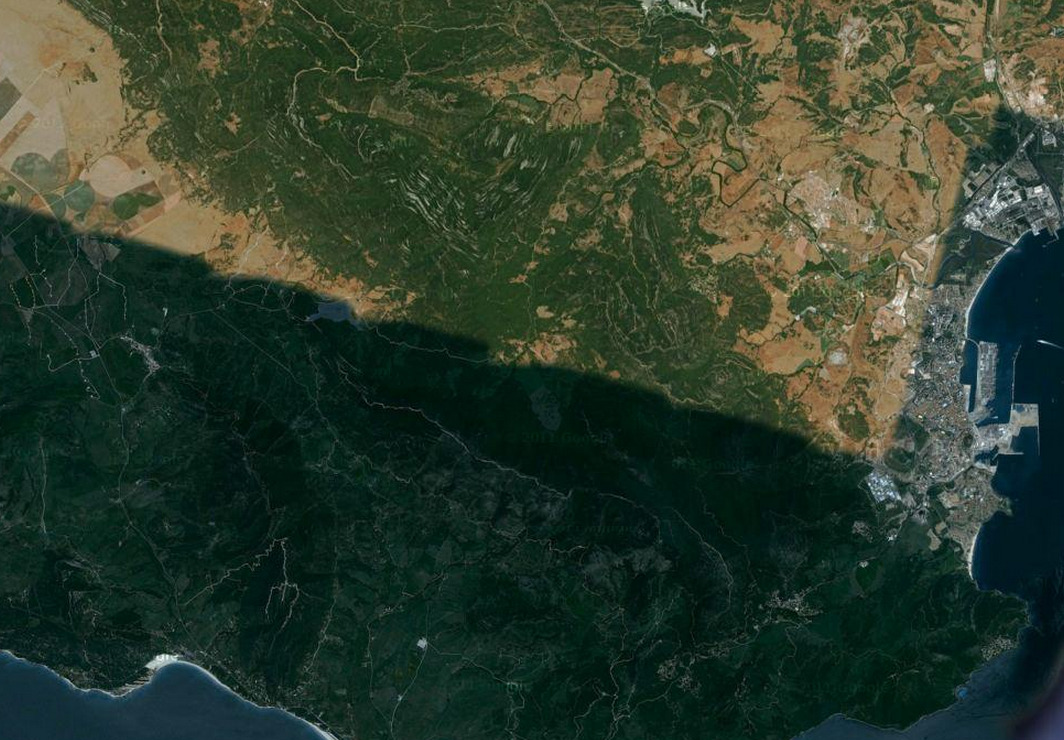
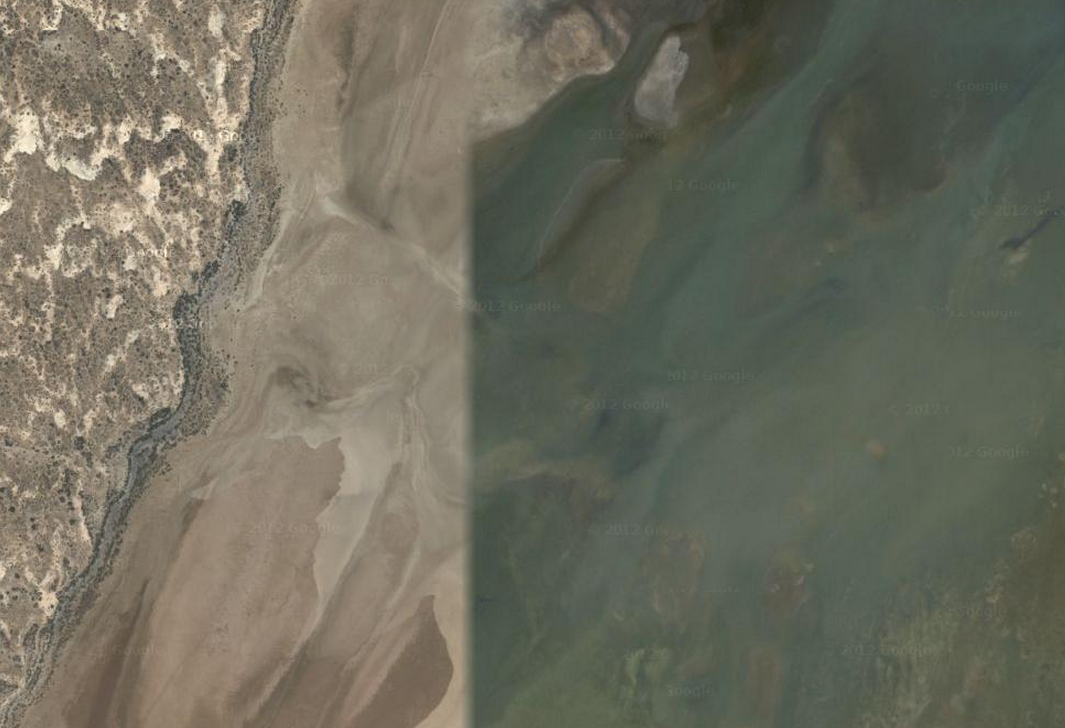
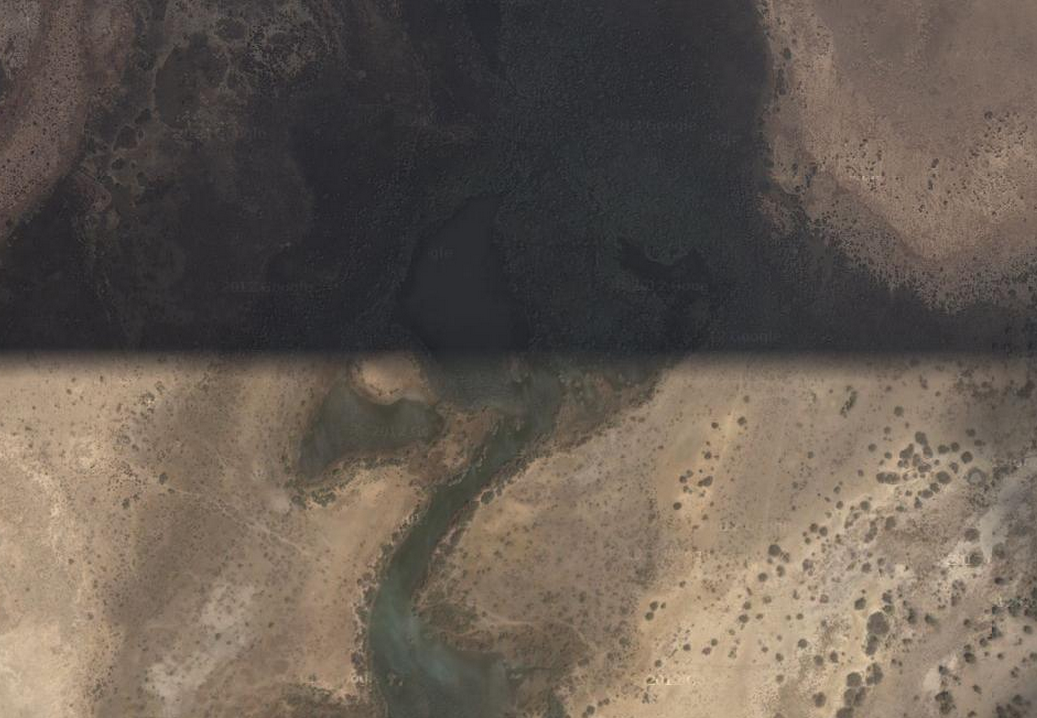
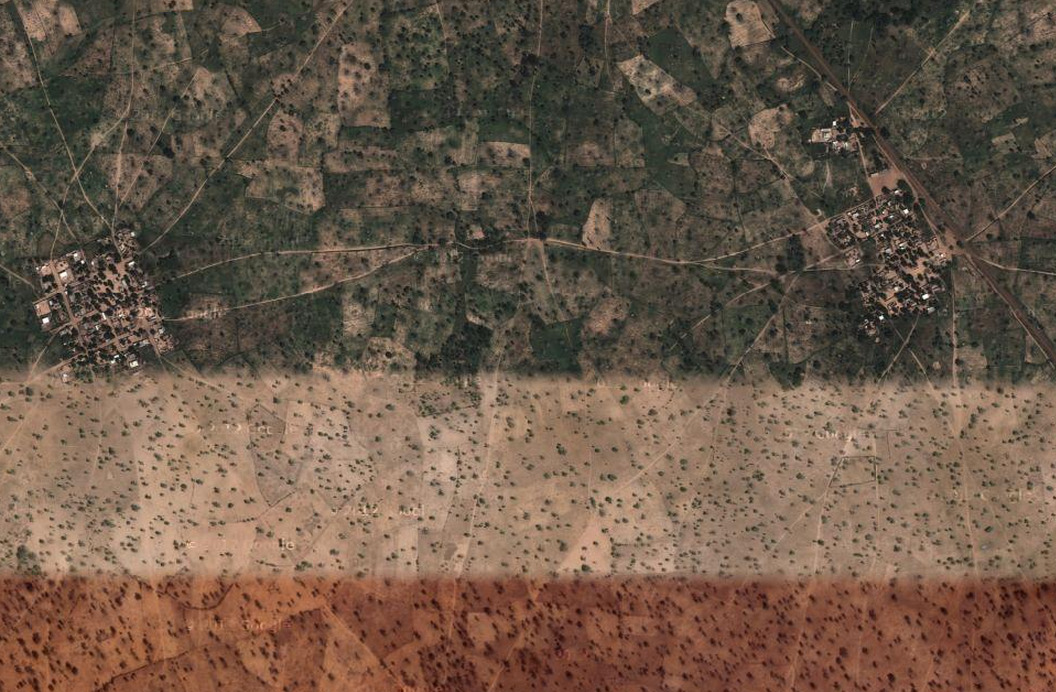
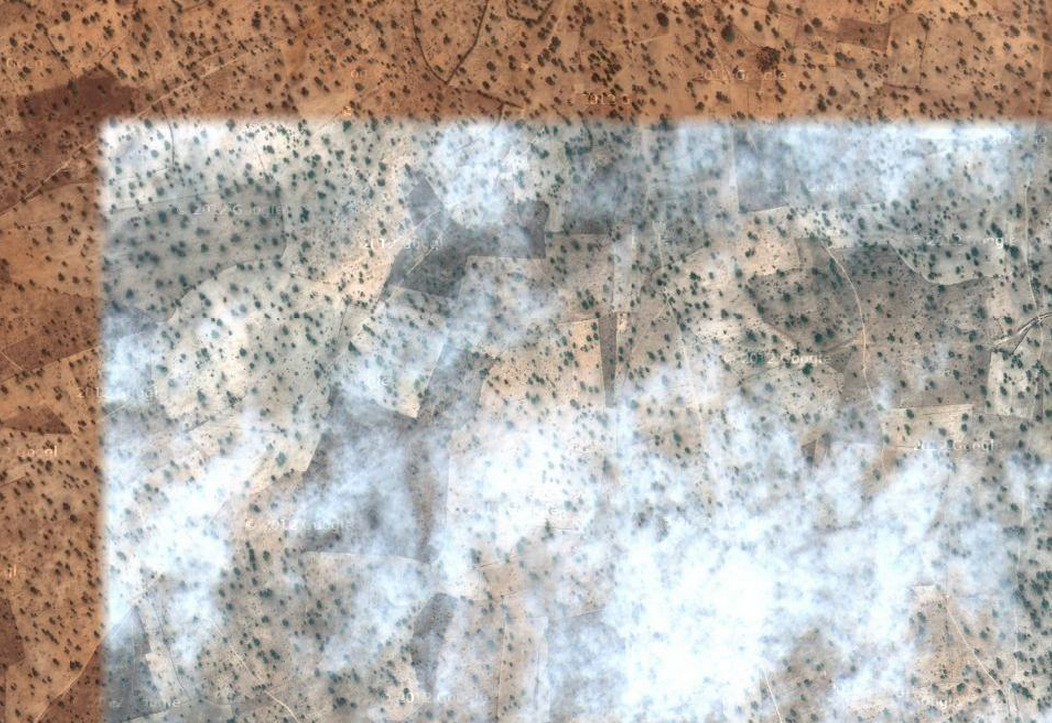
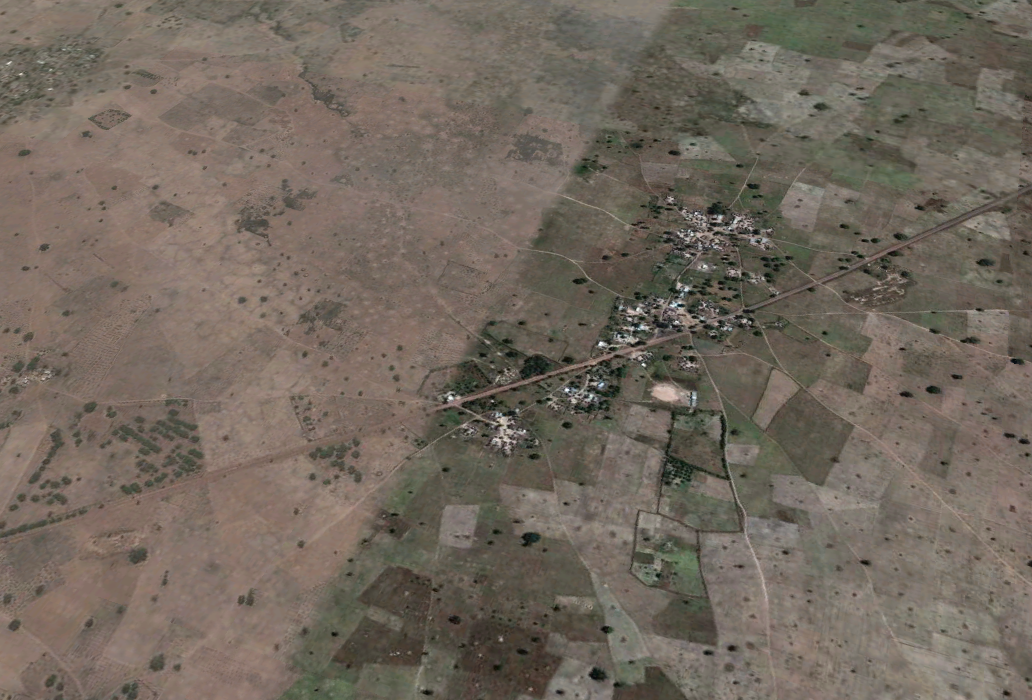
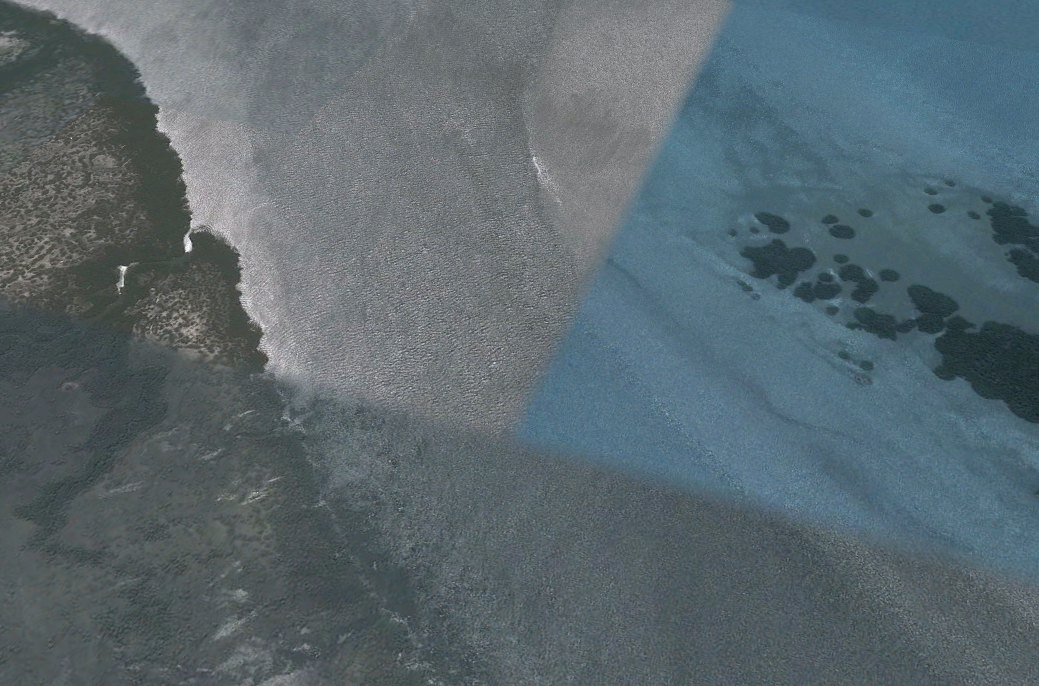
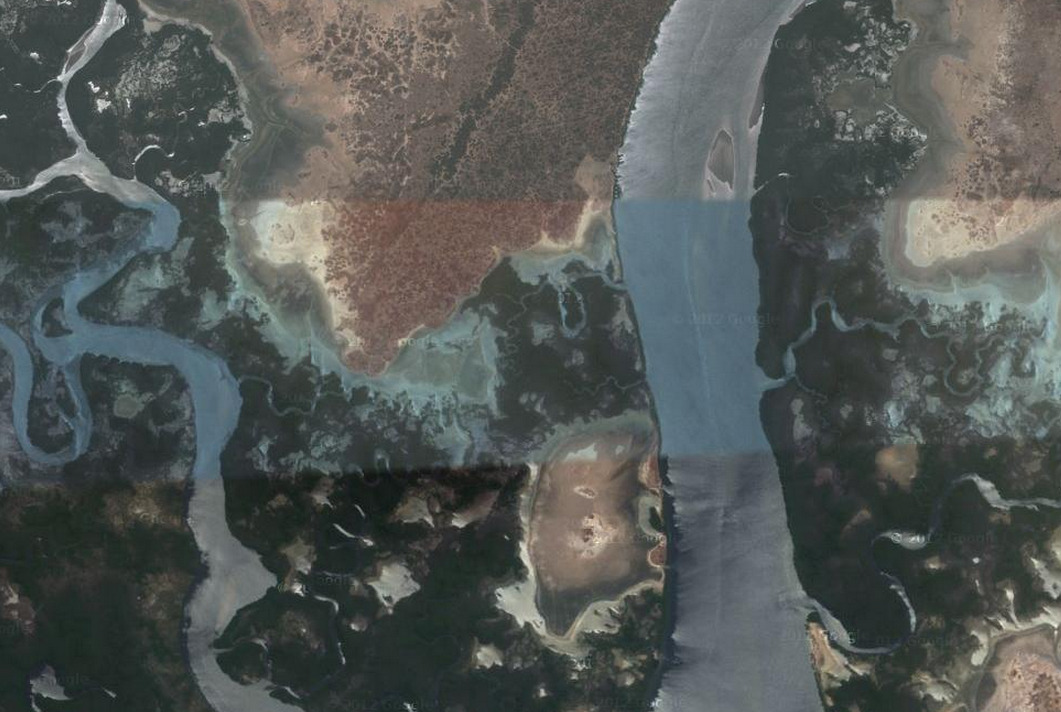
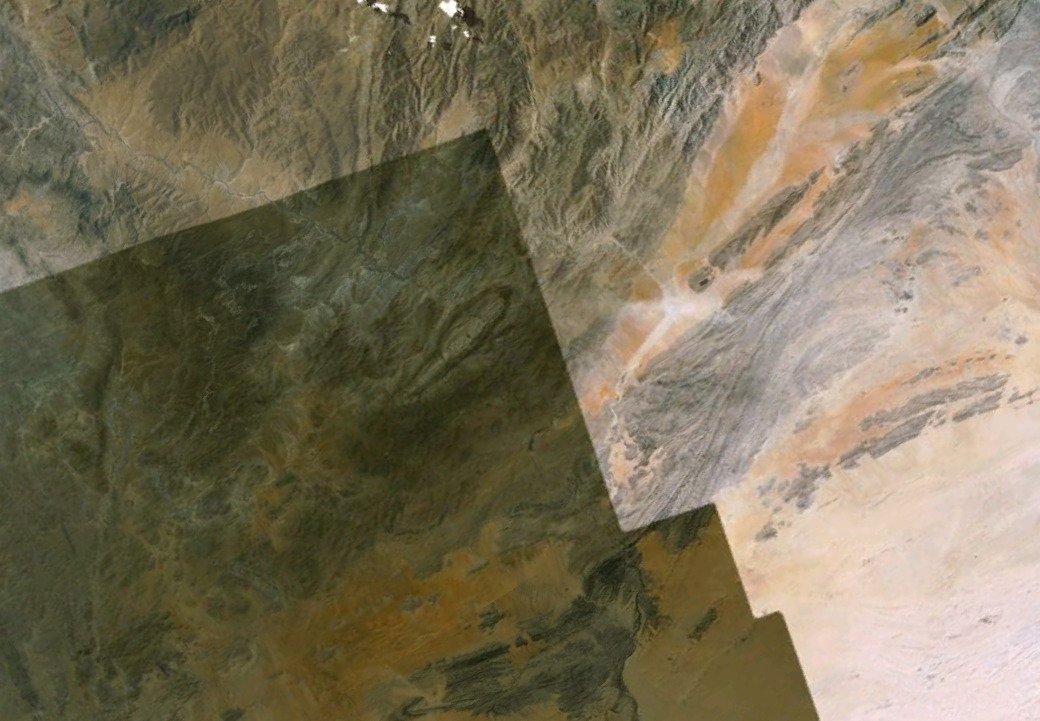
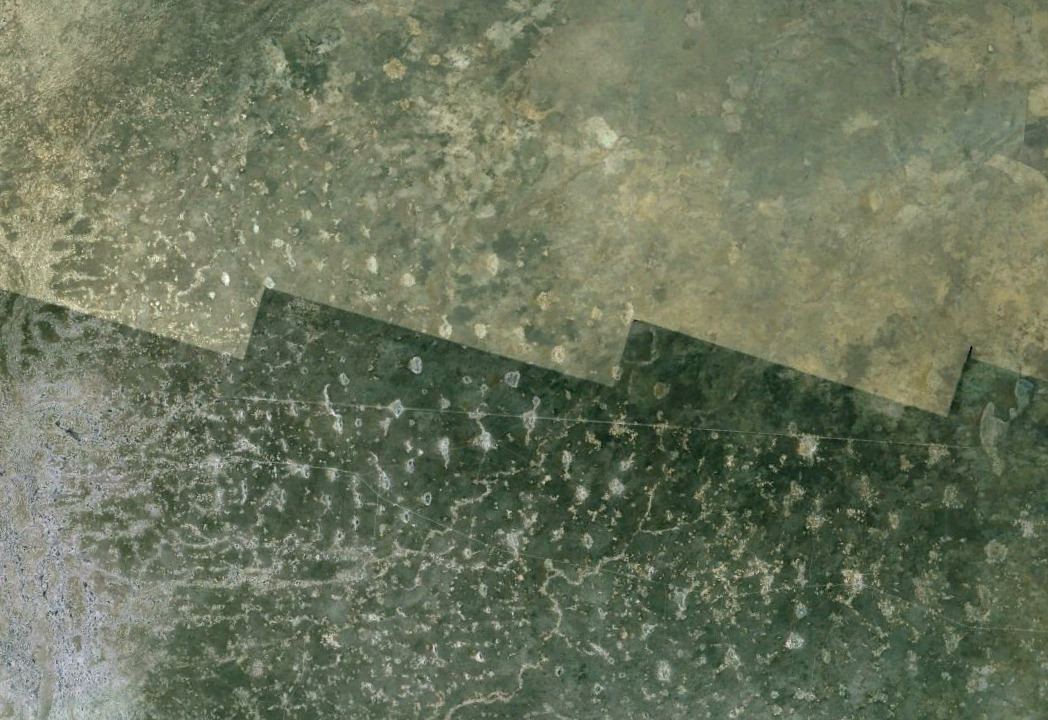
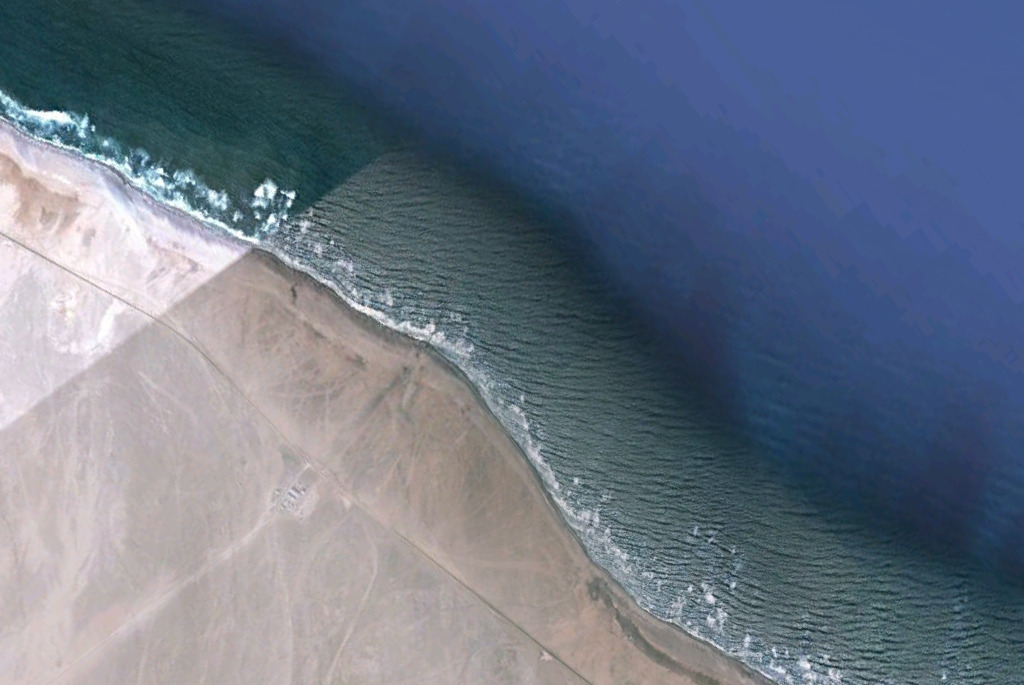
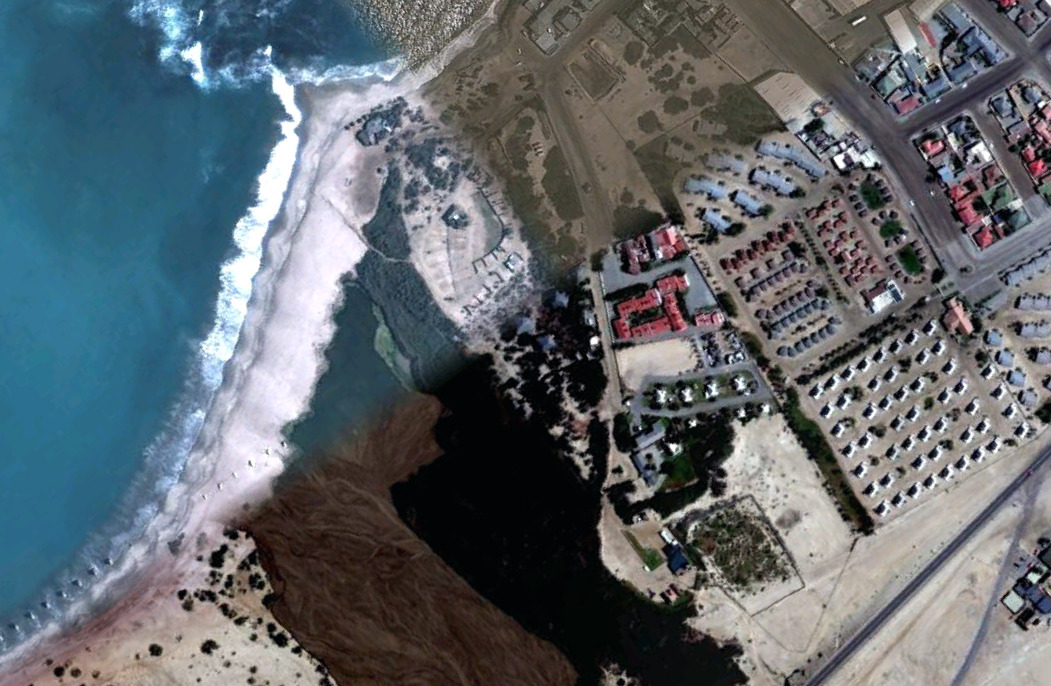
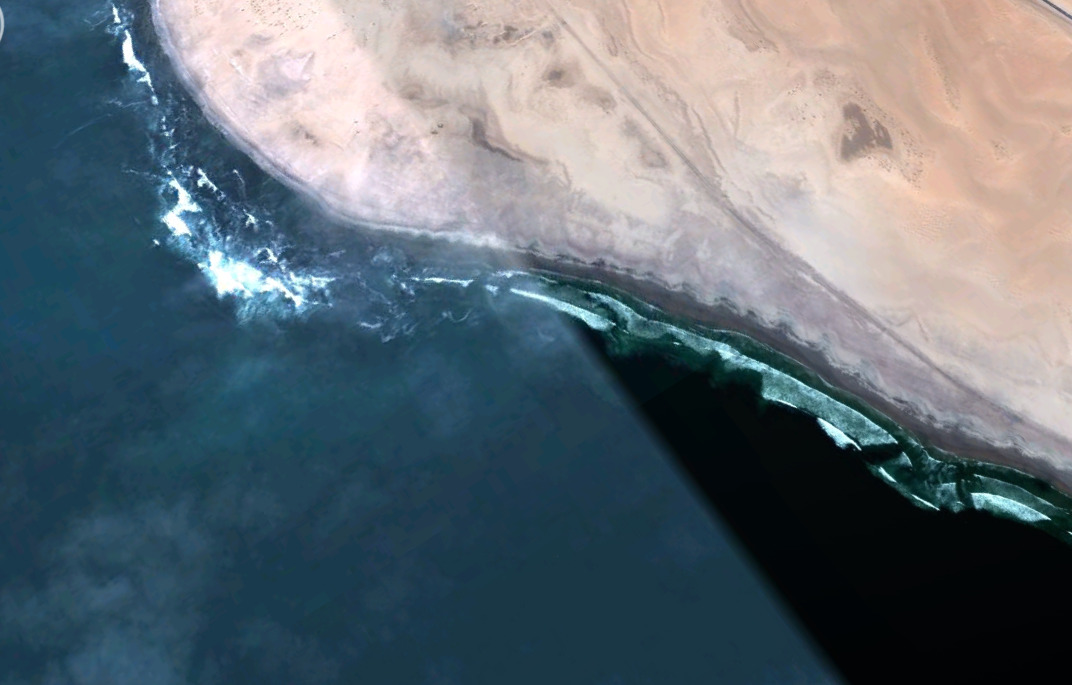
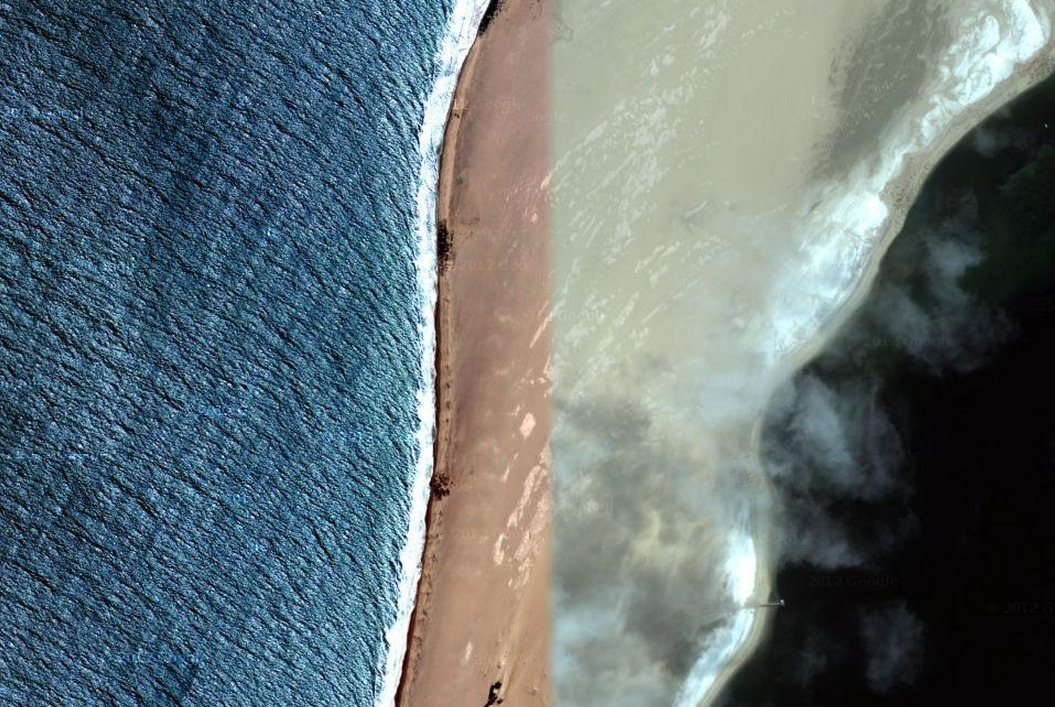
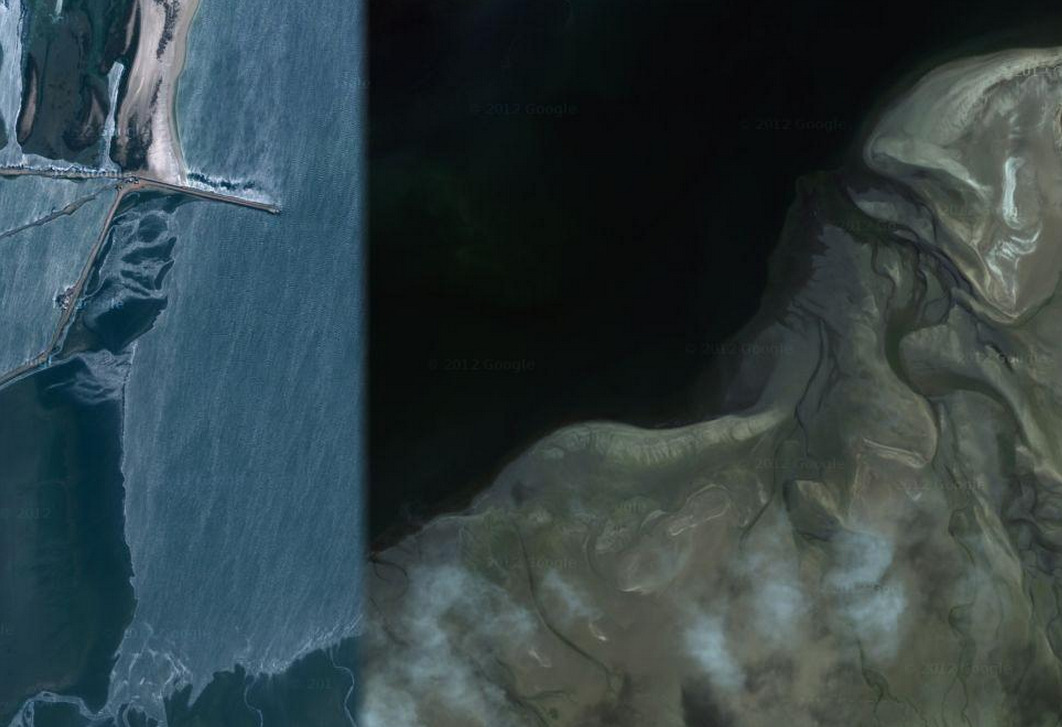
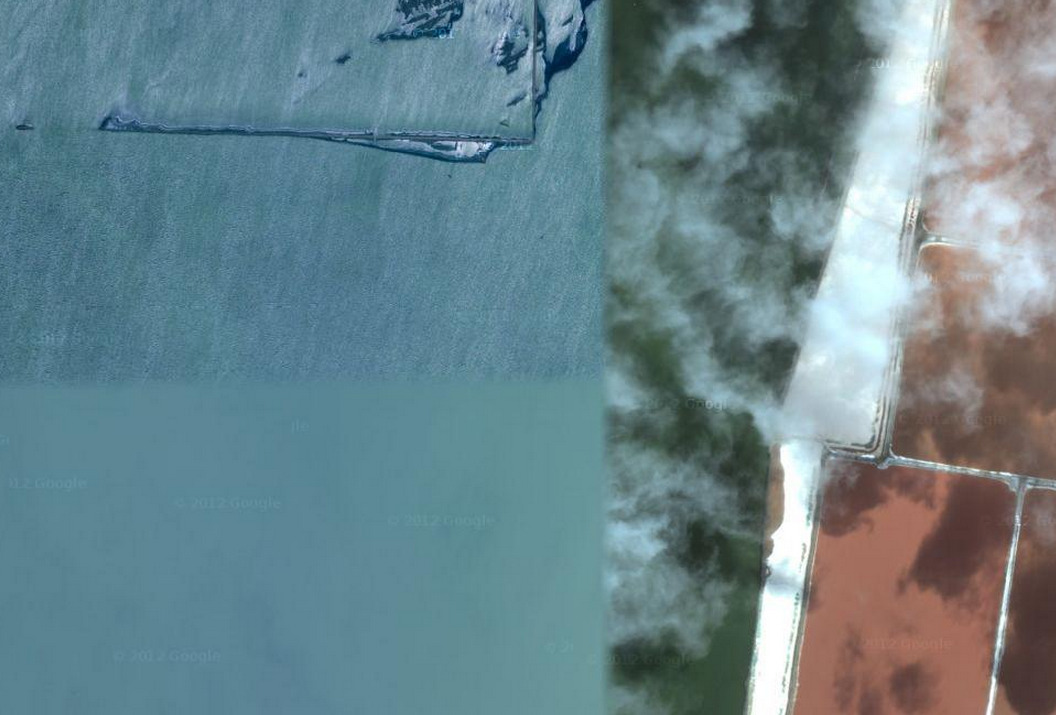
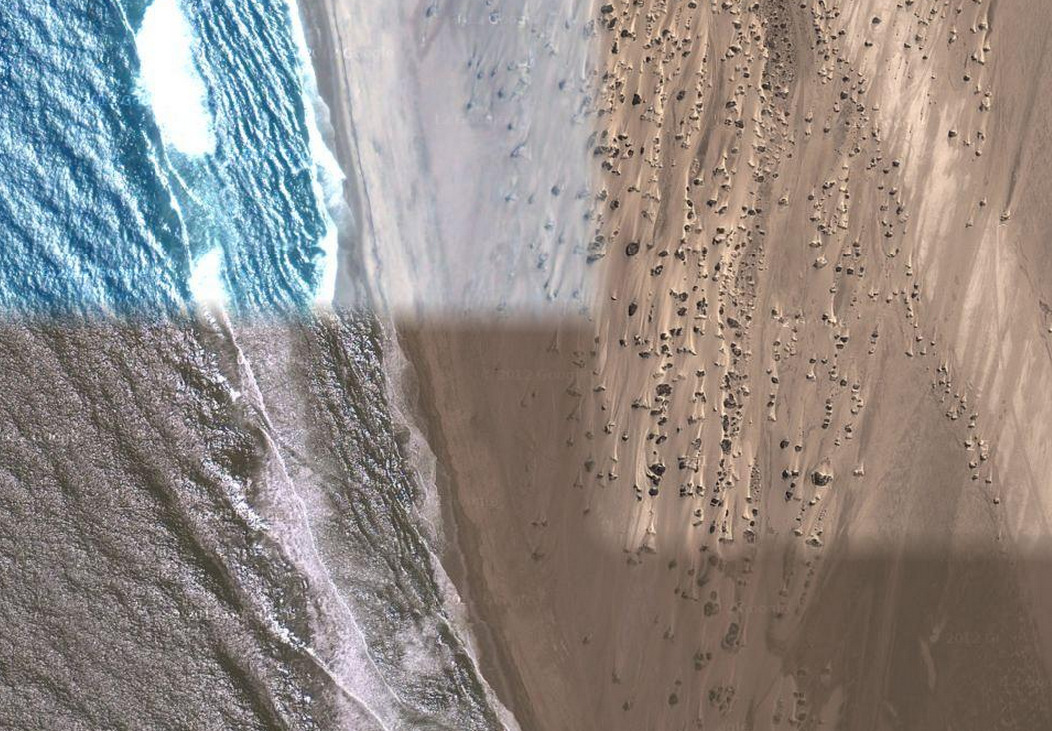
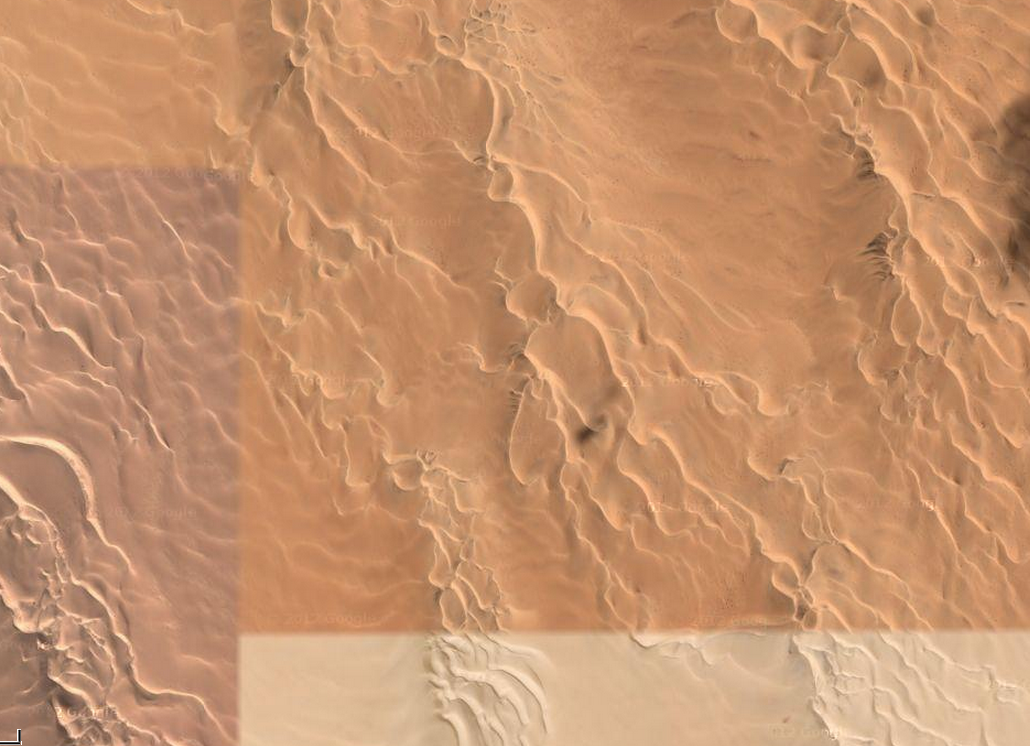
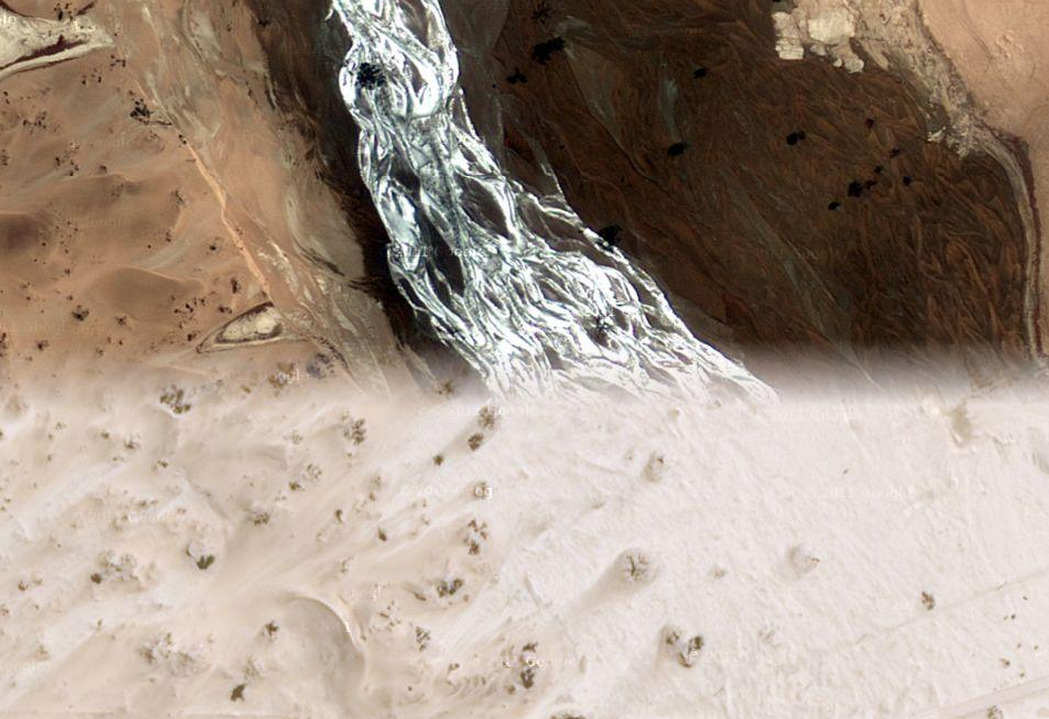
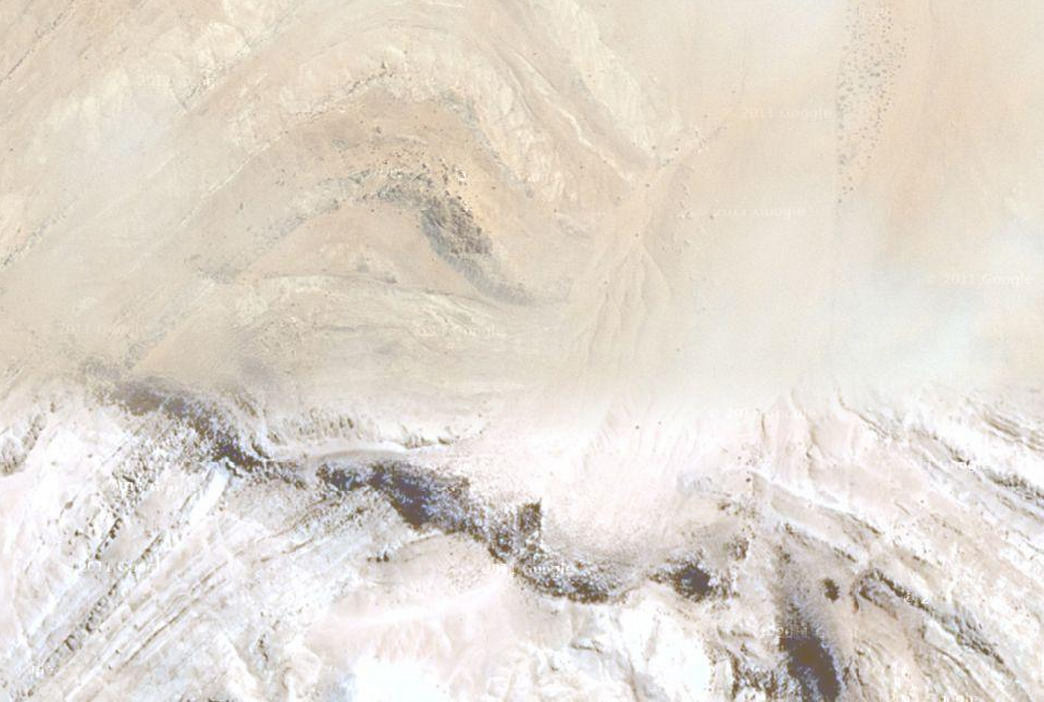
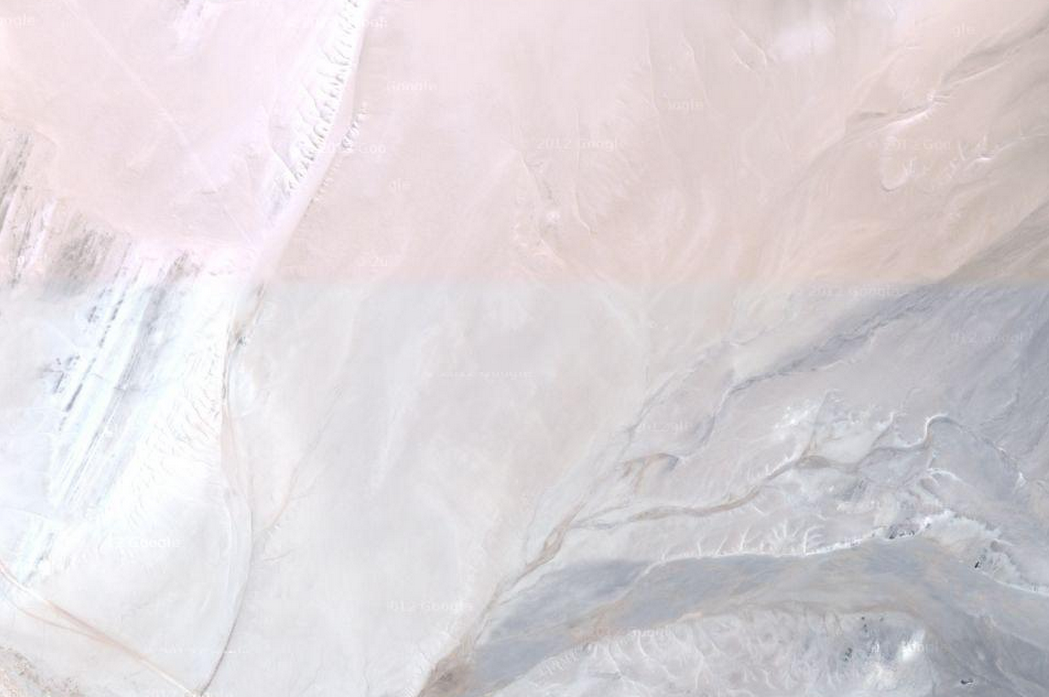
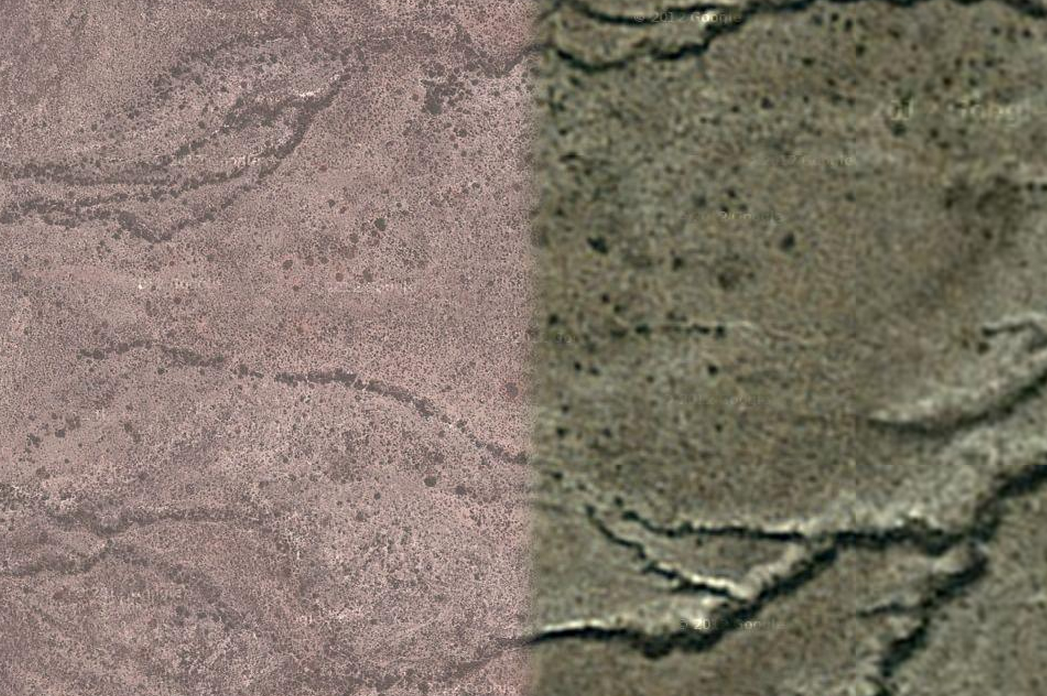
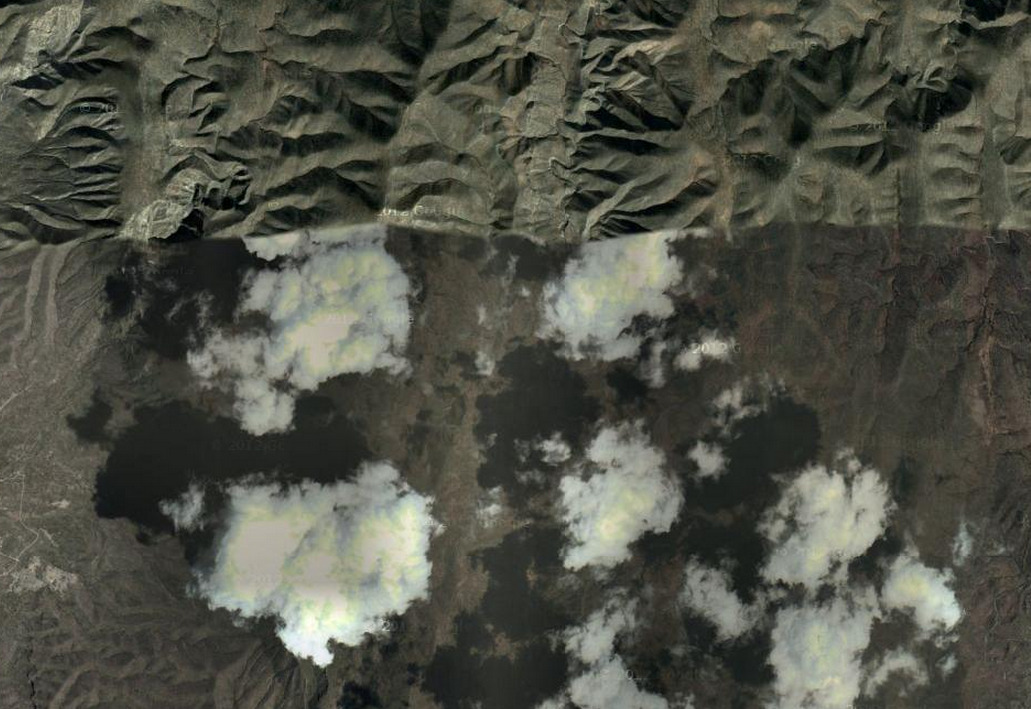
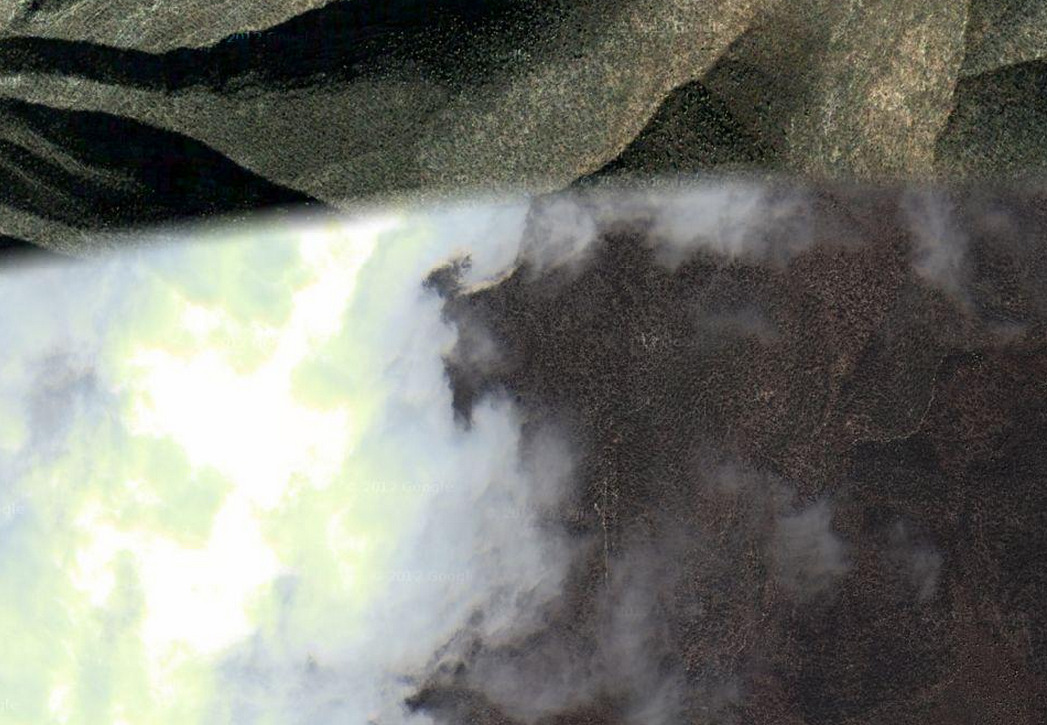
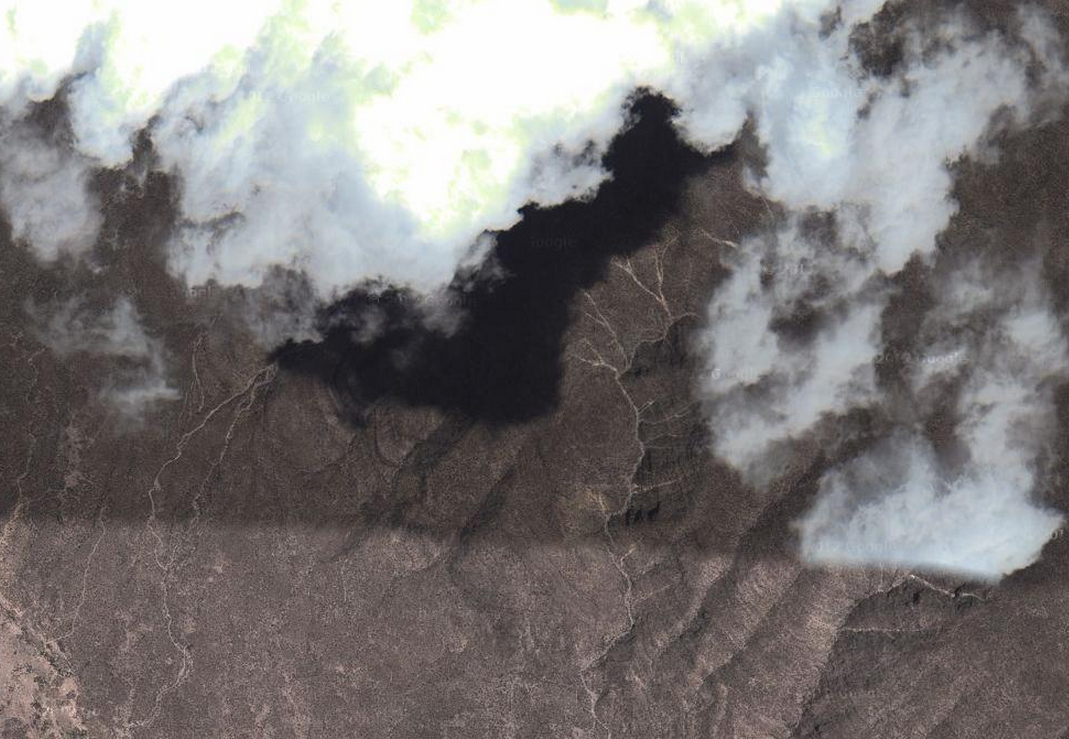
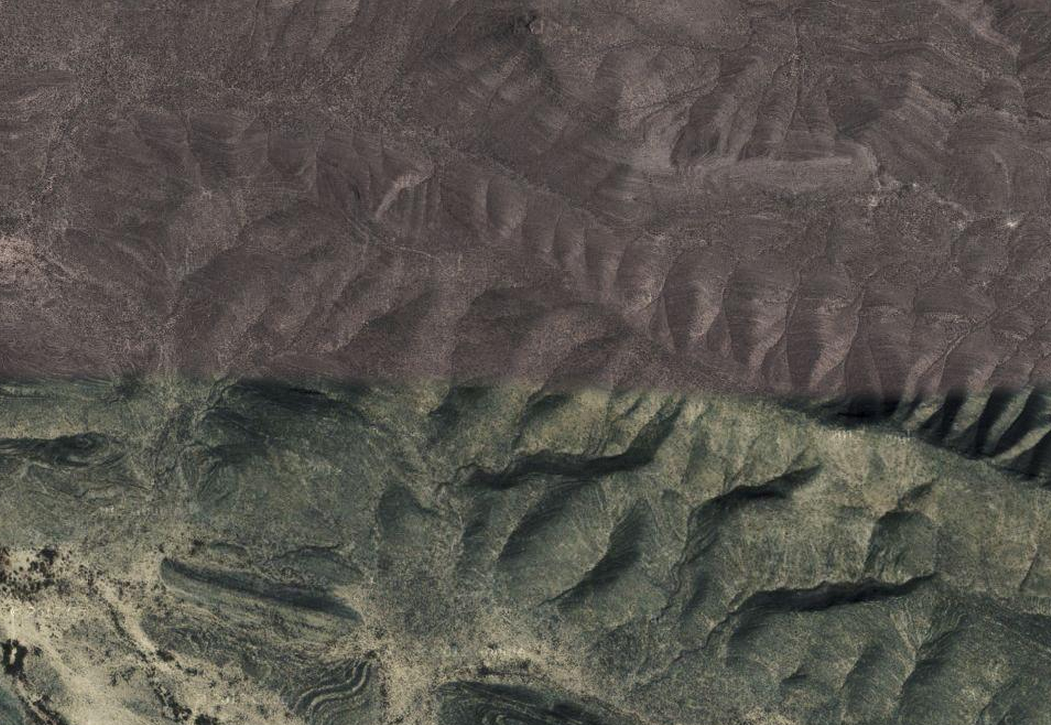
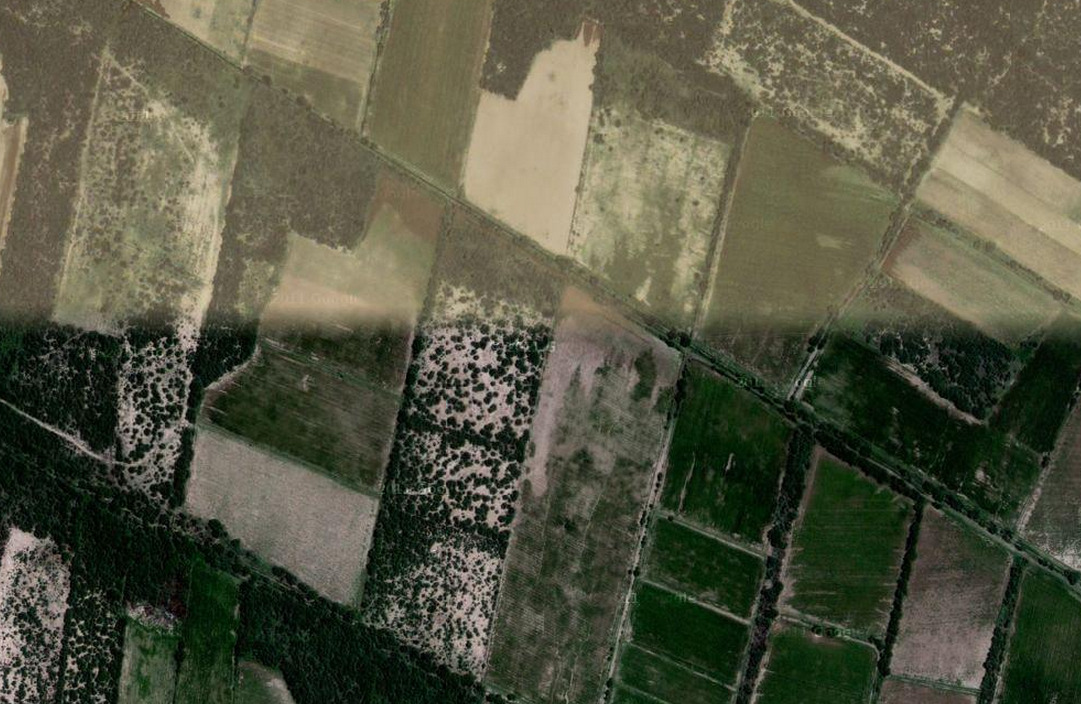
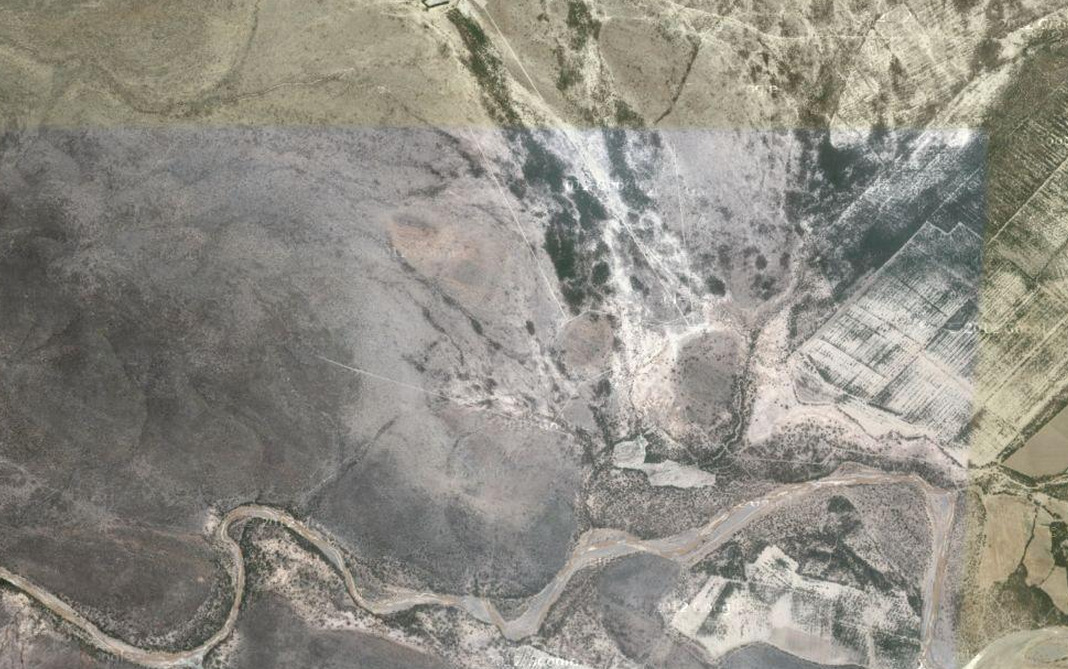
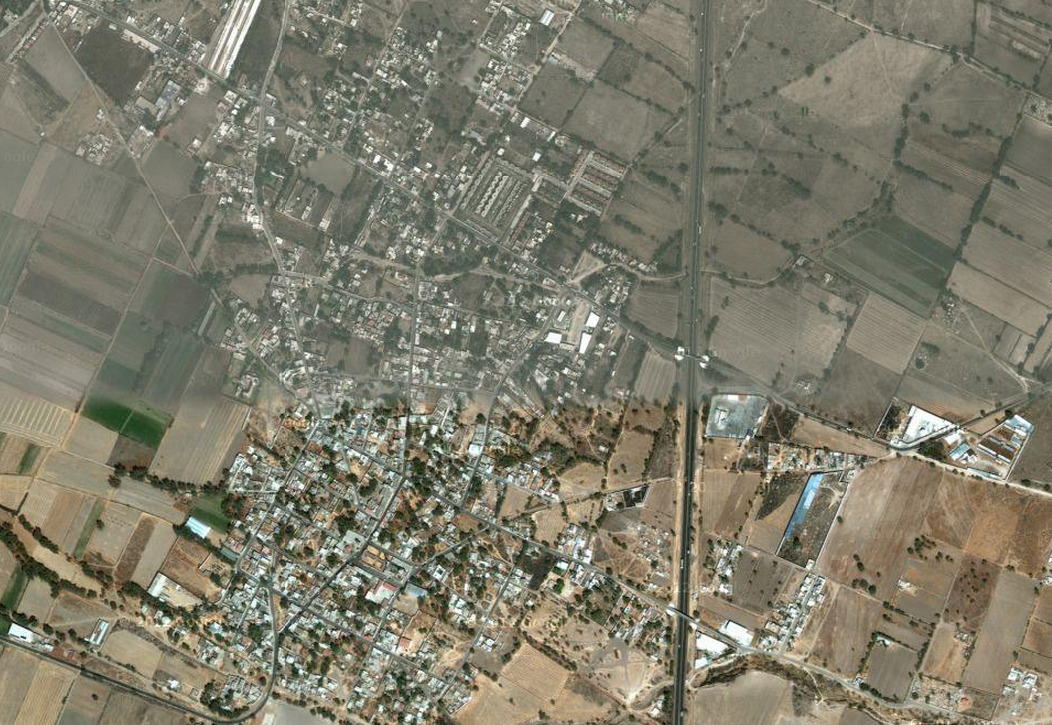
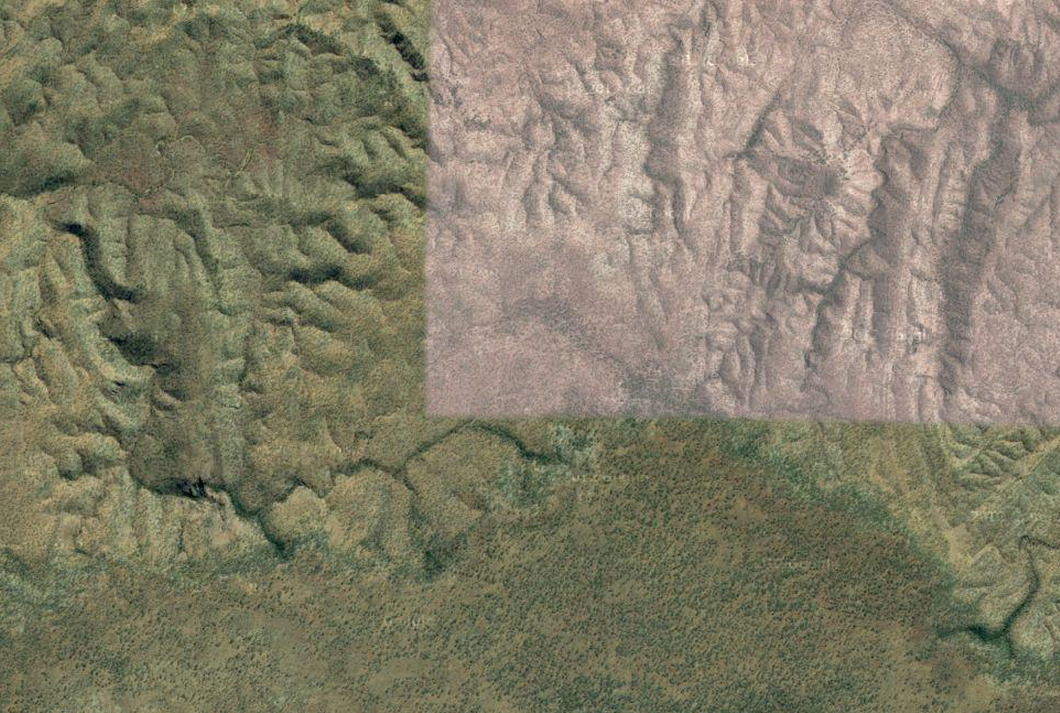
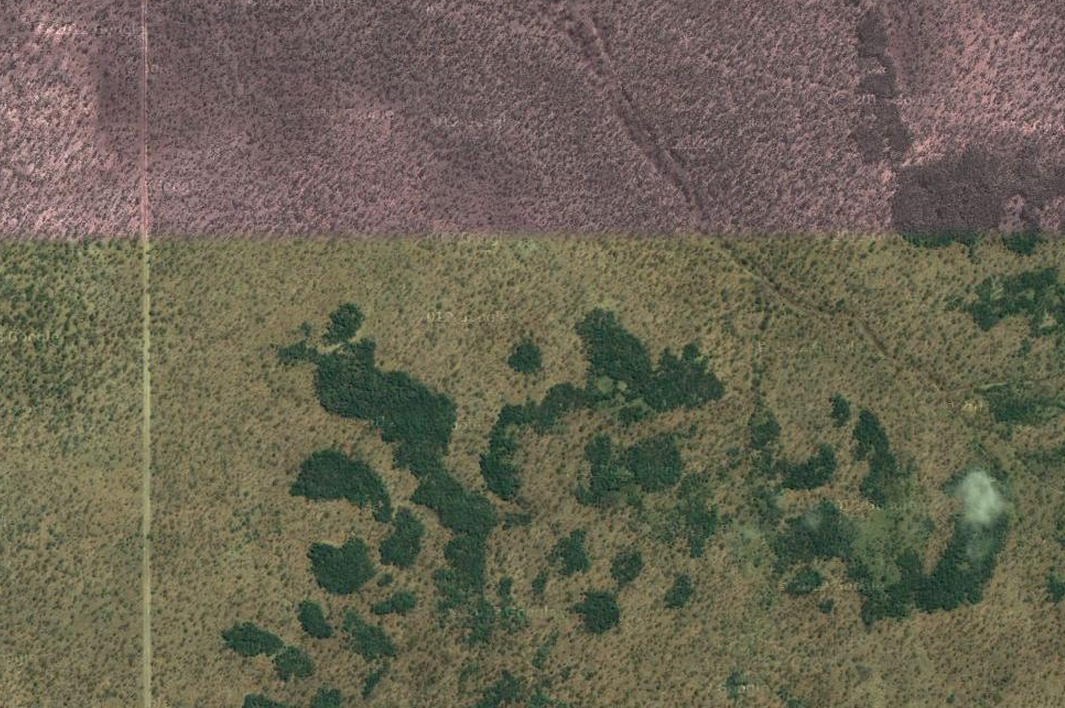
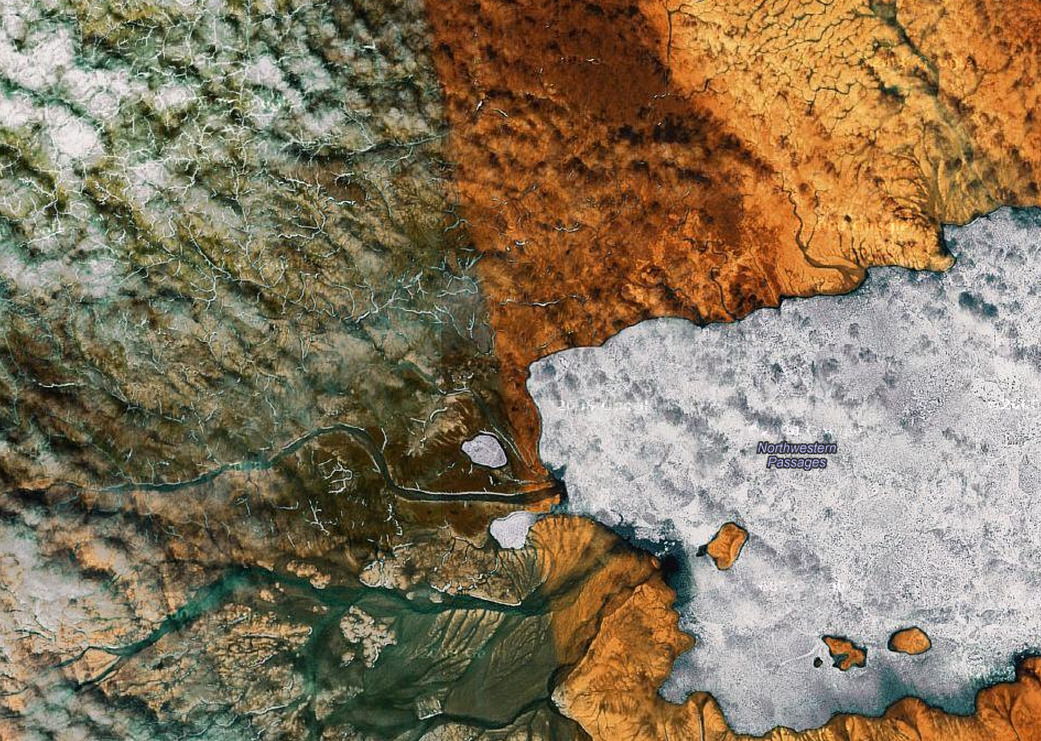
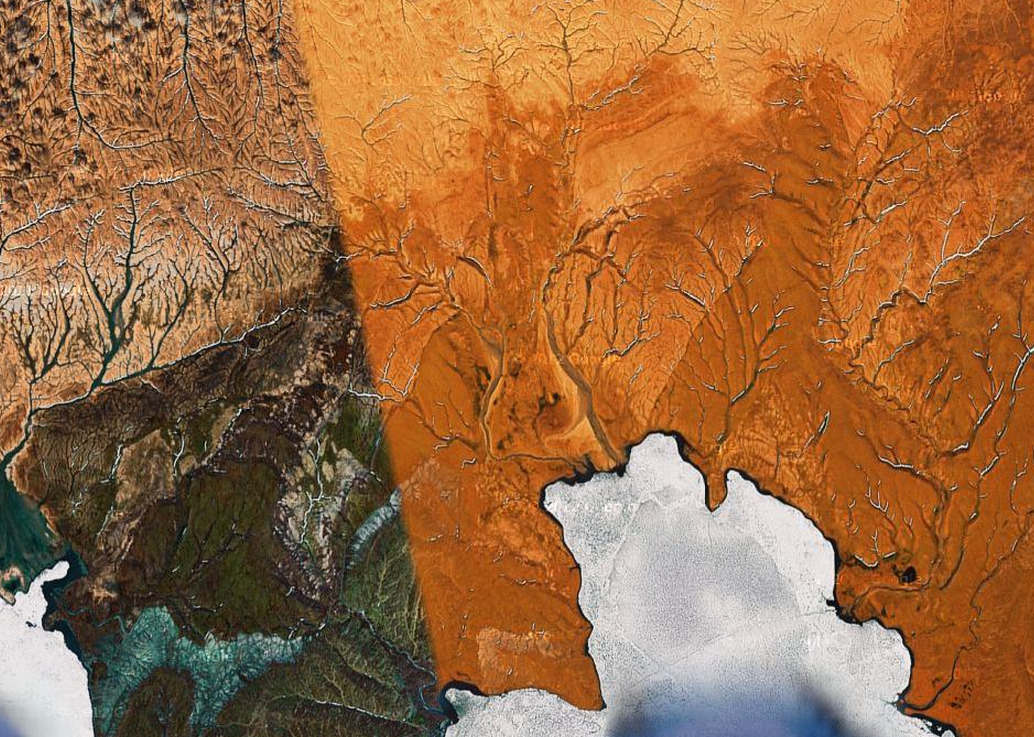
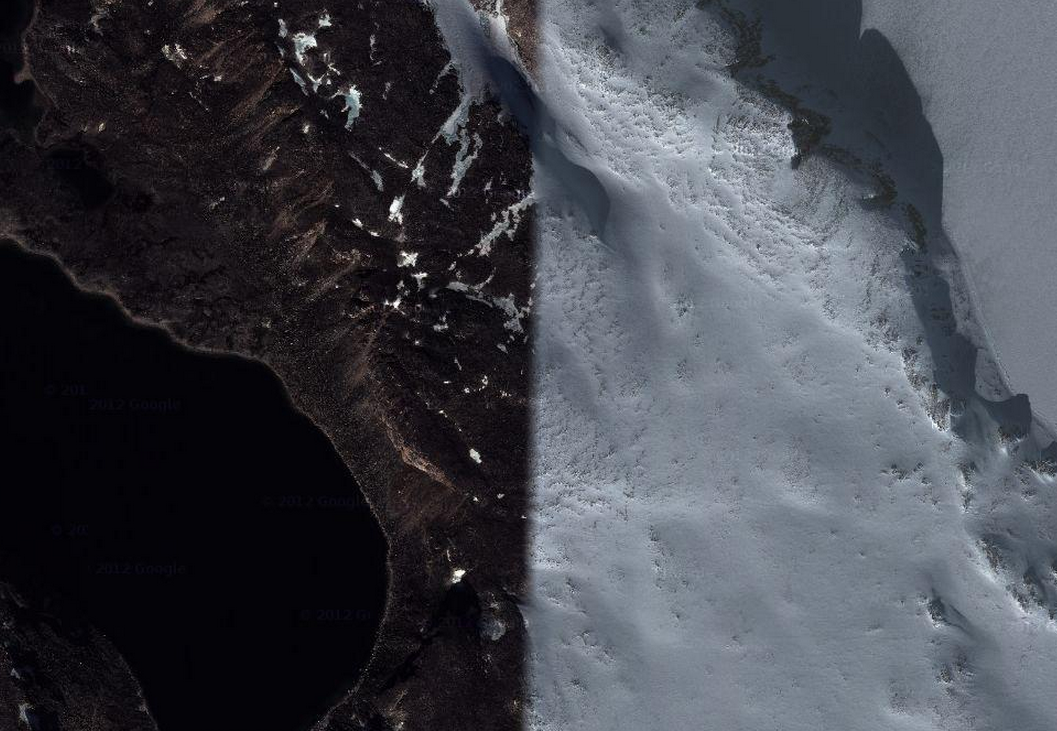
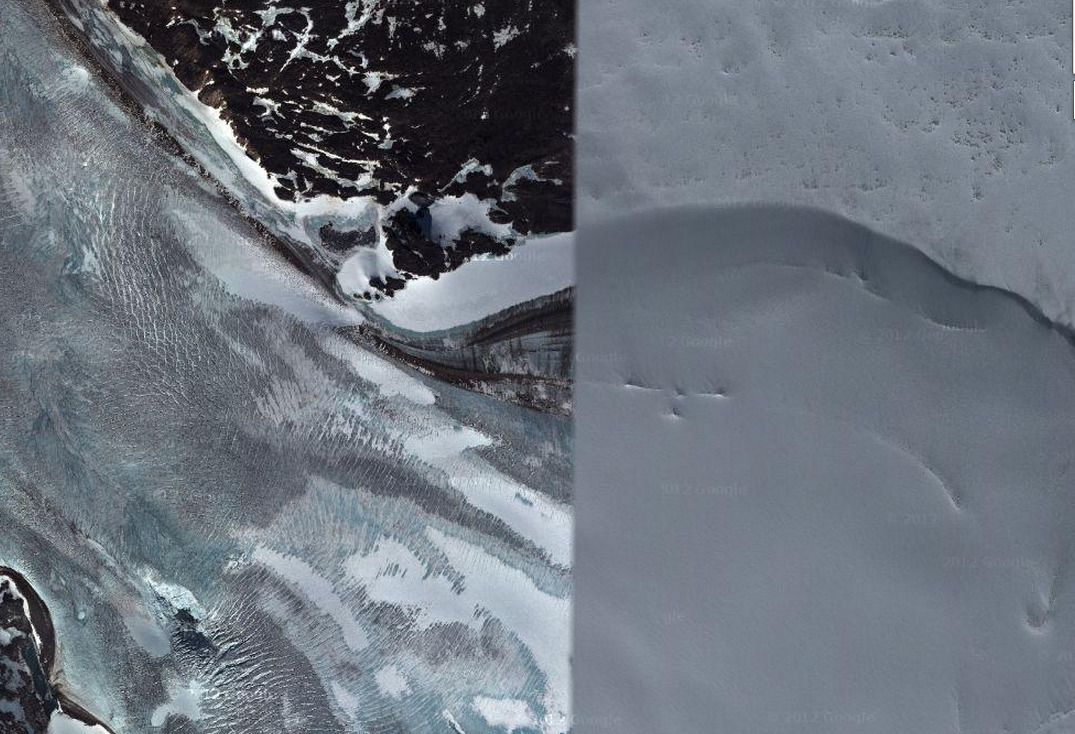
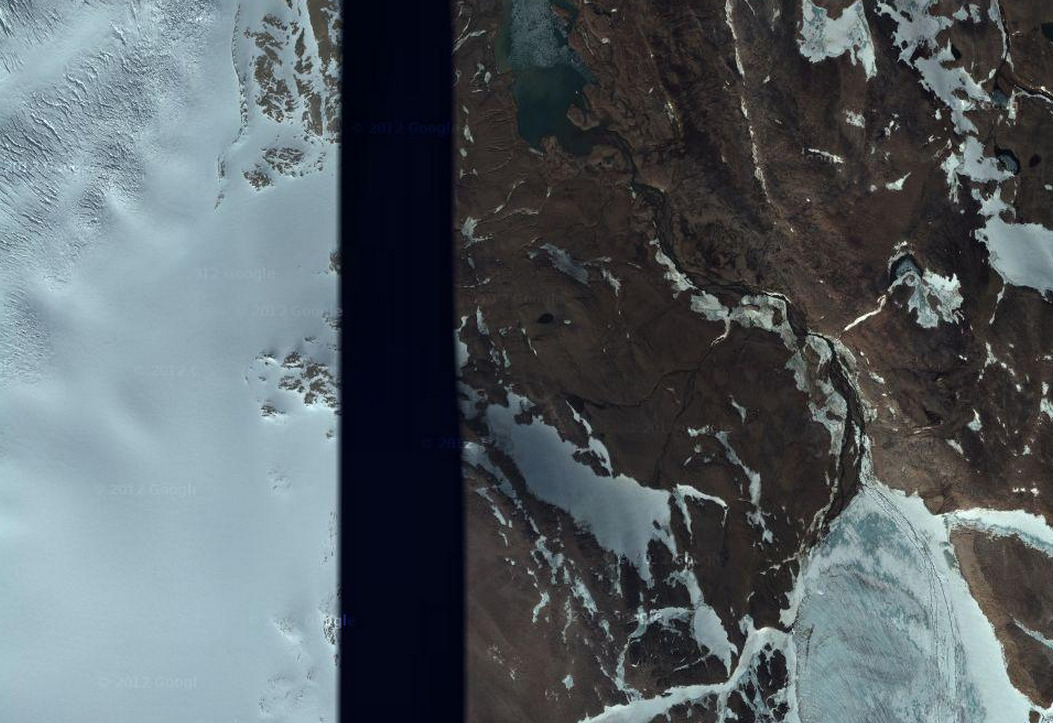
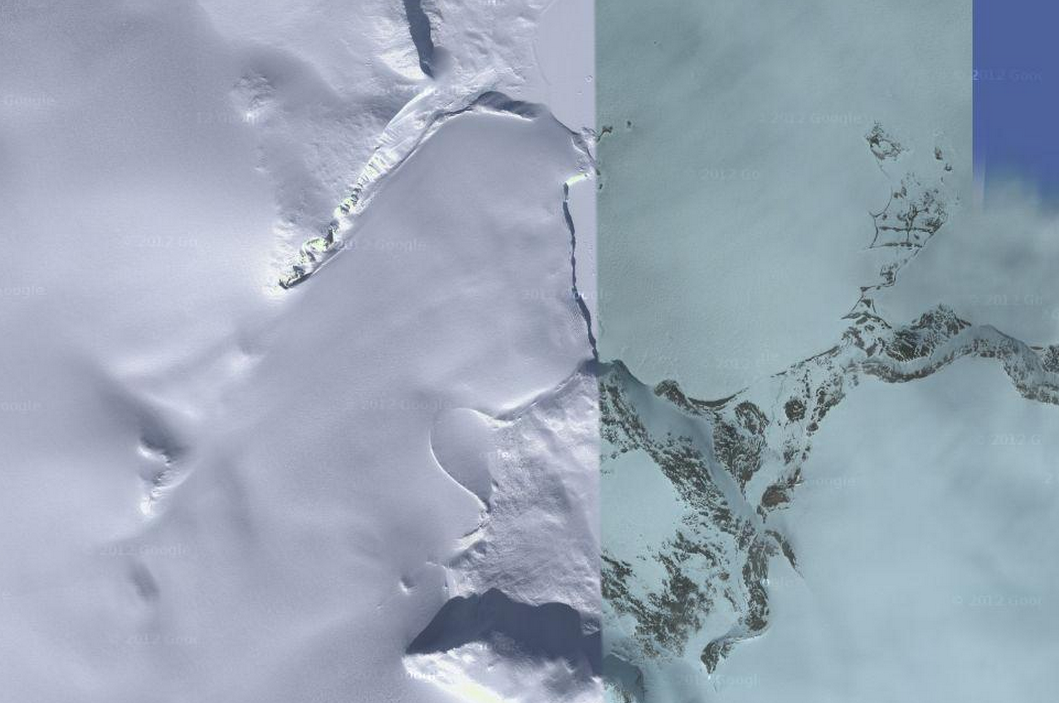
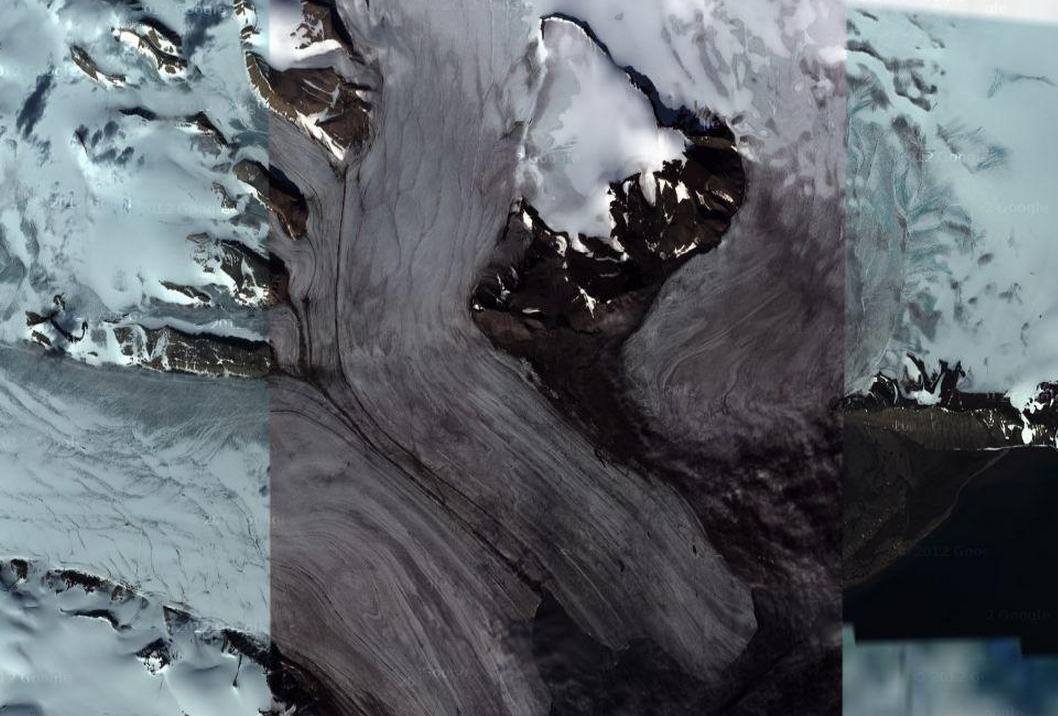
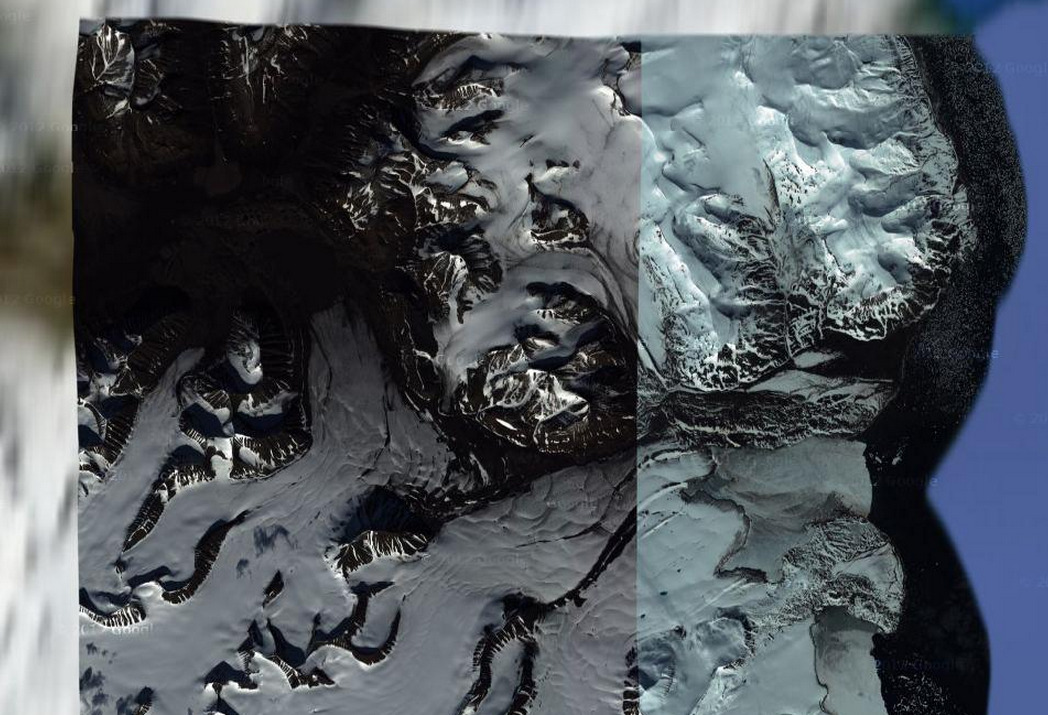
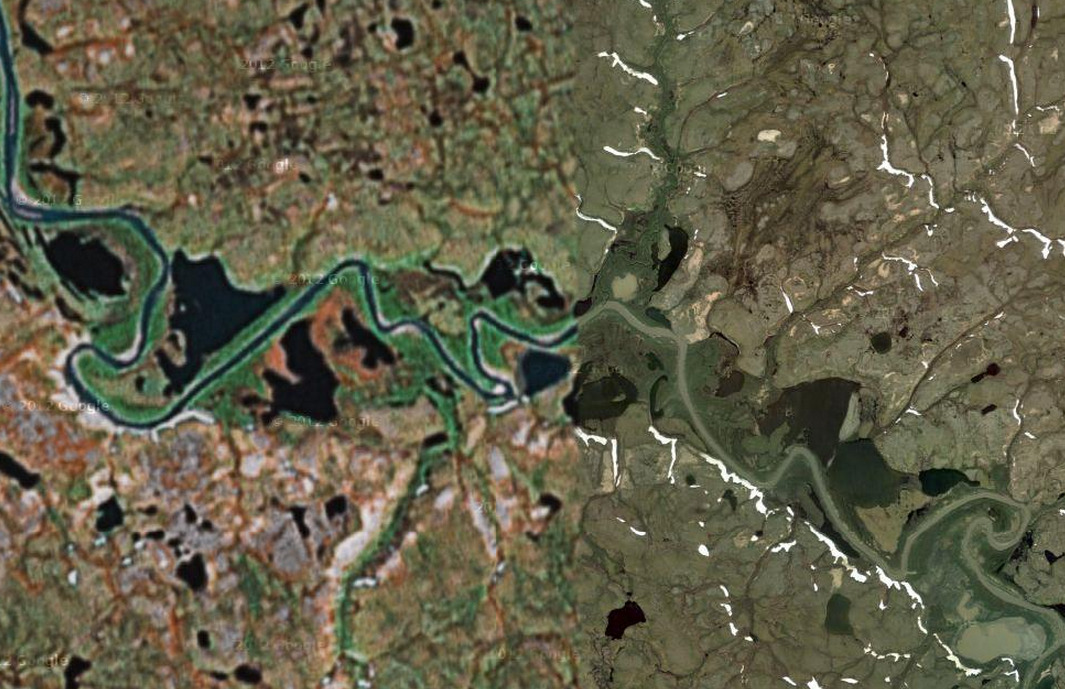
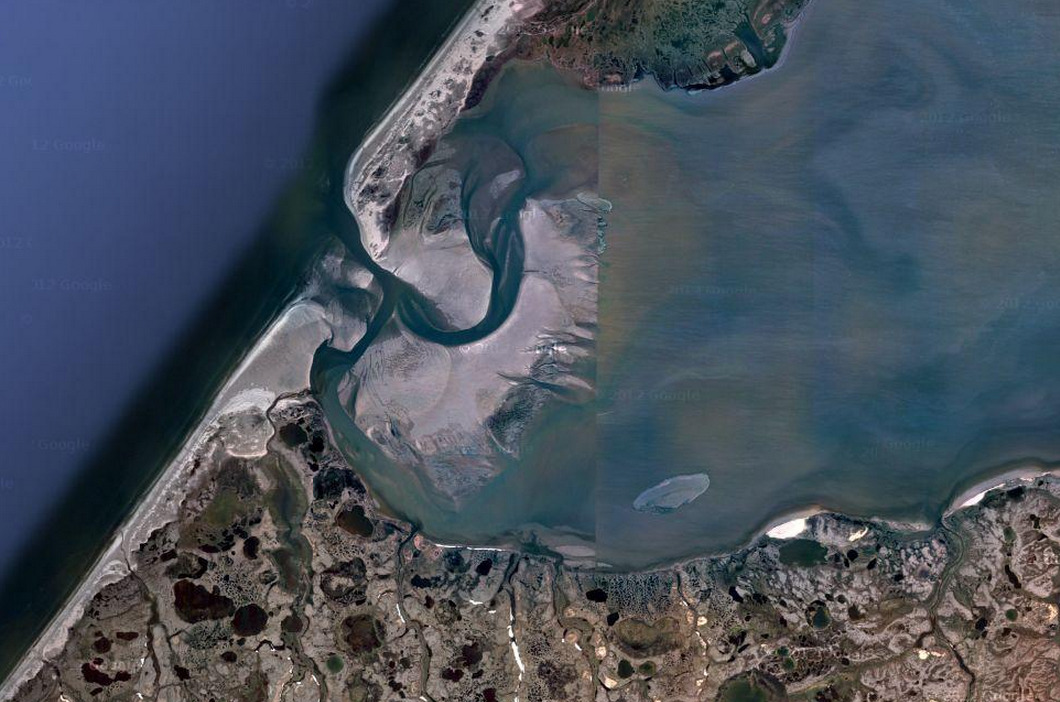
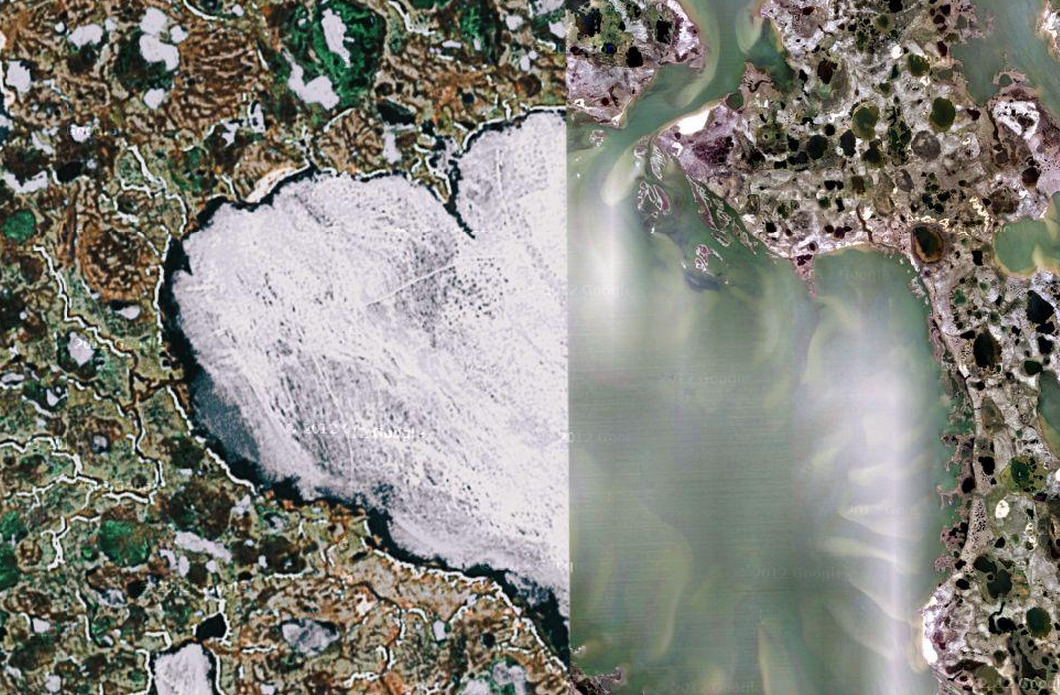
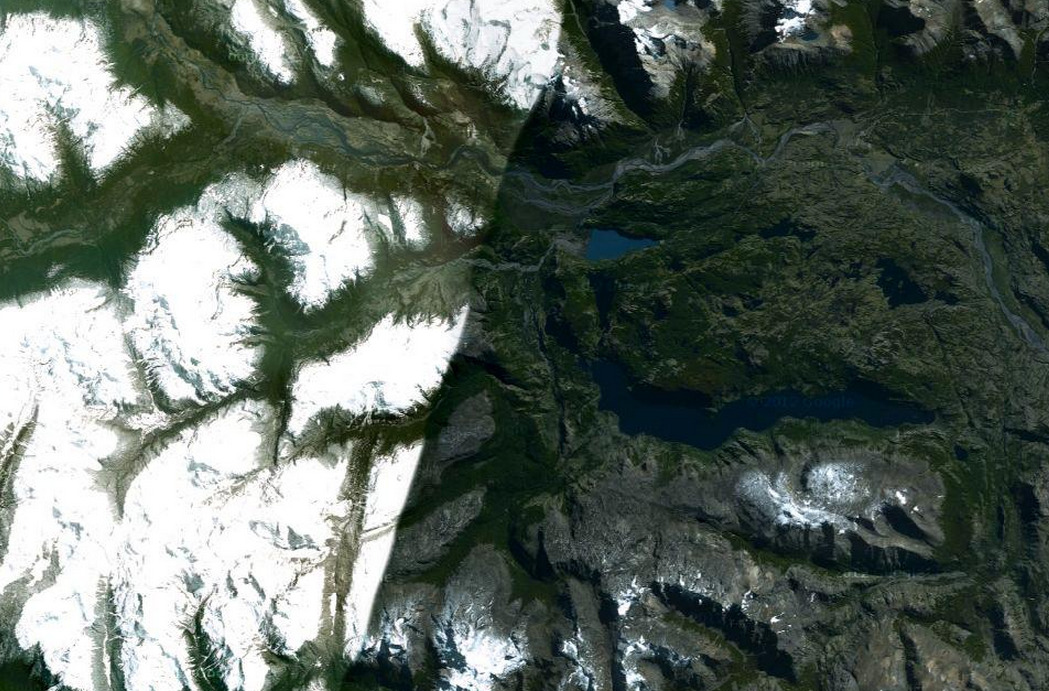
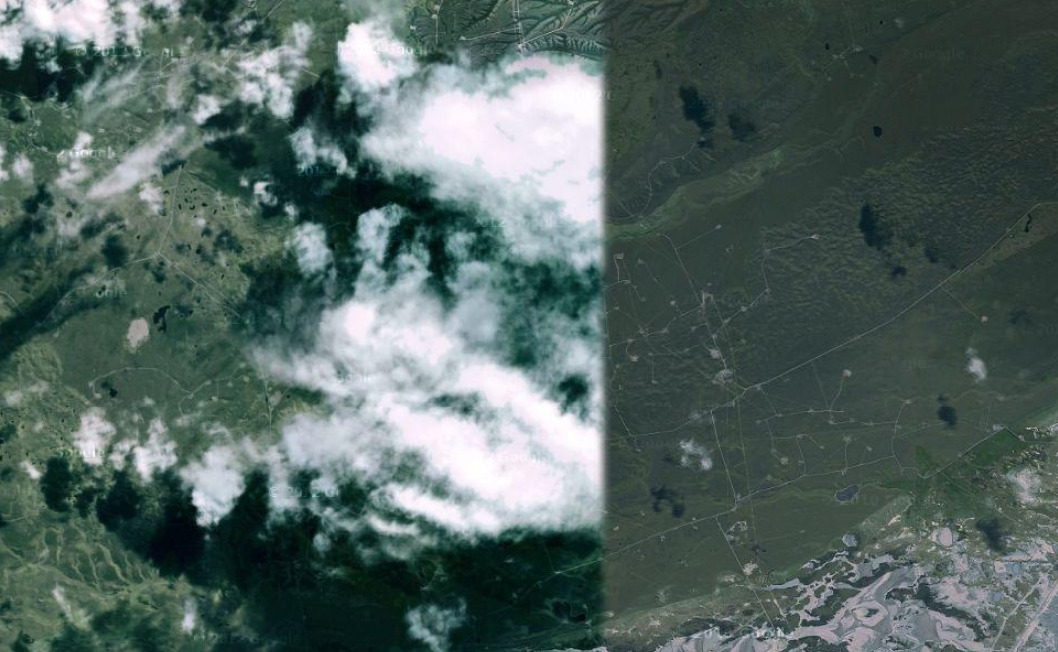
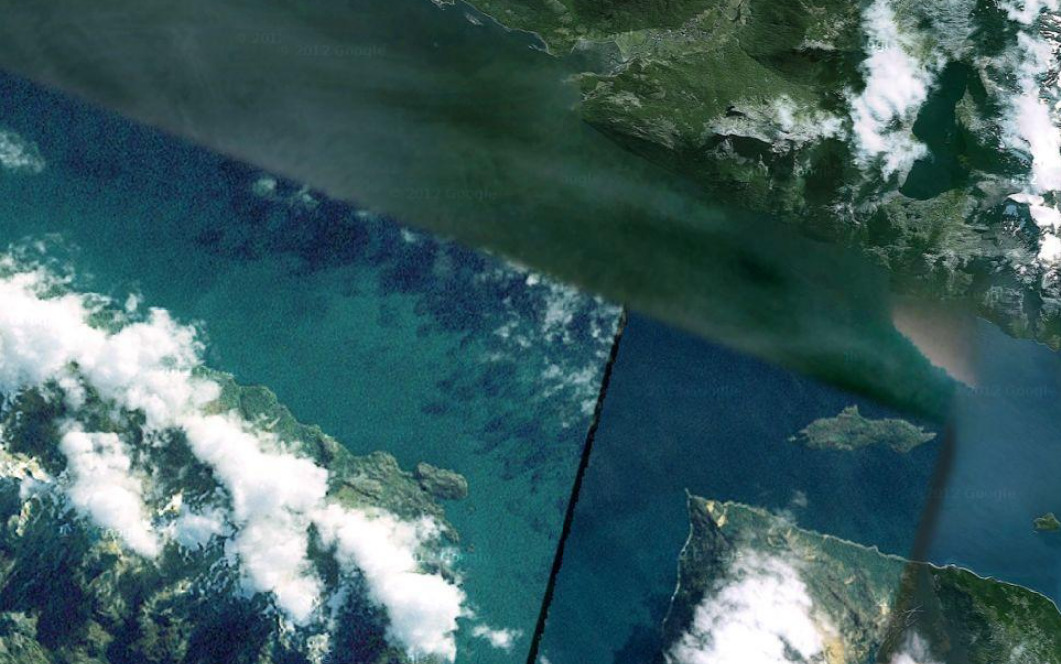
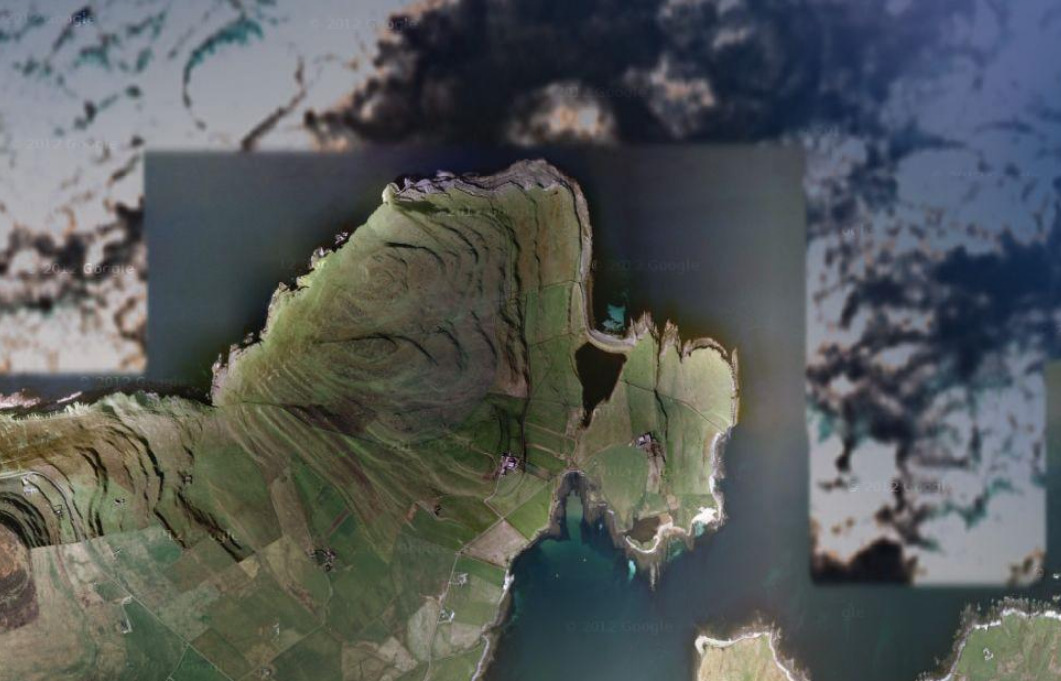
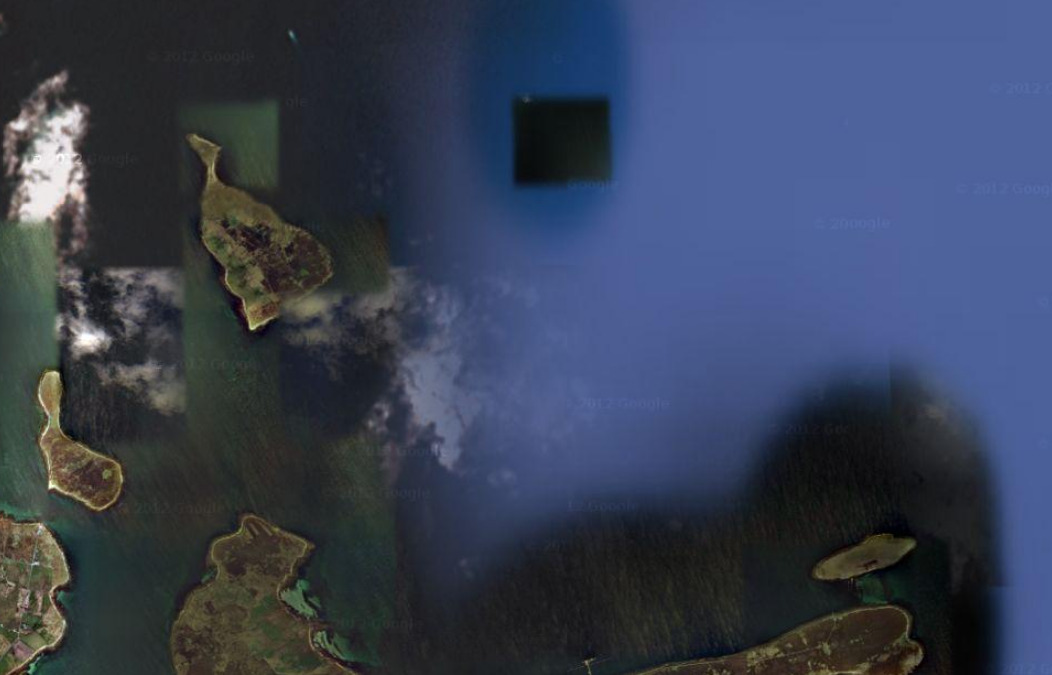
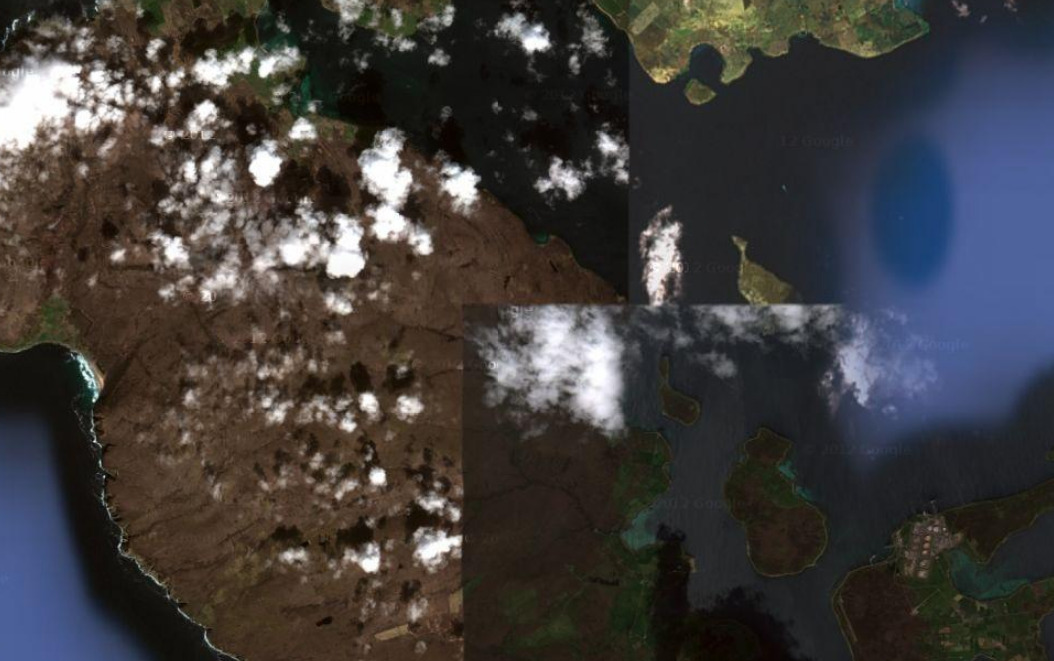
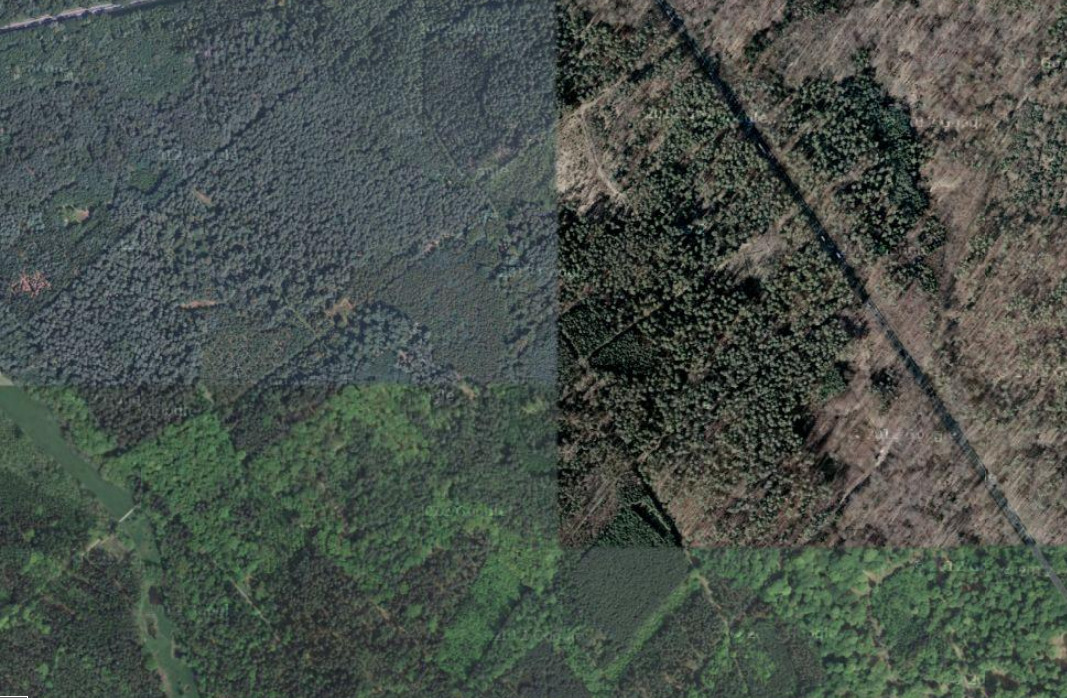
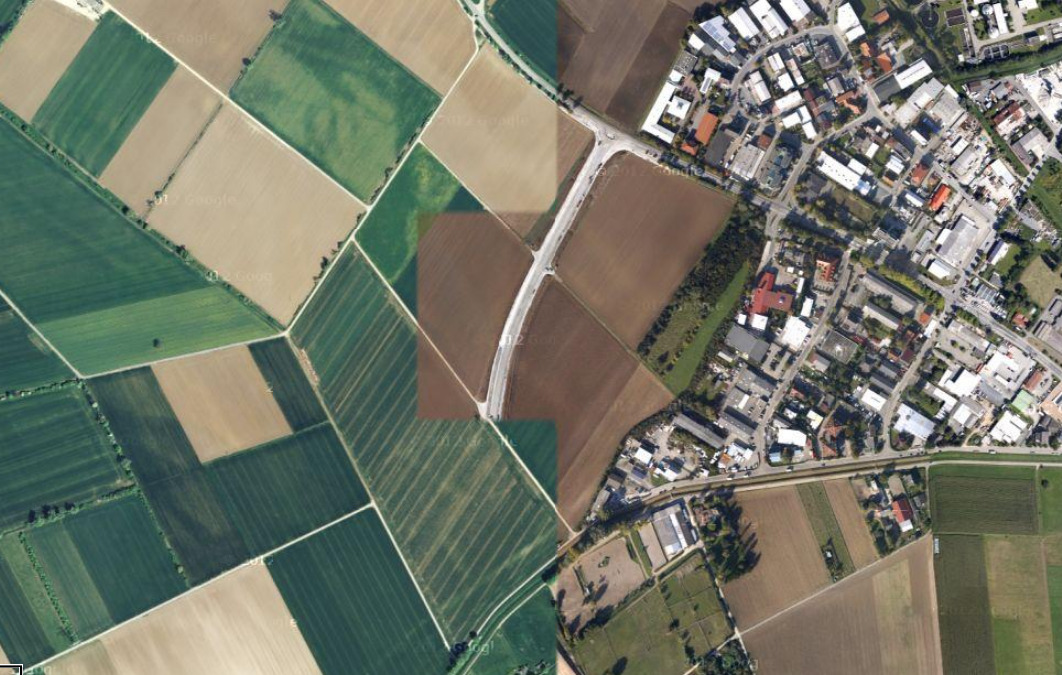
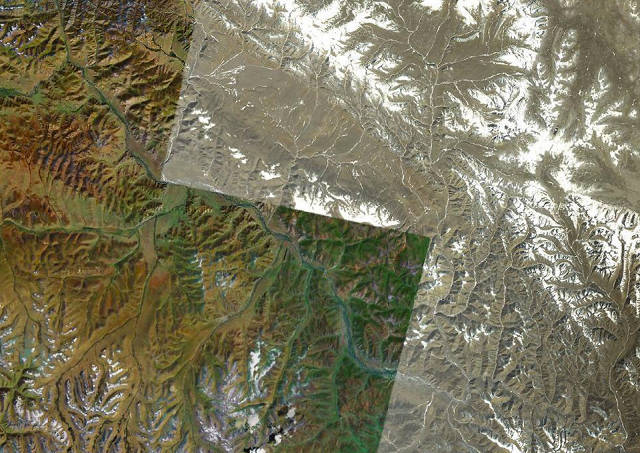
fashion. There would be a composite image of the same landscape, half in
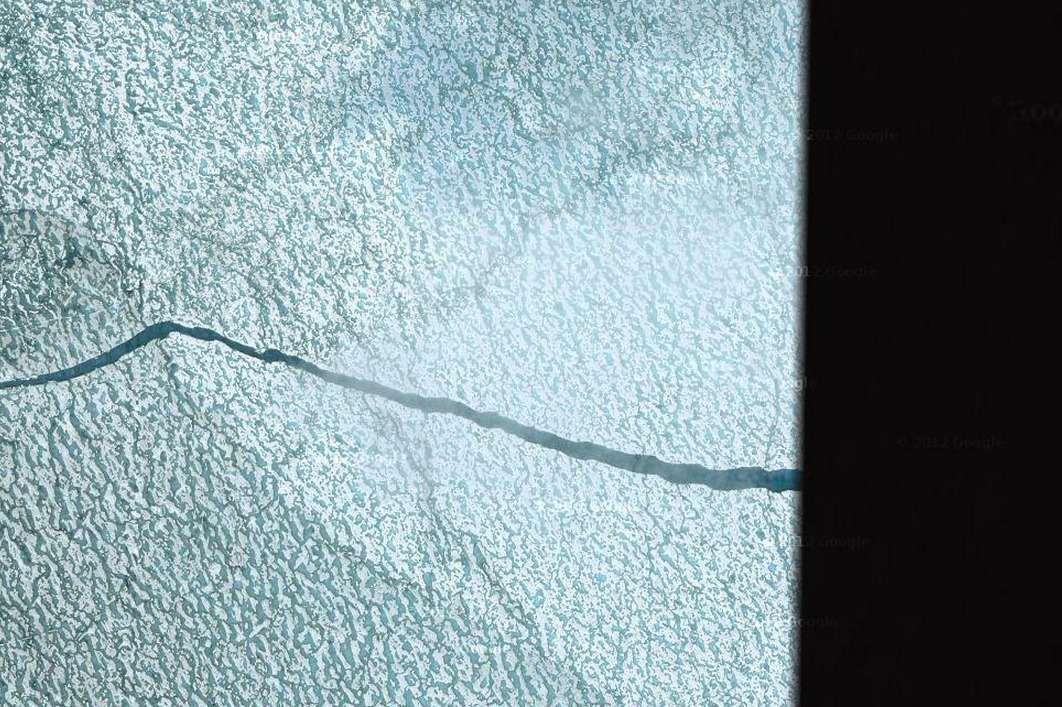
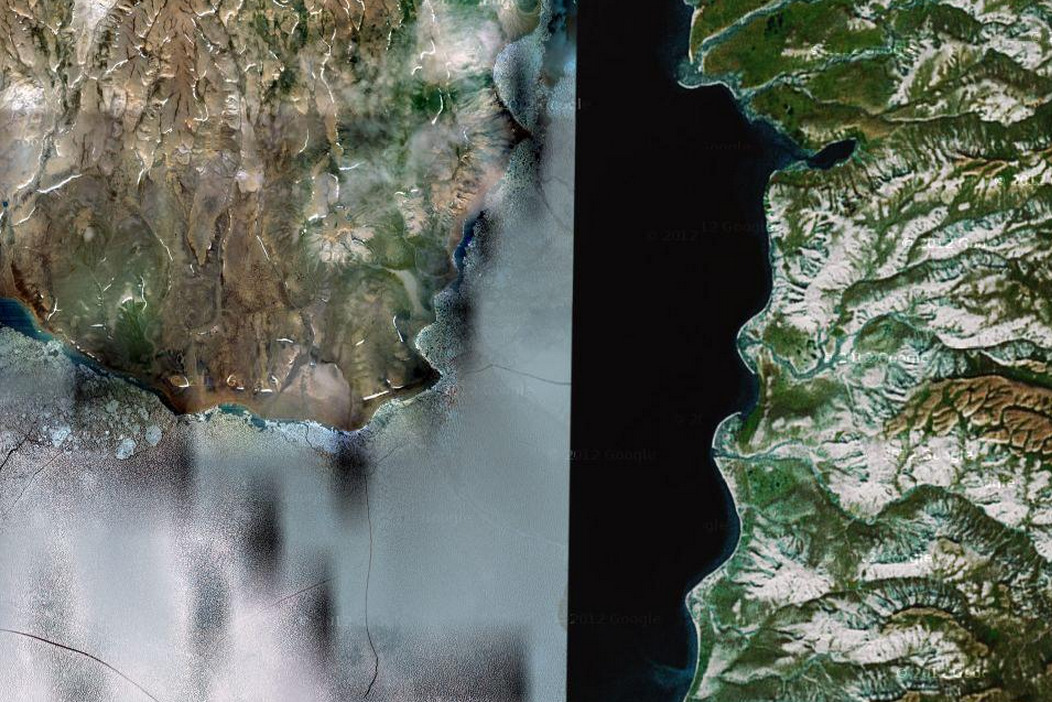
the summer, and half in the winter; resulting in half-frozen rivers,
mountains that were covered by late-December snow and also mid-August
sunshine. Abstract Season Changes is her Tumblr collecting these images. The Co.Exist website recently profiled Ms. Radice, who views the photos as being a commentary on memory:
Sometimes I find Google Maps joints between iced and not
iced sea,” she says, “between a desert and a river that exists only in
winter or doesn’t exist anymore, between perfectly defined fields and an
expanse of muddy water which destroyed them, or maybe just makes them
more fertile.”
…She is more interested in these images as a portrayal of time than
location, and as a comment on what she calls the useless effort of
keeping memories.
Another viewer might see in this digital art a reference to climate
change, to a world where we increasingly live with mixed-up seasons,
with snowstorms in spring and long summers that stretch late into the
year.- thoughtcatalog.com/
The Strange Joints Of Google Maps Show The World’s Changing Seasons
The artist Elena Radice combs the
mapping service to find places where the weather in one satellite photo
and the next don’t match to create a series of photographs about space,
time, and--oh, yes--climate change.
Sometimes when she needs to relax, the Italian artist Elena Radice
travels on Google Earth to places where she knows she’ll probably never
go in real life. Arriving from above, she “visits” far-off mountains
and deserts and forests. She’s been doing this for a few years, during
which time she’s come to intimately know the particular view of the
world offered by Google’s satellite photography.
Radice was never all that interested in studying geography growing
up, but she says she was fascinated with maps as pictures, as
representations of reality. She was particularly drawn to the curious
way that Westerners drew maps distorting the landmass of their own
homes.“When I discovered Google Earth I thought, 'Wow, no more
shape-position-dimension misunderstandings are possible now. It’s the
truth.'” Radice writes in an email from Geneva, where she’s currently
studying. “But, is it the truth?”
A few months ago, she started to notice geometric quirks in her
digital travels, what she calls “joints” in Google Earth that reveal a
kind of “synthesis of space-time gaps” in the system. Google is
constantly updating the images and interface, and sometimes satellite
photos of the same landscape are captured during different times of year
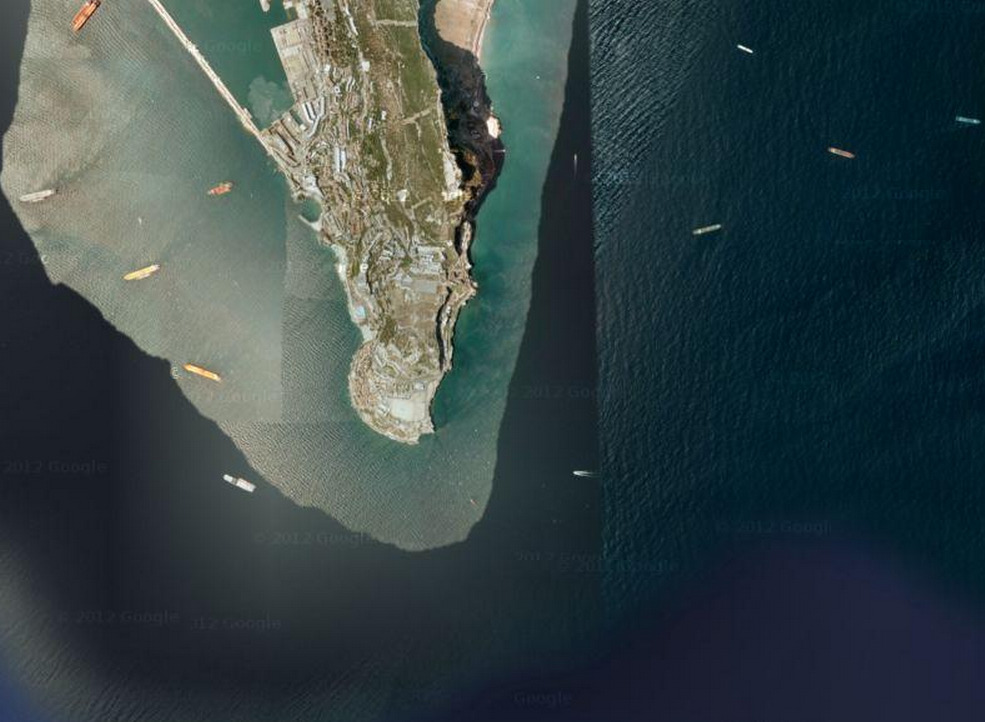
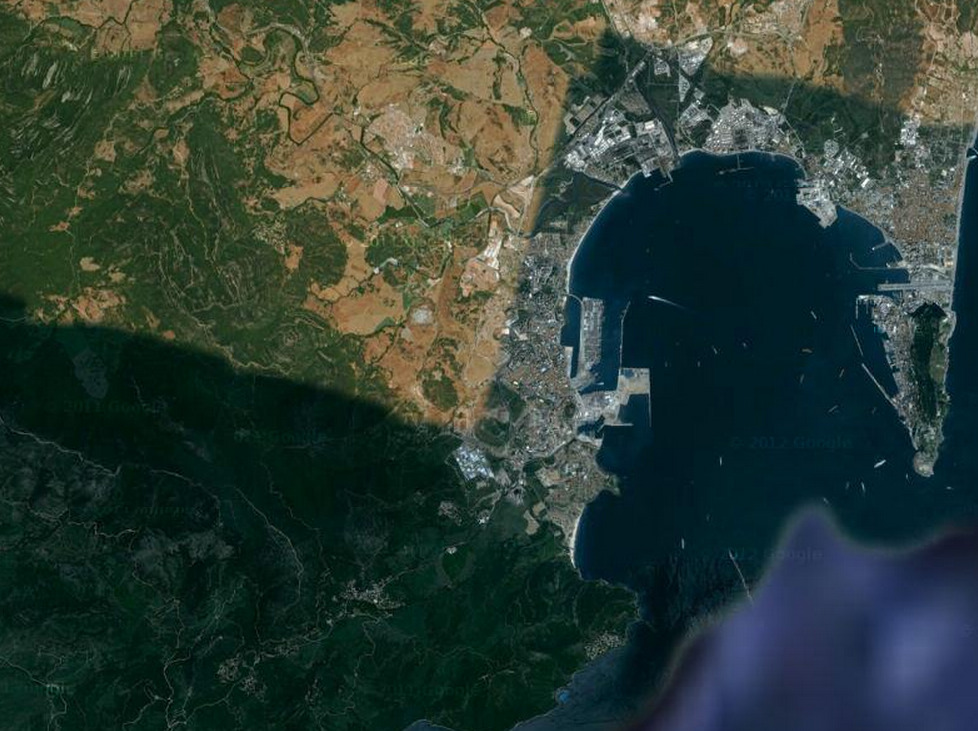
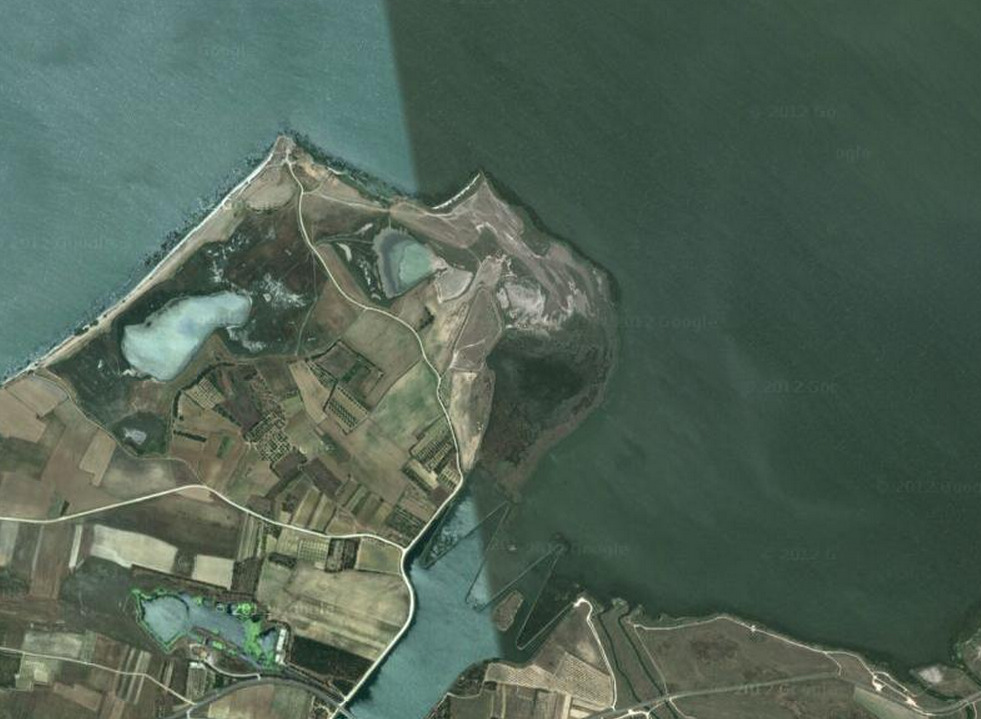
and stitched together. The effect is to view, for instance, a
mountaintop simultaneously in summer and winter, with one slope covered
in snowfall and the other baked by the sun.
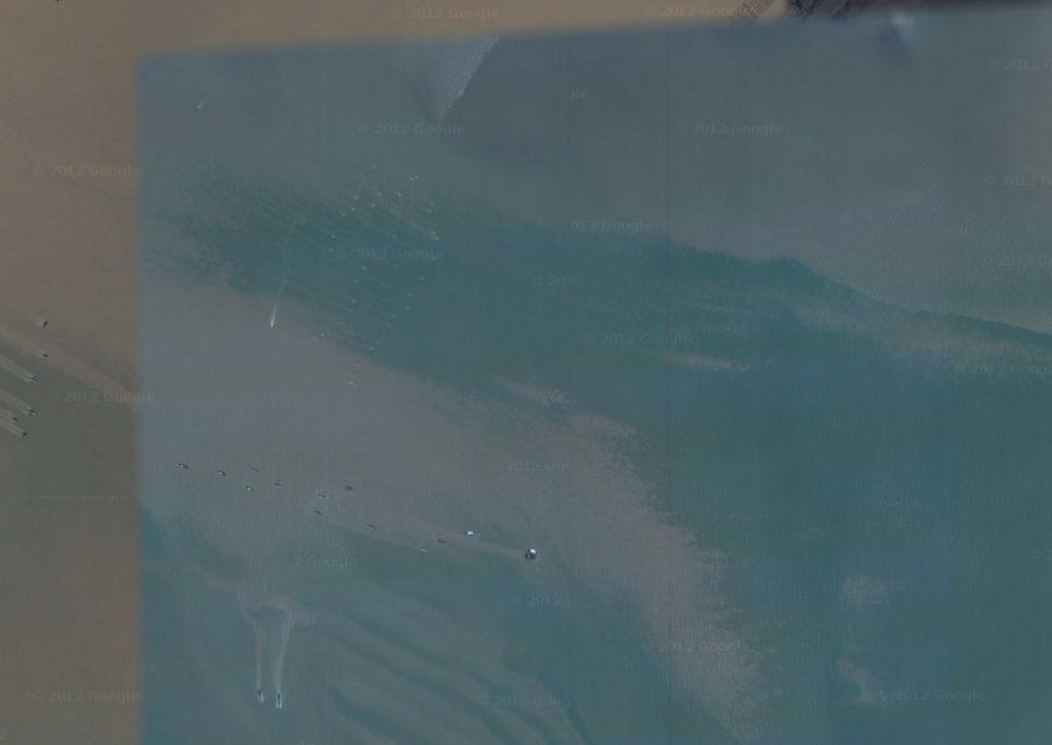
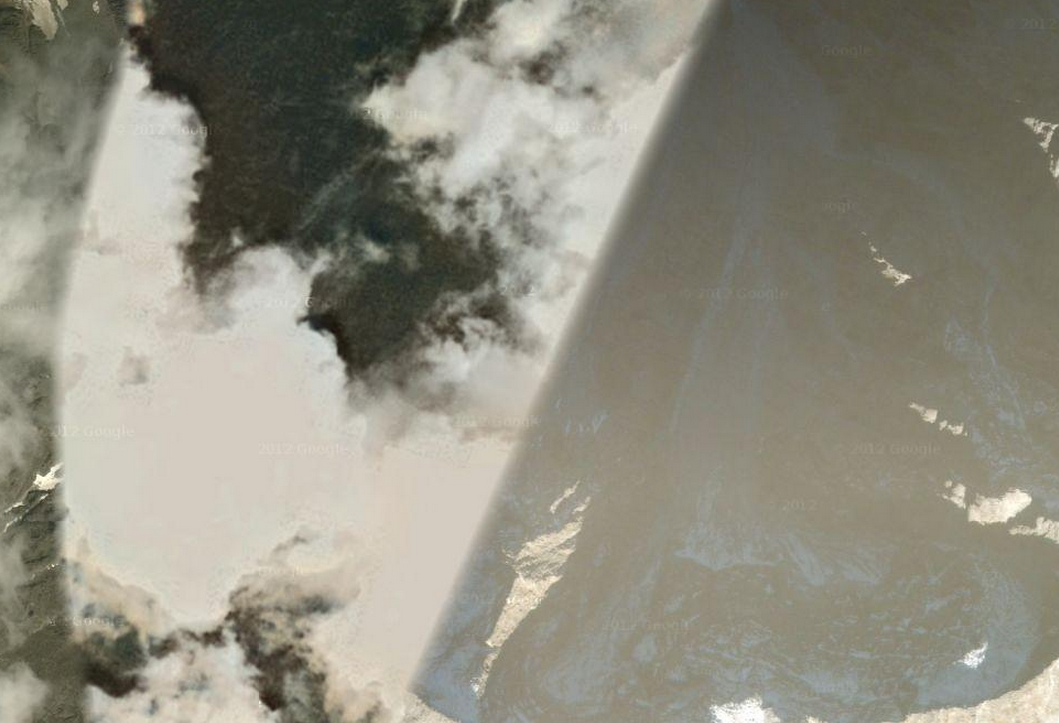
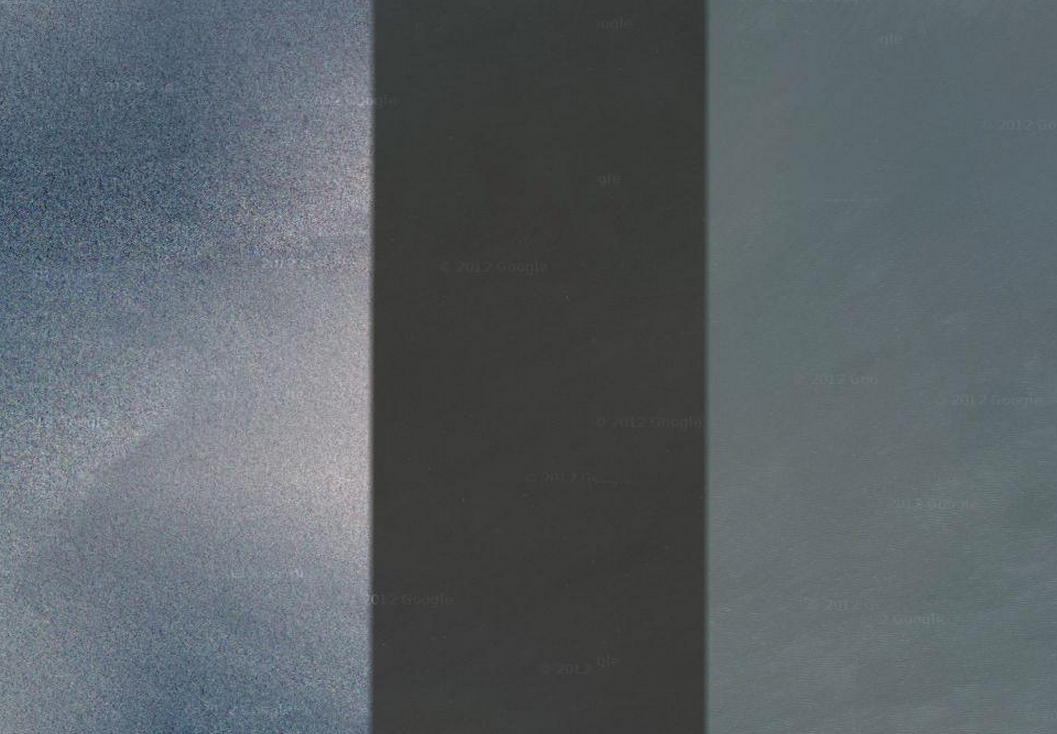
In other images, a mere change in seasonal lighting and cloud cover
creates a stark contrast in a single frame. These images do not, in
fact, offer the absolute “truth” of the world, as Radice sees it;
they’re photographs screened through a moment in time.
She began, casually, to collect screen shots of these joints (not
unlike you might photograph your actual travels in the real world). “We
try to keep memories keeping pictures,” Radice writes, “as I started to
keep memory of those space-time gaps.”
She came to think about the satellite pictures more aesthetically,
framing her screen shots to compose images that look almost like
modernist abstract art. Now she uploads the results to a mesmerizing
Tumblr blog that she calls “Abstract Season Changes.”
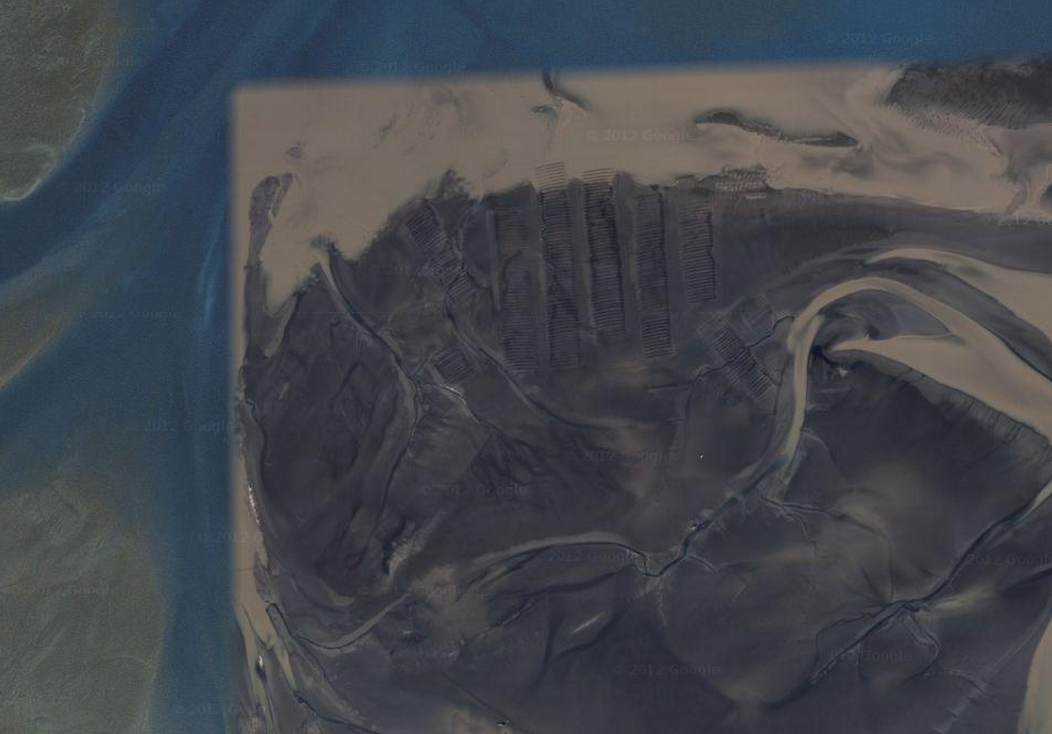
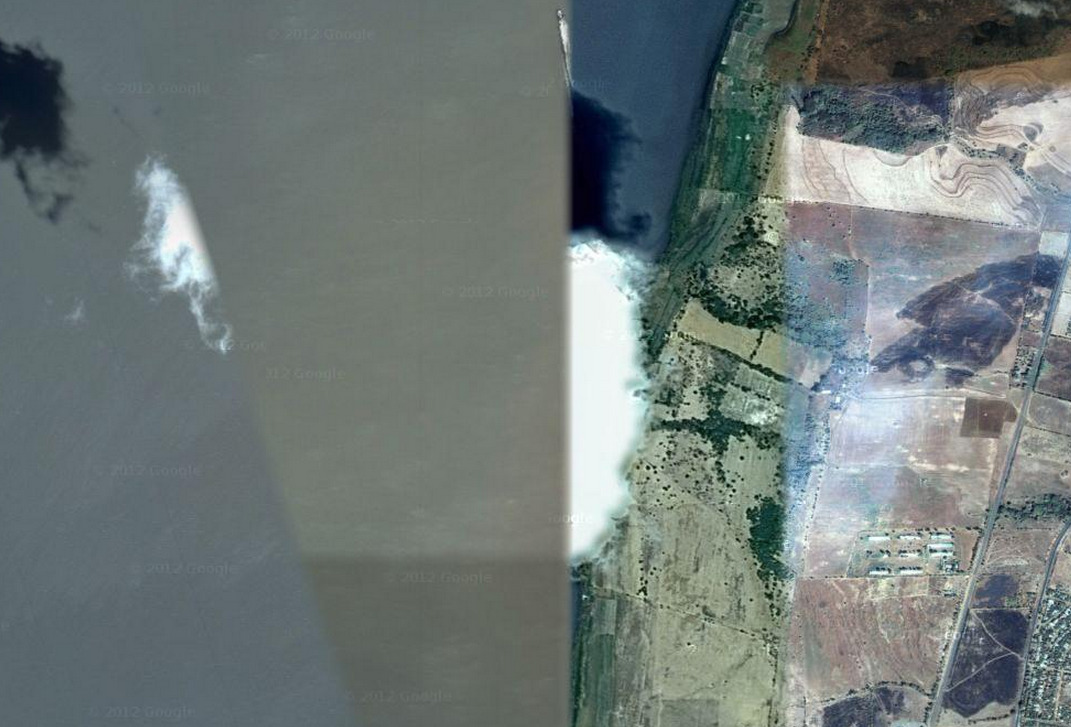
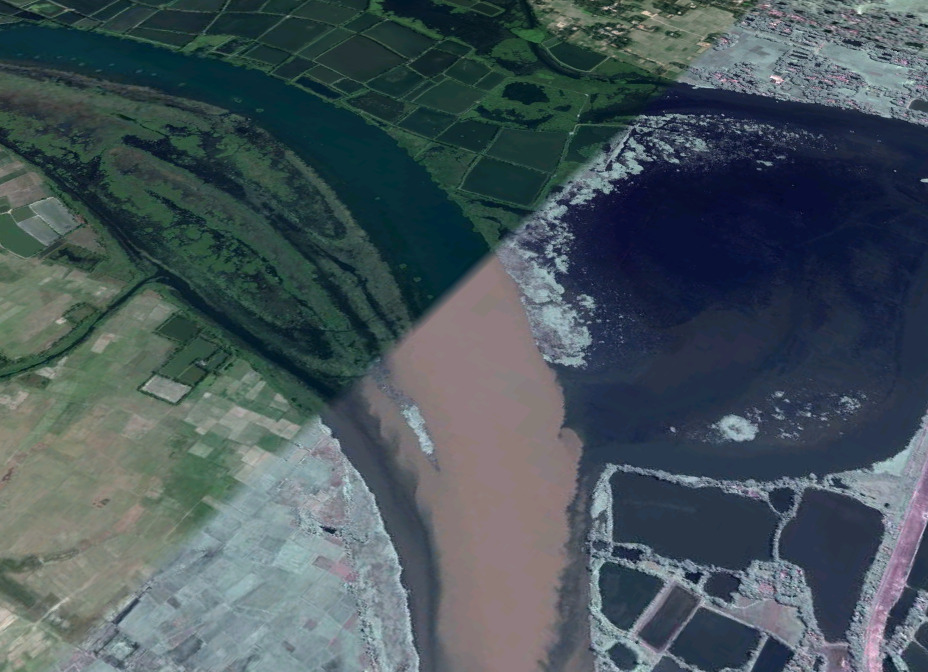
“Sometimes I find Google Maps joints between iced and not iced sea,”
she says, “between a desert and a river that exists only in winter or
doesn’t exist anymore, between perfectly defined fields and an expanse
of muddy water which destroyed them, or maybe just makes them more
fertile.”She doesn’t particularly want you to be able to identify the
geographic locations of the images (and she doesn’t provide that
information on her Tumblr page). She is more interested in these images
as a portrayal of time than location, and as a comment on what she calls
the useless effort of keeping memories.
Another viewer might see in this digital art a reference to climate
change, to a world where we increasingly live with mixed-up seasons,
with snowstorms in spring and long summers that stretch late into the
year.
For Radice, it’s become a collected work of art in progress. She’s
still looking for new images today and thinking about adding another
layer to the project by printing some of them, removing these
representations of the world from the digital realm. Maybe she’ll
collect them into a book, she says, a kind of atlas of space-time gaps. - www.fastcoexist.com/





Nema komentara:
Objavi komentar